


Testing Phase Begins for Autonomous Fleet in Ontario
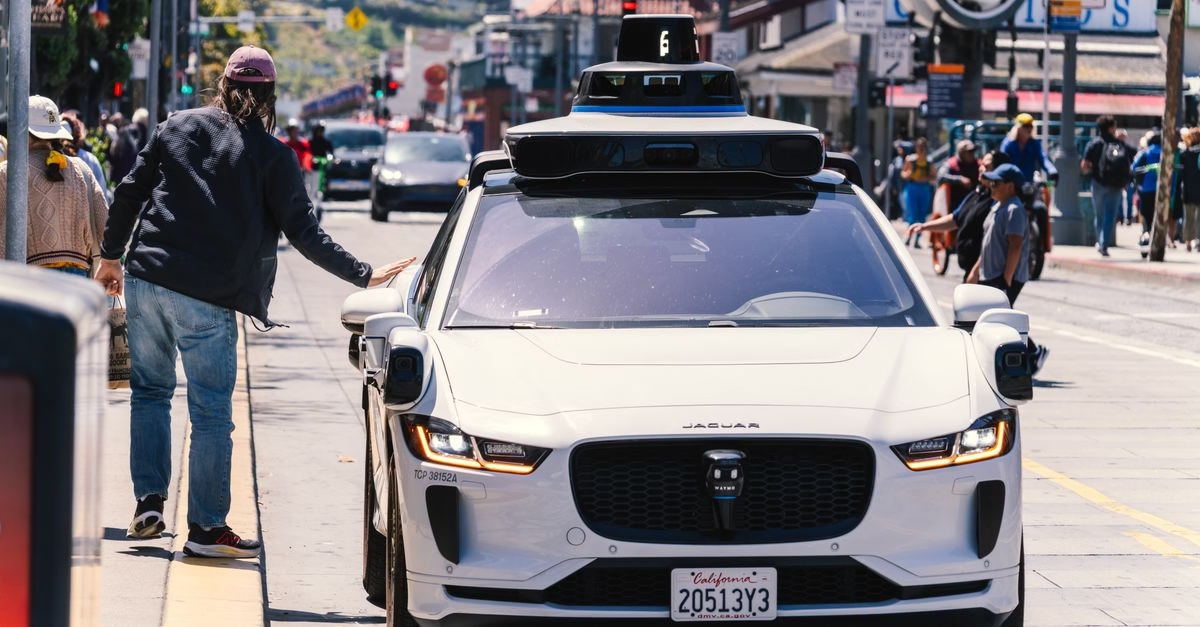
Waymo has officially confirmed that its self-driving taxi service will soon arrive on Toronto streets, initiating a testing phase that precedes a planned 2028 commercial launch. This development follows earlier hints from 2025, when company lobbyists pitched the expansion into the Canadian market. According to reports, the upcoming test runs will focus heavily on mapping local roadways to ensure the system can navigate the city’s complex infrastructure safely.
This announcement validates long-standing speculation about Waymo’s intentions to expand beyond its current US operations. The company is moving from theoretical planning to active data collection, a critical step for any autonomous vehicle operator preparing for public use. While specific dates for the start of these tests have not been detailed, the confirmation signals that the logistical groundwork is already underway. This approach mirrors previous expansions where extensive mapping and safety validation preceded public rollout.
Implications for Urban Mobility and Consumer Access
For Toronto residents, this news represents a potential shift in how urban transportation is accessed and utilized. If successful, Waymo’s entry could offer a new layer of mobility options that do not rely on human drivers, potentially reducing wait times and altering traffic dynamics. However, the 2028 target date suggests that widespread consumer availability is still years away. For now, the focus remains on rigorous testing and regulatory compliance rather than immediate service.
The arrival of such technology also raises questions about integration with existing transit systems and local infrastructure readiness. Consumers should note that while the ambition is clear, the practical experience of riding in a robotaxi is not yet available. The gap between testing and full-scale operation often involves navigating municipal regulations and proving safety standards to authorities. This period is crucial for establishing trust and ensuring that the technology performs reliably in varied weather and traffic conditions typical of Canadian winters.


Roadmap to Commercial Service Remains Unconfirmed
While the confirmation of testing provides clarity on Waymo’s direction, several details regarding the exact scope and timeline remain unknown. It is unclear how many vehicles will be deployed during the initial testing phase or which specific neighborhoods will be prioritized for mapping. Additionally, the regulatory hurdles required to transition from testing to paid passenger service in Ontario have not been fully outlined. Stakeholders are watching closely to see if the 2028 launch date holds firm or if further delays occur due to technical or legal challenges.
For now, the announcement serves as a strong indicator of intent rather than an immediate change in daily commute options. Residents interested in this technology should monitor official announcements for updates on pilot programs and public engagement opportunities.





