


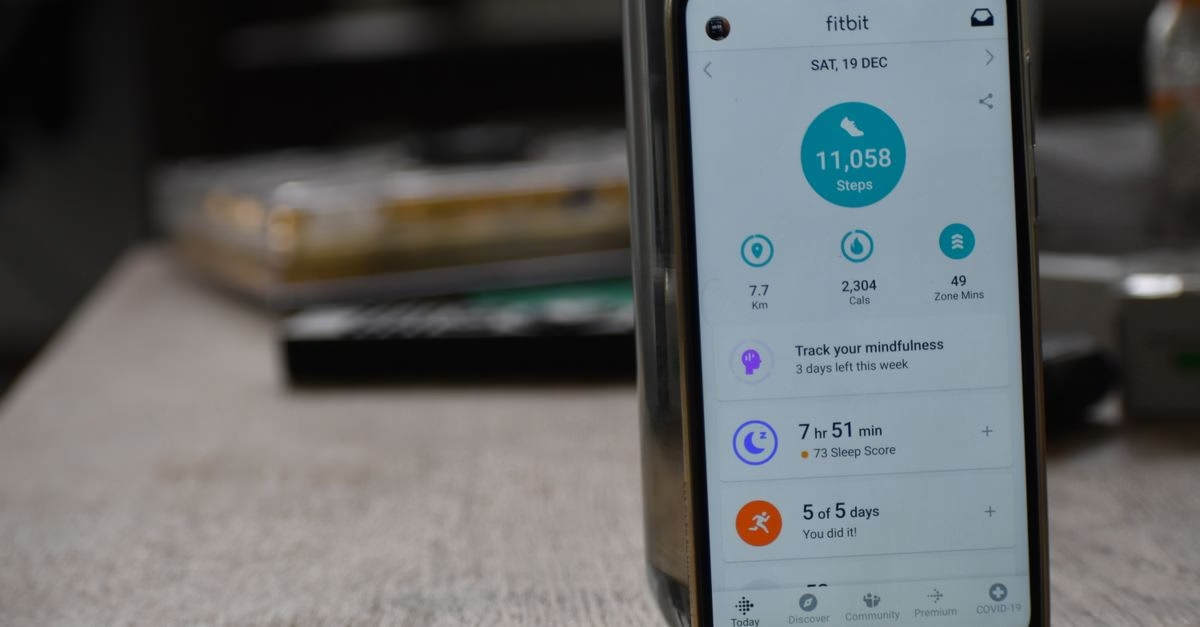
The Fitbit Edge Enters the Mid-Tier Market
Google took the wraps off its newest fitness tracker, the Fitbit Edge, on October 12. This announcement marks a strategic move into the mid-range segment of the wearable market, a space that has historically been dominated by dedicated fitness brands rather than tech giants. The Fitbit Edge is designed to occupy a distinct midpoint between Google’s premium Pixel Watch smartwatch line and the recently released, screenless Fitbit Air.
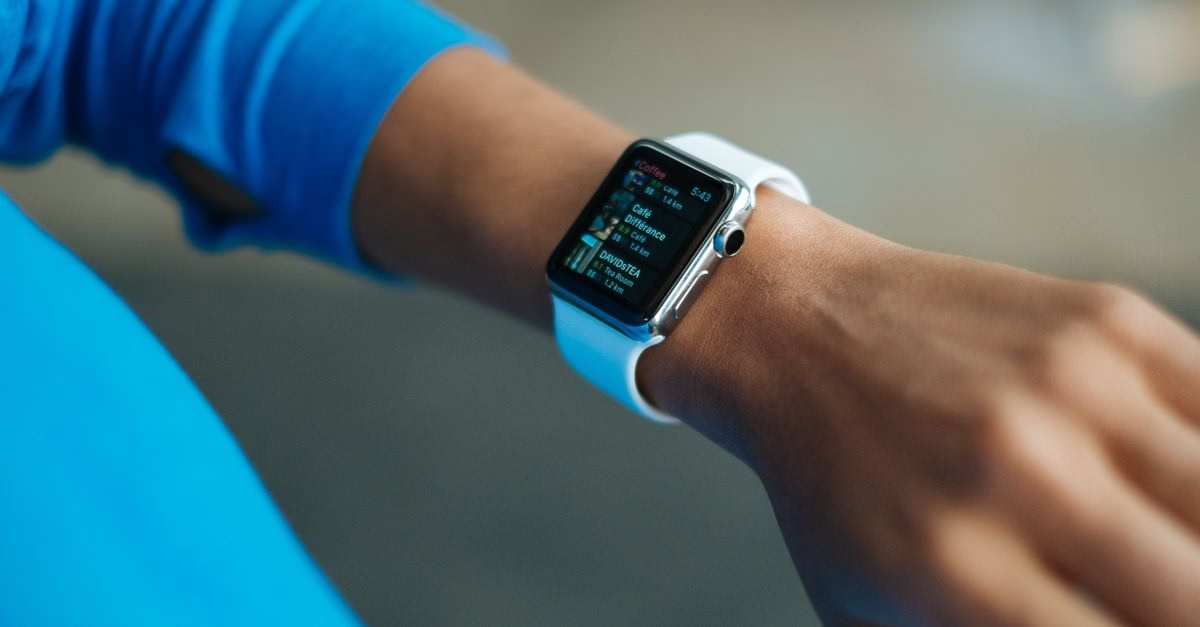
By introducing a device with an always-on AMOLED display, Google is targeting users who want more functionality than a simple band provides but do not require the full smartphone integration of a traditional smartwatch. Initial reports suggest the design bears a strong resemblance to the spiritual successor of Fitbit’s popular Charge line, aiming to retain the brand’s loyal user base while appealing to new buyers seeking a balance of health tracking and daily utility.
While the core concept is clear, the exact Canadian dollar pricing structure was highlighted in recent coverage, signaling that availability is imminent for Canadian consumers.
Navigating the Blurring Lines Between Watches and Trackers
The introduction of the Fitbit Edge highlights a significant shift in how Google structures its wearable ecosystem. For years, the distinction between a ‘tracker’ and a ‘smartwatch’ was defined by screen presence and connectivity. The Edge blurs these lines by offering a high-quality display without necessarily demanding the constant connectivity or battery drain associated with full smartwatches. This matters for Canadian buyers who often look for devices that offer longevity and simplicity.

The device’s positioning suggests Google is attempting to capture the demographic that finds the Pixel Watch too expensive or complex, yet finds basic trackers like the Fitbit Air insufficiently informative. However, the broader context raises questions about product cannibalization. With multiple devices vying for similar use cases, consumers may struggle to determine which tier offers the best value. Furthermore, external leaks indicate varying pricing strategies across regions, such as €179 in the Eurozone and £159 in the UK, which creates uncertainty about whether the Canadian pricing will align with these international benchmarks or reflect local market adjustments.
The strategic importance lies in whether this mid-tier option can sustain growth in a saturated market where consumer attention is fragmented across numerous health and tech apps.
What Remains Unknown About the Rollout
While the announcement clarifies the Fitbit Edge’s position in Google’s lineup, several critical details remain unconfirmed for the Canadian market. The precise launch date and specific retail availability beyond initial online channels are not yet fully detailed in the primary reporting. Additionally, the long-term software support strategy for this new tracker is unclear; given Google’s history of consolidating Fitbit hardware under Android Wear OS, it remains to be seen if the Edge will receive the same update cadence as the Pixel Watch series.
Consumers should also monitor how the device integrates with existing Fitbit Premium services, as the value proposition often hinges on subscription benefits rather than hardware alone. Until these operational details are clarified, the Fitbit Edge stands as a promising but incomplete entry in the mid-tier tracker category. Buyers interested in this device would benefit from waiting for independent reviews that can assess battery life accuracy and sensor precision, as early announcements rarely provide the depth needed for a confident purchasing decision.





