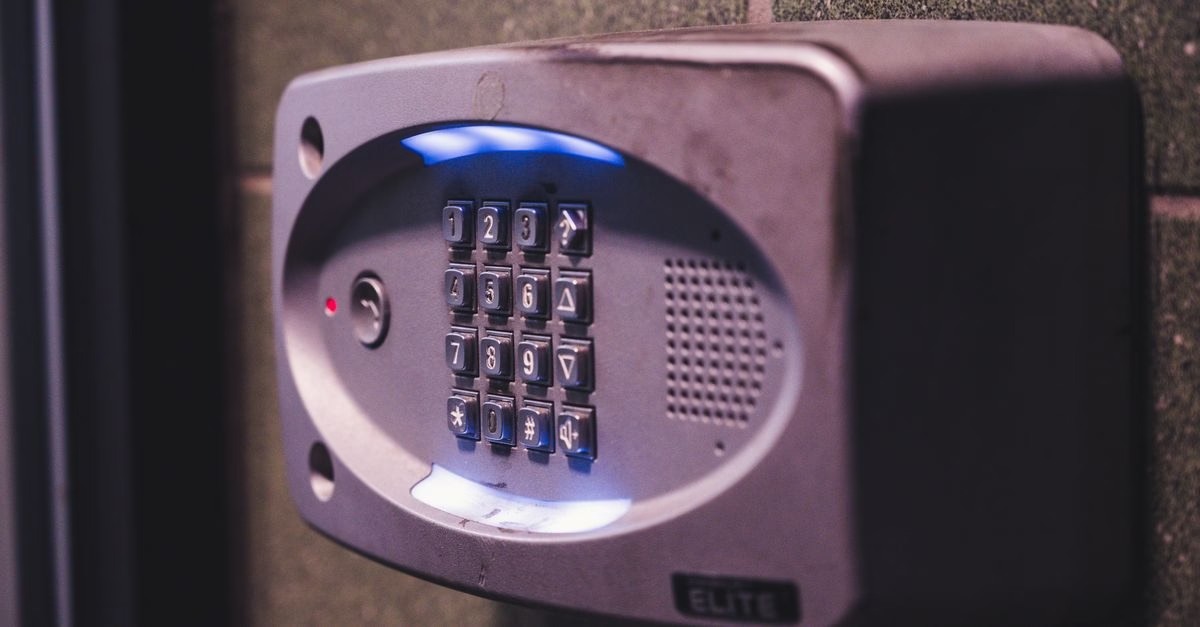
Why Connected Doorbells Are Failing Users
Recent analysis of user experiences reveals that smart home doorbells are plagued by a consistent set of technical failures. The most prevalent issue involves connectivity; devices frequently drop their Wi-Fi connection, rendering them useless during critical moments. This instability is compounded by power concerns, where battery models fail to hold a charge in cold Canadian winters or wired models suffer from inconsistent voltage.
Beyond hardware reliability, the software experience is equally problematic. Users describe a cycle of notification fatigue, where the device triggers alerts for every passing car or leaf, or conversely, fails to detect actual visitors. Video and audio quality often degrade under load, with laggy streams making it difficult to identify who is at the door. These are not isolated incidents but widespread patterns reported across major platforms.
Security Gaps and Data Privacy Risks
The implications of these technical flaws extend beyond mere inconvenience. When a doorbell goes offline, the home loses its first line of visual defense. More critically, the reliance on cloud-based storage introduces significant privacy vulnerabilities. Security experts warn that videos stored on third-party servers may lack robust encryption, leaving footage accessible to unauthorized parties.
For Canadian consumers, this raises questions about data sovereignty and personal safety. If a device is compromised, the risk isn’t just lost footage but potential surveillance of private property. Furthermore, the ‘smart’ features often marketed as conveniences—like package detection—can be unreliable, leading to false sense of security. Buyers must weigh the convenience of remote viewing against the tangible risks of network dependency and data exposure.

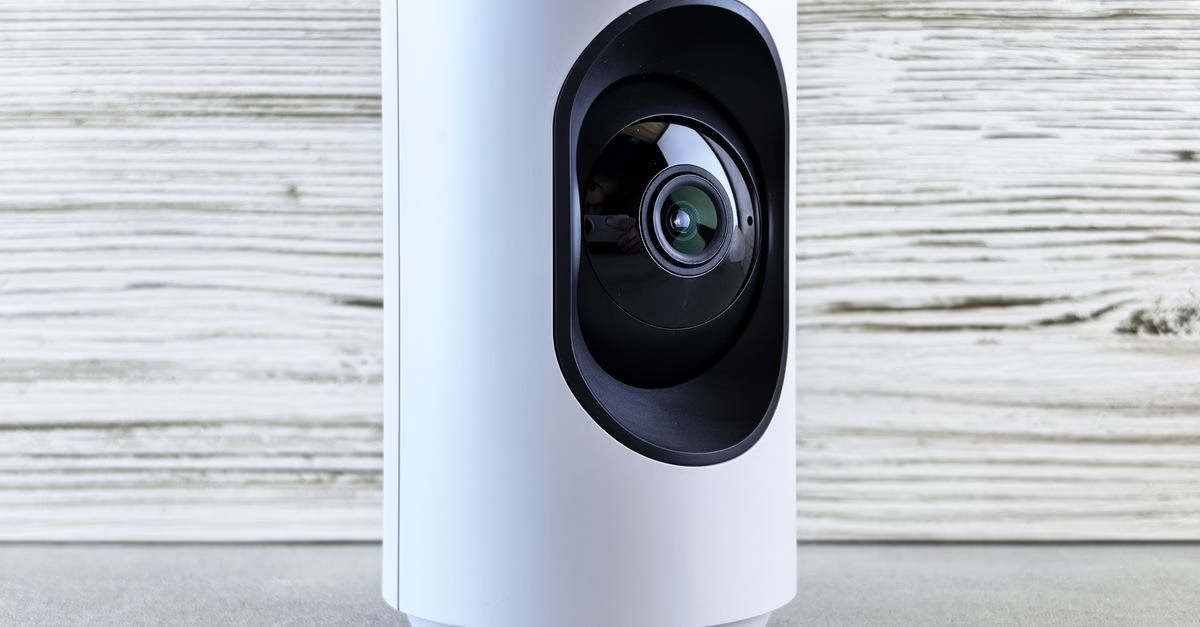
What Remains Unknown for Buyers
While the issues are well-documented, specific mitigation strategies remain unclear for the average consumer. It is unknown whether newer firmware updates have resolved the core connectivity bugs or if they are inherent to the hardware design. Additionally, the long-term durability of battery life in extreme weather conditions lacks comprehensive, independent testing data.
Consumers should approach these devices with caution, recognizing that ‘smart’ does not always mean ‘reliable.’ Until manufacturers provide more transparent data handling policies and more stable local connectivity options, the trade-off between convenience and security remains unresolved. Potential buyers are advised to prioritize devices with strong local storage options and clear privacy terms over those reliant solely on cloud ecosystems.