The Unexpected Data Drain in Fresh Setups
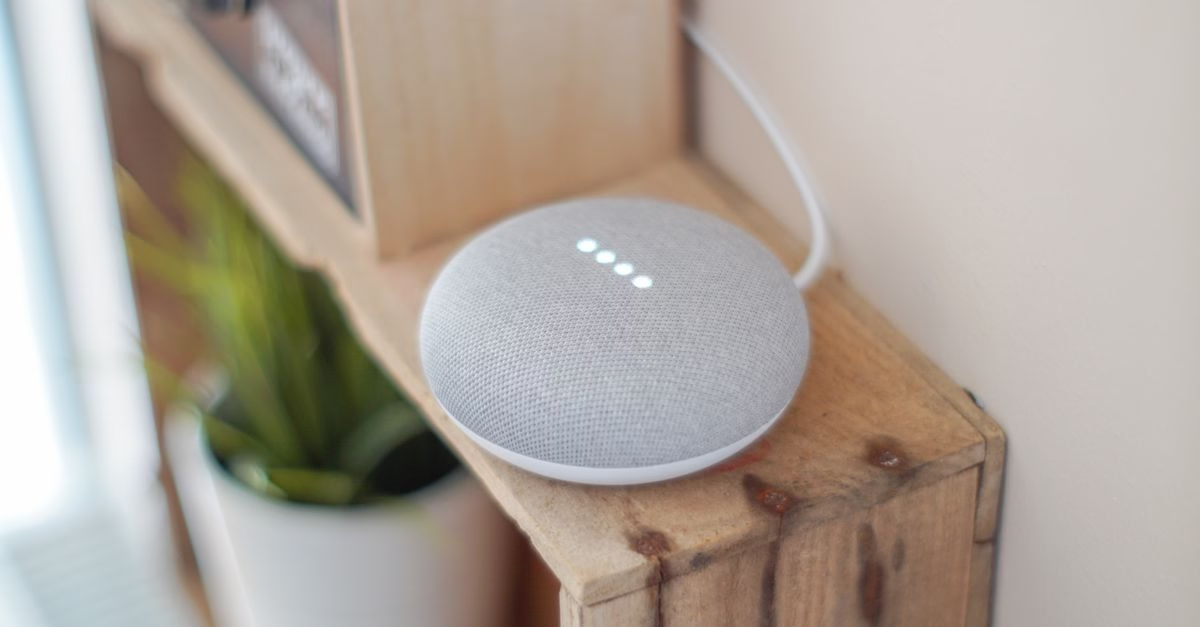
Users who have recently unboxed and set up brand-new Google Home speakers are encountering a surprising and costly technical glitch. According to reports from BGR, these devices are consuming significantly more mobile data than expected during normal operation. This is not a minor fluctuation but a sustained drain that has left early adopters concerned about their monthly bills. The issue manifests after the initial configuration, suggesting that the problem lies within the default software state or background processes that activate once the device connects to a network.
For many, this discovery comes as an unwelcome surprise, especially since the hardware itself functions correctly in terms of voice recognition and basic smart home control. The core of the problem is not a failure of the speaker’s audio capabilities, but rather its aggressive communication with Google’s servers. This behavior turns a standard smart speaker into a data-hungry appliance, which can quickly exceed the limits of shared household Wi-Fi plans or dedicated mobile hotspots.
The timing of these reports indicates that this may be a recent firmware update or a persistent bug in the latest factory-installed software versions. Until Google addresses the root cause, new owners are finding that their convenient assistants come with a hidden price tag attached to their data allowances.
Financial Risks and Connectivity Constraints
The implications of this data overuse extend far beyond simple inconvenience; they strike at the heart of consumer trust and financial predictability. For households relying on capped internet plans, particularly those in rural areas or using mobile broadband for home connectivity, this bug can result in overage charges or throttled speeds. Unlike traditional appliances, smart speakers are often assumed to use negligible amounts of data, making this sudden spike difficult to anticipate without careful monitoring.

This situation highlights a growing tension in the smart home ecosystem: the balance between always-on connectivity features and user-controlled resource management. It also distinguishes this issue from broader concerns about Google’s shift toward Gemini AI. While much of the current tech discourse focuses on the capabilities and privacy implications of large language models, this specific bug is a foundational infrastructure problem. It affects the basic utility of the device regardless of whether advanced AI features are enabled.
Consumers who purchased these speakers for their reliability and ease of use are now facing unexpected expenses. This erodes confidence in the product’s value proposition, especially when the cost of ownership becomes unpredictable. Furthermore, it raises questions about how Google tests and deploys updates for new hardware generations. If a significant portion of new units are affected, it suggests a gap in quality assurance processes that prioritizes feature deployment over stability.
For Canadian users, who may face higher data costs compared to some other markets, this issue carries even greater weight, turning a convenience item into a potential liability.
Unanswered Questions and User Caution
As of now, the full scope of this data leak remains unclear, and Google has yet to release an official patch or detailed explanation. Users are advised to monitor their network traffic closely if they have recently activated a new Google Home device. It is uncertain whether this issue will resolve itself through a routine update or require manual intervention from the user. Some may consider disabling certain background features or limiting the speaker’s access to high-bandwidth services until a fix is confirmed.
The lack of immediate transparency from the manufacturer leaves consumers in a vulnerable position, forced to absorb potential costs while waiting for corporate action. This incident serves as a reminder that smart home devices are complex computers first and appliances second, requiring active management of their digital footprint. Until further evidence emerges, new buyers should approach these devices with caution, verifying their data plans and considering alternative connectivity options if possible.
The resolution of this bug will likely depend on both technical fixes and clearer communication from Google regarding the extent of the impact. For now, the primary takeaway is vigilance: what was sold as a seamless addition to the home has become a source of potential financial strain.