
The Shift Toward Annual Foldable Releases
A recurring pattern in tech launches is becoming increasingly visible within the foldable smartphone sector, with industry observers predicting that 2027 will be a particularly strong year for the category. This optimism stems largely from reports indicating that Samsung intends to debut new foldable phones on an annual basis. For years, the foldable market has been characterized by sporadic updates and incremental improvements, but this reported strategic shift suggests a move toward more consistent innovation cycles.
While specific details regarding the exact models and their specifications remain under wraps, the commitment to yearly releases signals a confidence in both manufacturing maturity and consumer demand. This change in cadence could accelerate the pace at which new technologies, such as more durable hinges and thinner displays, reach the mainstream market. It marks a departure from the cautious, biennial approach seen in previous generations, positioning 2027 as a critical juncture for the industry’s growth trajectory.
Competition Drives Value and Feature Expansion
The implications of this annual release cycle extend beyond just Samsung, as the broader competitive landscape is heating up significantly. Rivals such as Google and Motorola are already pushing the boundaries of what foldable devices can offer, with products like the Pixel 10 Pro Fold and the Moto Razr Ultra (2025) showcasing versatile camera systems and robust durability. These competitors are not merely following suit; they are setting high benchmarks for performance, battery life, and software support that force all manufacturers to raise their standards.
For Canadian consumers, this intensifying rivalry means that the gap between traditional slab phones and foldables is narrowing in terms of reliability and feature parity. However, it also highlights the persistent challenge of premium pricing, with current flagship foldables starting around $1,800 to nearly $2,000 CAD. The pressure to justify these costs through tangible user benefits, such as enhanced AI capabilities or superior multitasking workflows, will define the success of the 2027 lineup.

If manufacturers fail to deliver clear advantages over standard smartphones, the annual release model may struggle to sustain long-term consumer interest despite the technological novelty.
Navigating the Next Wave of Innovation
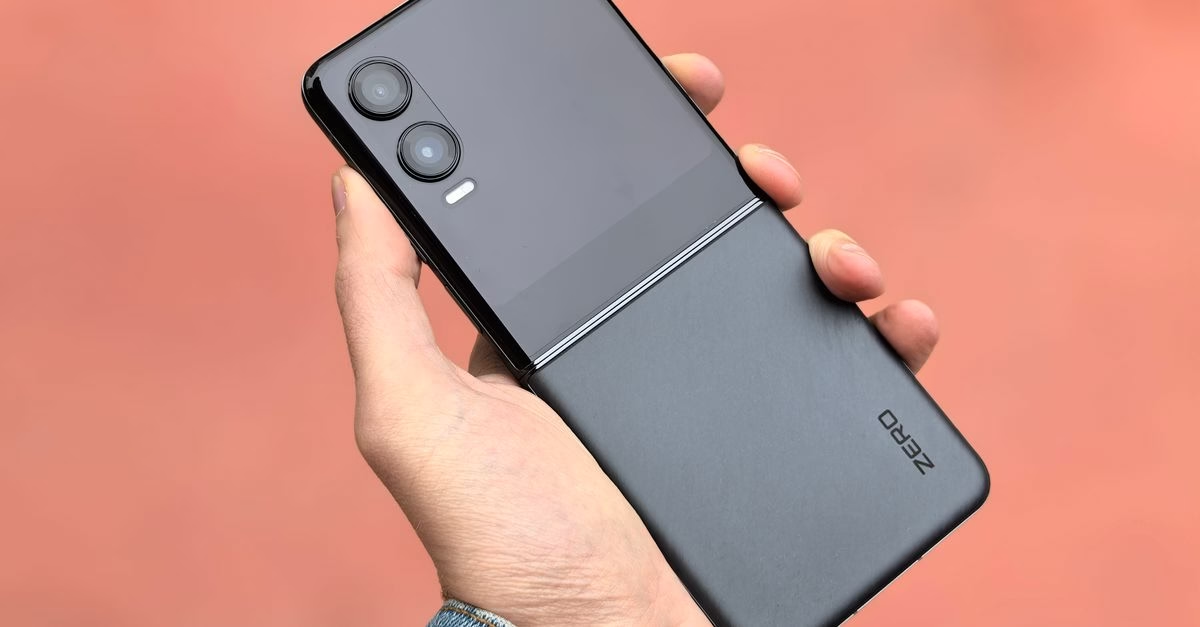
As we look toward 2027, the foldable phone market stands at a crossroads where consistency meets competition. The promise of annual updates from major players like Samsung, combined with aggressive feature sets from Google and Motorola, creates an environment ripe for meaningful advancement. Yet, significant questions remain unanswered, including how long these devices will last under daily use and whether software support will keep pace with hardware turnover.
Consumers should approach these upcoming releases with a focus on practical utility rather than speculative hype. The true test for 2027 will not just be the arrival of new devices, but whether they solve the lingering pain points of creases, fragility, and cost that have historically held back mass adoption. Until then, the pattern suggests a vibrant future, but one that requires careful evaluation of value versus expense.