Key Specifications and Endurance Claims
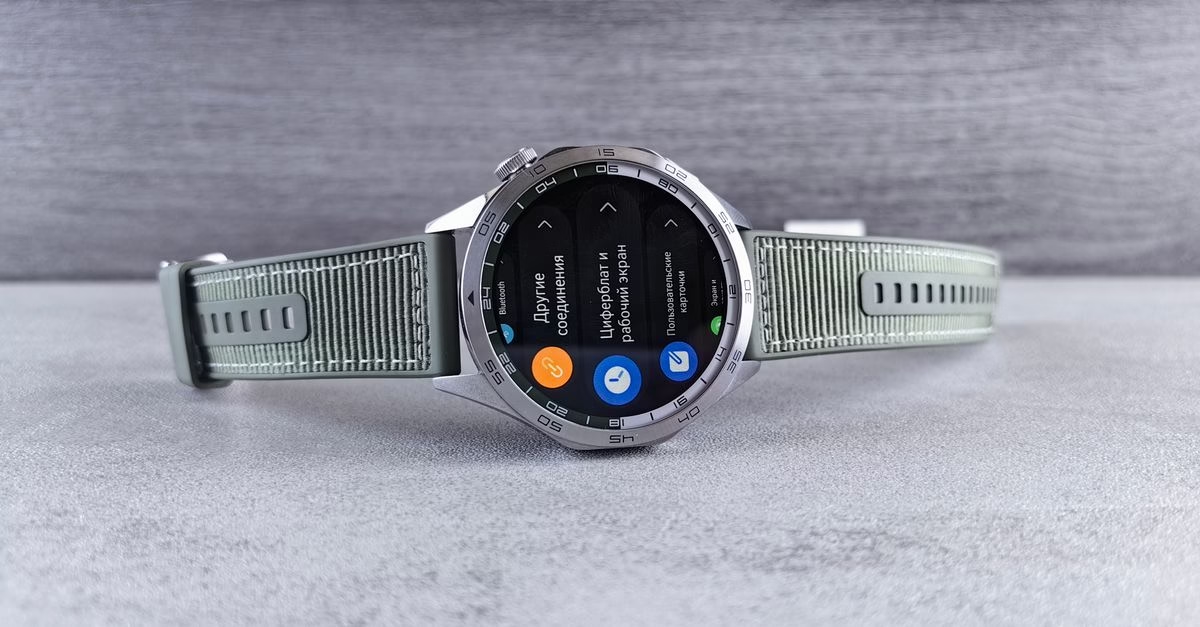
Honor has released the Watch 6, marking what reviewers describe as the company’s most premium smartwatch offering to date. The primary driver behind this release is its exceptional battery performance, with official claims suggesting up to 35 days of usage on a single charge. This endurance level is significant because it approaches the autonomy of traditional analog watches, removing the need for daily charging routines that often frustrate users.
Beyond power management, the hardware specifications are designed to compete in the upper tier of the market. The device sports a 3000-nit AMOLED screen, ensuring readability even under direct sunlight, and integrates dual-band GPS for more accurate location tracking during workouts. These features indicate a shift from basic fitness trackers toward fully-featured wearable computers that prioritize longevity without sacrificing display quality or navigation precision.
Positioning in the Competitive Wearable Market
For consumers evaluating the Honor Watch 6, the value proposition hinges on the trade-off between advanced smart features and maintenance frequency. In a market saturated with devices requiring nightly charging, the Watch 6 addresses a specific pain point: user fatigue regarding power management. By extending battery life significantly, Honor targets users who want health insights and notifications but do not wish to be tethered to a charger.
The inclusion of dual-band GPS and a high-brightness display suggests that Honor is targeting active users who require reliability in varied environments. Reviews highlight that the watch is particularly well-suited for individuals who value comprehensive health monitoring, including sleep tracking, alongside dependable notification delivery. This combination positions the device as a solid option for those seeking a balanced experience rather than one focused solely on niche athletic metrics or luxury aesthetics.

Final Assessment of the Wearable Offering
The Honor Watch 6 represents a strategic move to capture buyers who find current smartwatch battery life insufficient. While it may not offer every cutting-edge sensor found in flagship competitors, its core strengths in endurance and display clarity provide a compelling argument for adoption. The device succeeds by simplifying the ownership experience, allowing users to focus on the data provided rather than the logistics of keeping the device powered.
Ultimately, the Watch 6 serves as a practical choice for those prioritizing consistency and visual clarity over hyper-specialized features. As the wearable market continues to evolve, devices that reduce friction in daily use are likely to gain traction among mainstream consumers who desire smart functionality without the associated upkeep burdens.