The Edge Enters the Wearable Lineup
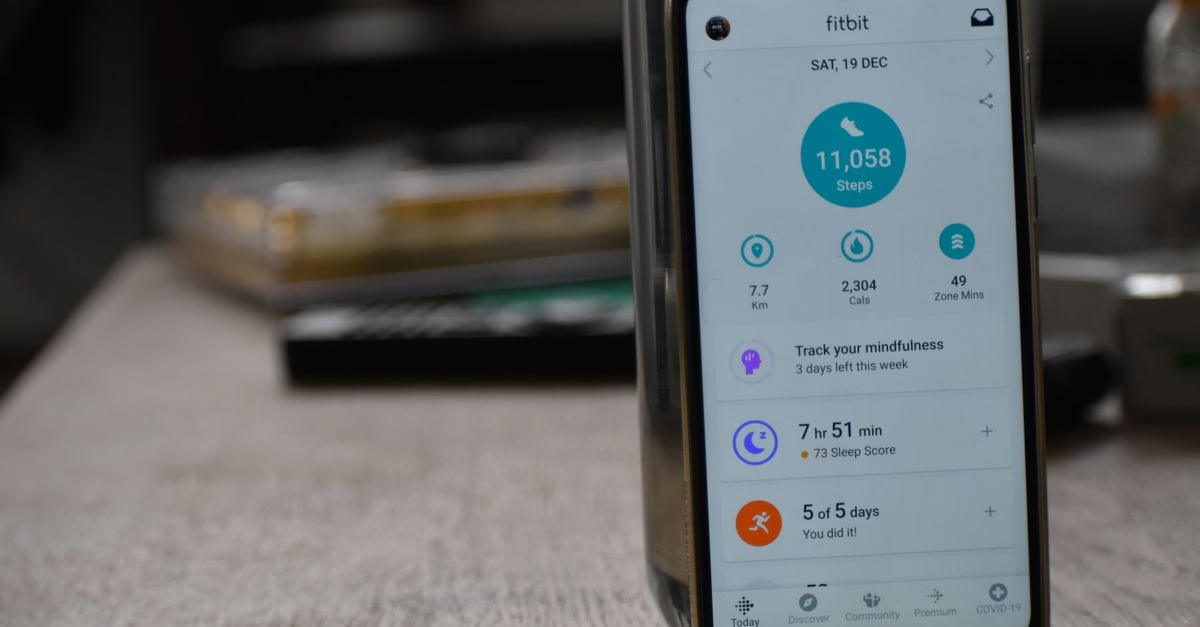
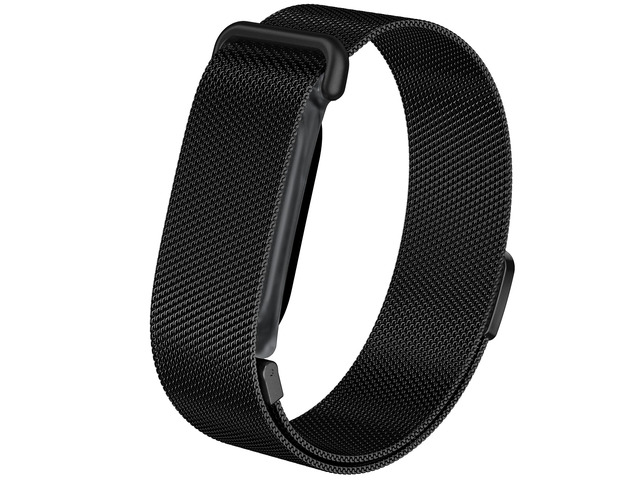
Google has officially introduced the Fitbit Edge, a new fitness tracker that attempts to carve out a specific niche in an increasingly crowded wearable market. Unveiled earlier this month, the device is described by early reviewers as a spiritual successor to Fitbit’s popular Charge line. It occupies a distinct middle ground within Google’s hardware ecosystem, positioned squarely between the feature-rich Pixel Watch smartwatches and the minimalist, screenless Fitbit Air.
The primary differentiator for the Edge appears to be its price point and form factor. Retailing at $229, it offers a more appealing entry cost than many flagship smartwatches while providing more functionality than basic activity bands. However, this positioning has led to mixed initial reactions, with some critics noting that the device suffers from “middle child energy,” struggling to stand out against its more established siblings.
Defining Value in a Saturated Market
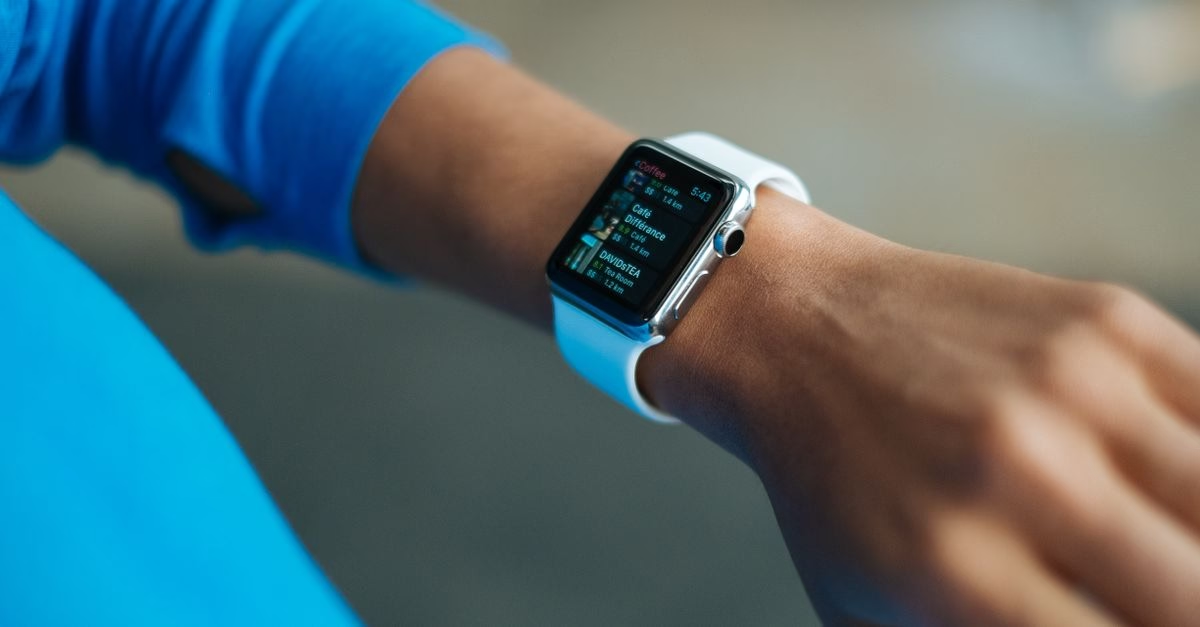
For consumers, the Fitbit Edge represents a potential sweet spot for those who want health tracking without the distraction or battery drain of a full smartwatch. The $229 price tag suggests Google is targeting users who find the Pixel Watch too expensive or complex, yet consider the Fitbit Air too limited due to its lack of a screen. This segment includes fitness enthusiasts who prioritize data visibility over app ecosystems or notification management.
However, the challenge lies in differentiation. If the Edge does not offer significantly better sensors, battery life, or software features than the cheaper Air or the more capable Pixel Watch, it risks becoming redundant. Early coverage hints at this tension, suggesting that while the hardware is competent, its place in the lineup feels somewhat ambiguous. For Canadian buyers, this means waiting for clearer evidence of long-term value before committing, especially if existing devices already meet their needs.


A Competent Compromise, But Is It Enough?
The Fitbit Edge is a logical expansion of Google’s wearable portfolio, aiming to serve users who feel underserved by the extremes of the current lineup. Its success will depend on whether the $229 price point delivers enough tangible benefits—such as improved accuracy, comfort, or battery longevity—to justify choosing it over the alternatives. Currently, the narrative surrounding the device is one of cautious optimism mixed with skepticism about its unique identity.
As more hands-on reviews emerge, the true utility of the Edge will become clearer. For now, it stands as a promising but potentially precarious addition to the market. Consumers should monitor real-world performance metrics and user feedback before deciding if this middle-ground tracker offers the right balance of features and cost for their lifestyle.