
The Price Gap Between Eras
A recent discussion on BGR highlights a striking contrast in consumer electronics history: buying an AMD GPU in 2006 was “wildly cheaper” than doing so in 2026. The article posits that while nostalgia might color our memories of the mid-2000s, the raw cost of entry for high-performance graphics hardware has shifted dramatically.
The core assertion is that the financial barrier to owning top-tier AMD graphics technology was substantially lower two decades ago. In 2006, a user could acquire a powerful card without the extreme monetary strain associated with current market conditions. This observation challenges the common sentiment that older tech was simply “worse,” suggesting instead that it was also far more accessible from a pure dollar-performance perspective.
Economic Reality vs. Rose-Tinted Glasses
For Canadian consumers and global buyers alike, this comparison underscores a fundamental change in the value proposition of PC gaming and creative workstations. The statement that 2006 costs didn’t equate to “first, last, and a security deposit” implies that modern flagship GPUs have become luxury items rather than standard components.
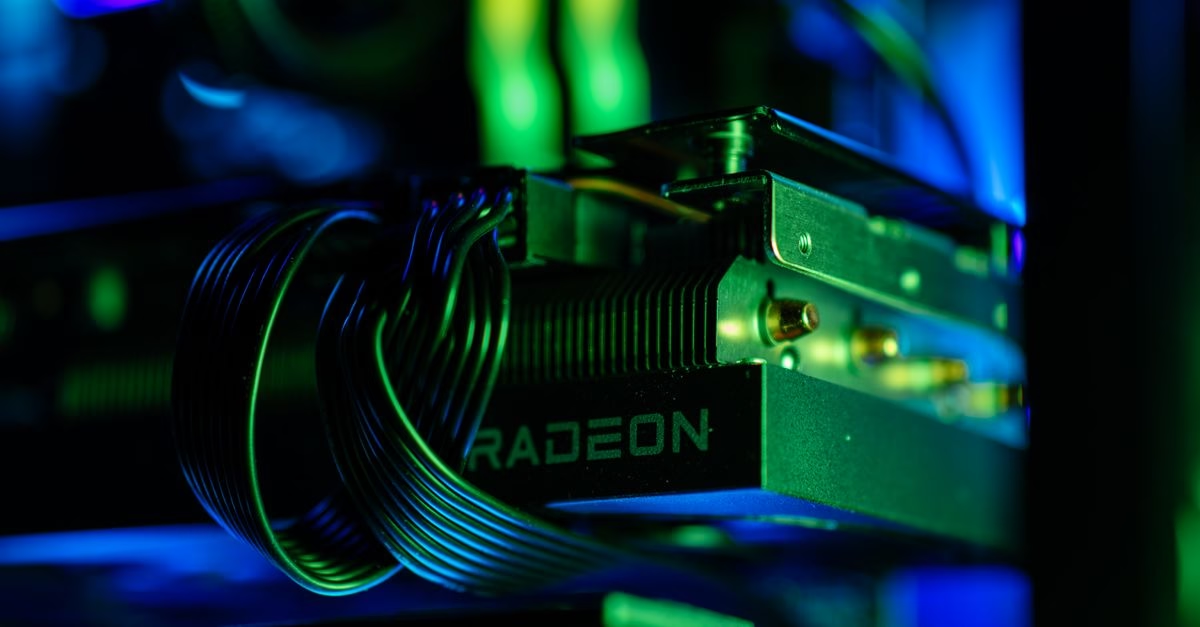
This matters because it reframes how we evaluate current hardware releases. When a new AMD Radeon card launches at a premium price point, it isn’t just competing with Nvidia; it’s competing against the memory of a time when such performance was within reach for average enthusiasts. The shift reflects broader economic trends, including increased manufacturing complexity, supply chain volatility, and the dual-use nature of modern silicon (gaming plus AI/crypto).

However, it is crucial to distinguish between nominal price and real purchasing power. While 2006 dollars had different value, the ratio of GPU cost to median household income likely favored the earlier era. This discrepancy forces buyers to consider whether they are paying for innovation or scarcity.
Navigating the Modern Market
The takeaway isn’t that you should hunt for a 2006-era card—those lack support for modern APIs and efficiency standards—but that the baseline expectation for GPU affordability has been reset. Today’s market demands careful budgeting and realistic expectations regarding upgrade cycles.
As AMD continues to release new architectures, understanding this historical context helps consumers gauge whether a price hike is justified by tangible gains or merely driven by market dominance. For now, the “wildly cheaper” days of 2006 remain a benchmark of accessibility that current hardware struggles to match.