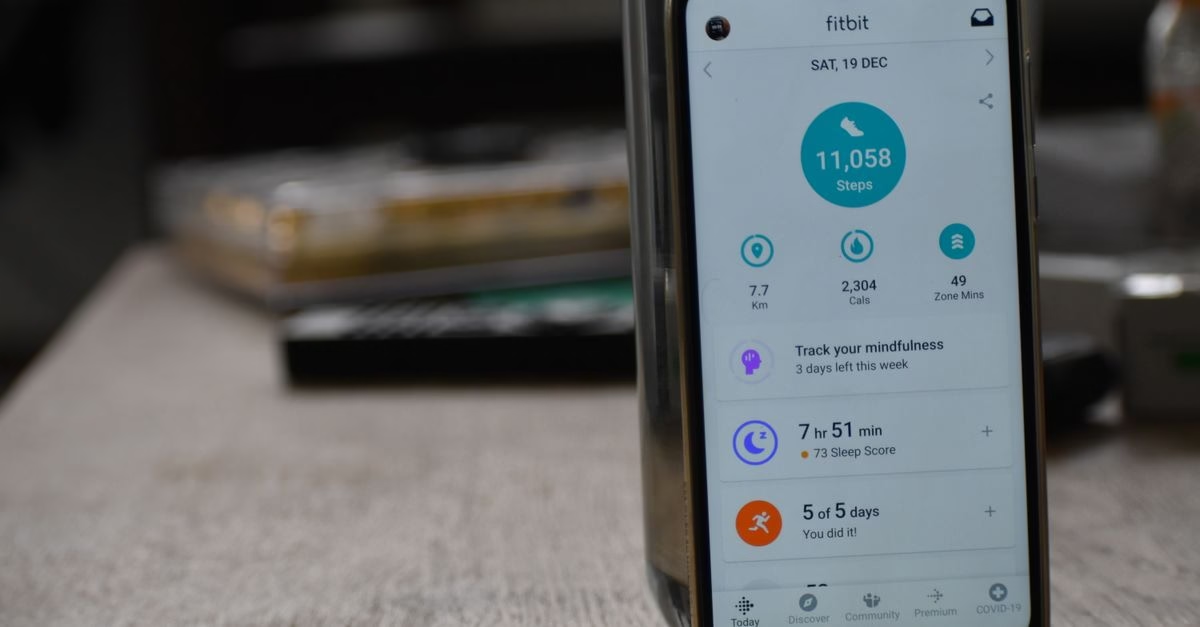
Google Breaks Silence on the Fitbit Edge Timeline
After weeks of speculation and detailed leaks circulating online, Google has finally acknowledged the existence of the Fitbit Edge. On X (formerly Twitter), the official Google Health account posted an image of the device’s side profile alongside the caption: “Get an Edge on your health. 10.12.26.” This post confirms that the long-rumored fitness tracker will officially launch on October 12, 2026.
The announcement validates earlier reports from sources like Dealabs and Android Headlines, which had previously outlined the device’s technical specifications. While Google’s teaser is minimal, it serves as the first official confirmation that the hardware is moving from leak territory to retail shelves. The timing suggests a rapid rollout, with the launch occurring just days after the initial tease.
For consumers who have been tracking these rumors, the confirmation resolves the primary question of whether this specific design and feature set would ever reach the market. The device appears to be positioned as a significant update to Fitbit’s lineup, leveraging Google’s ecosystem integration while maintaining the brand’s focus on health metrics.
Specs and Sensors Define the Mid-Range Value Proposition
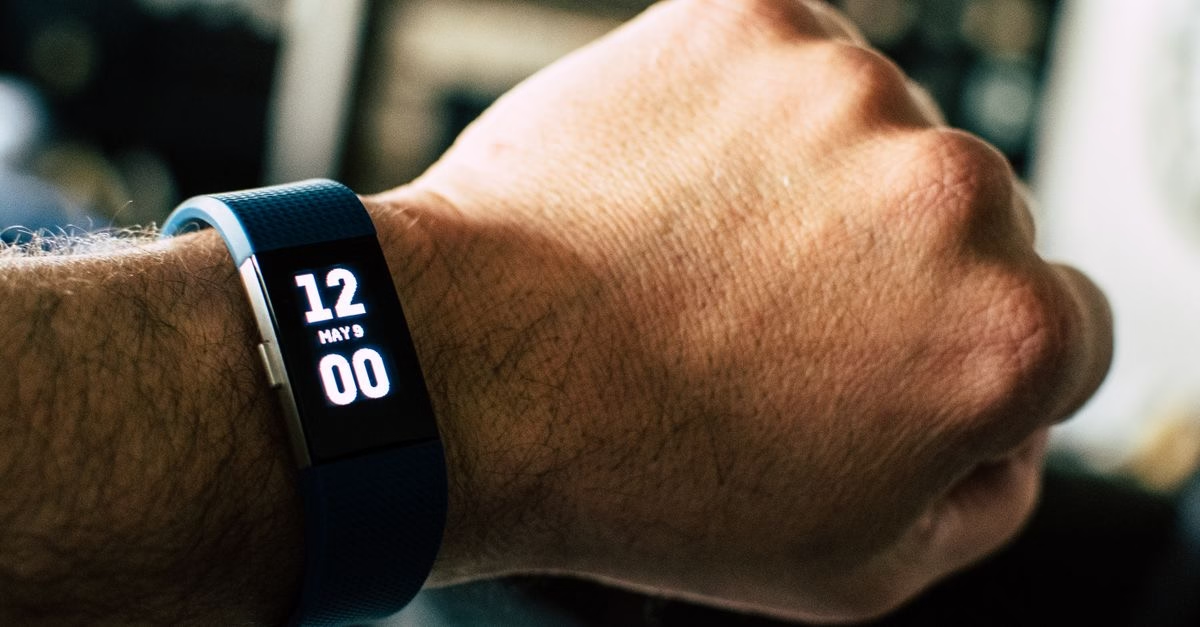
The significance of the Fitbit Edge lies not just in its release date, but in the feature set that has emerged from credible leaks. If the reported specifications hold true, the device targets users who want comprehensive health monitoring without paying premium smartwatch prices. Rumors indicate a 1.34-inch always-on OLED touchscreen, which offers a balance between readability and battery efficiency.

Perhaps more importantly, the sensor suite appears robust. Reports suggest the inclusion of built-in GPS, an accelerometer, barometer, altimeter, and gyroscope. For active users, this combination supports accurate activity tracking without needing a paired phone. Additionally, optical sensors for heart rate and blood oxygen saturation (SpO2) are expected, along with electrical sensors capable of capturing ECGs.
A key differentiator may be the software’s ability to notify wearers about potential atrial fibrillation and irregular heart rhythms. This moves the device beyond simple step counting into genuine health monitoring territory. Furthermore, the rumored replaceable lithium-ion battery offering up to seven days of life addresses a common pain point in the wearable market, where many competitors require daily charging. With an estimated price point around $180 USD, the Edge aims to compete aggressively in the mid-range segment, offering high-end sensor data at a more accessible cost.
What Remains Unknown Before October 12
While the launch date is confirmed, several critical details remain unverified until the official event. Google has not yet disclosed the final retail price, exact color options, or availability regions outside of the United States. Canadian buyers, in particular, should monitor local retailers for pricing adjustments based on currency exchange rates and import duties.
Additionally, the depth of Google integration remains unclear. It is assumed the device will sync seamlessly with Google Fit and other Google services, but specific app compatibility and third-party support have not been detailed. The durability ratings, such as water resistance levels, are also absent from current reports.
As we approach October 12, the focus shifts from speculation to preparation. Consumers interested in the Fitbit Edge should verify their payment methods and check for pre-order opportunities, as early adopters often face stock shortages. Until then, the reported specs stand as the best available guide for what to expect from this new entrant in Google’s wearable portfolio.