THE QUICK TAKE · 2026 CAMERA GUIDE
TL;DR — Best Video Cameras for Sports
Best for POV and Outdoor Action
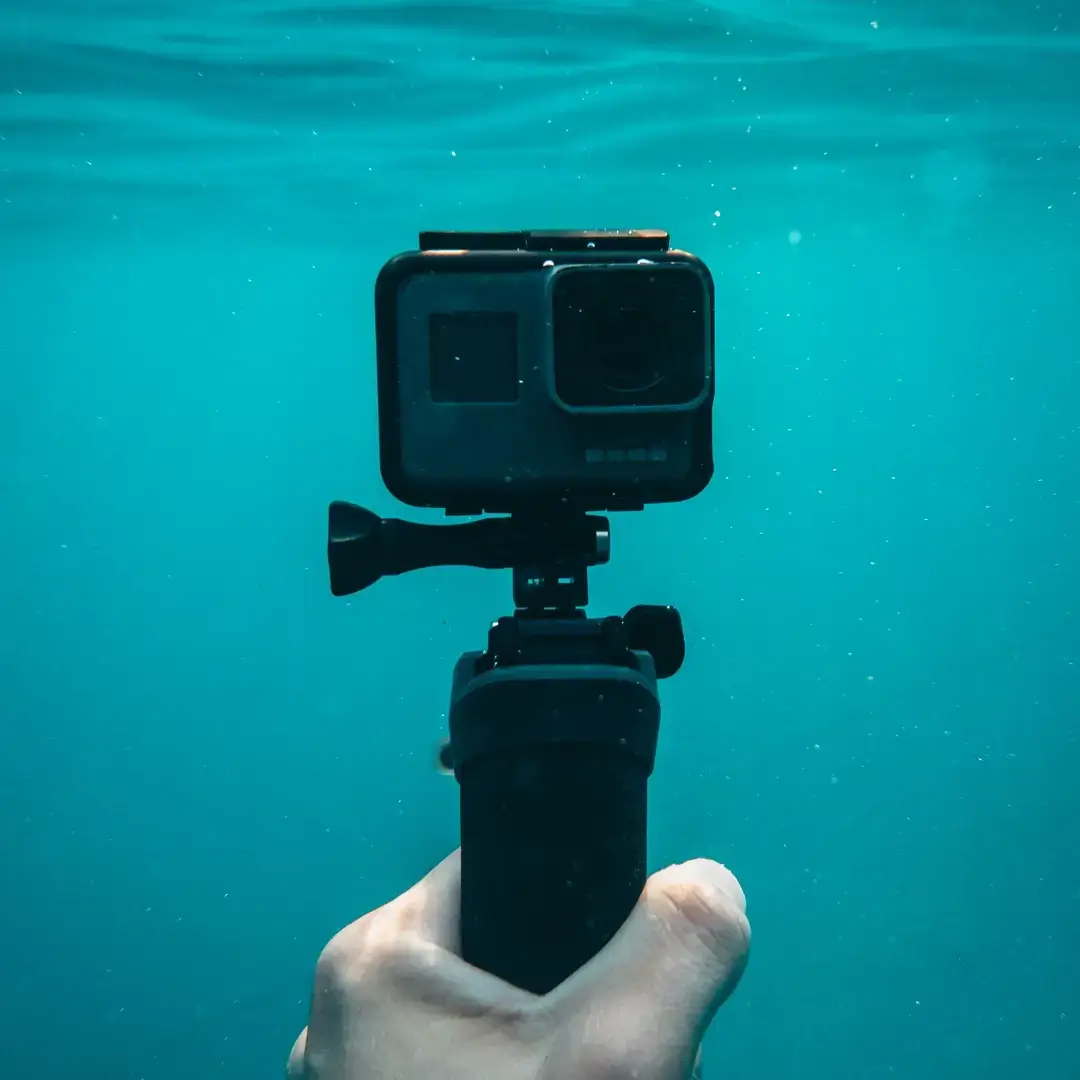
The Insta360 Ace Pro 2 delivers 8K30, 4K120, strong stabilization, and waterproofing to 12 metres without a case. Ideal for close-up action, helmet mounts, and wet conditions.
Best for Recording Full Games
The Panasonic GH7 combines active cooling, interchangeable lenses, and extended recording capabilities. It suits long matches and fixed sideline coverage, with recording duration dependent on settings, power, and storage.
Best for Fast Sideline Sports
The Sony a6700 offers a compact setup with telephoto lens flexibility. The Fujifilm X-H2S adds a stacked sensor and subject-tracking autofocus for fast-moving players.
Best for Cinematic Sports Production
The Sony FX30 is designed for sports documentaries, athlete profiles, and planned productions that benefit from cinema-focused recording and advanced editing workflows.
BOTTOM LINE
There is no single best camera for every sport. Choose an action camera for close-up POV footage, a hybrid camera for distant players and long matches, or a cinema camera for controlled productions. Your filming position matters more than resolution alone.
Finding the best video camera for sports depends on what you’re recording and how you’re recording it. Some sports demand a tough, waterproof action camera for POV angles right next to impacts, spray, and mud. Parents and coaches covering youth games from the sideline often prefer a tripod-friendly camera with dependable autofocus, subject tracking, and enough battery life to roll through full matches, a role that used to be dominated by camcorders. Another group needs cinema-oriented gear designed for controlled shoots, including log profiles and rig-friendly bodies.
Below are the best video cameras for sports, ranked for real-world shooting, with key features, pros, and cons.
Which Video Camera Is Best for Sports in 2026?
The best video camera for sports depends on where you’re filming. The Insta360 Ace Pro 2 suits close-range action and wet conditions. The Panasonic GH7 is a strong choice for long games, while the Sony a6700 offers a compact sideline setup. The Fujifilm X-H2S targets fast action, and the Sony FX30 suits planned productions.

| Camera | Best use case | Main trade-off |
|---|---|---|
| Insta360 Ace Pro 2 | POV, cycling, water sports, close action | No optical telephoto reach |
| Panasonic GH7 | Long games and fixed sideline coverage | Larger body; smaller sensor |
| Sony a6700 | Compact sports filming with interchangeable lenses | Cropped 4K120; potential heat constraints |
| Fujifilm X-H2S | Tracking fast-moving players and rapid panning | Lens cost and overall kit weight |
| Sony FX30 | Sports documentaries and planned cinematic footage | More production-oriented than action-focused |
Comparison table:
| Camera | Type | Max video resolution | Stabilization | Lens approach | Power approach | Built for |
| Insta360 Ace Pro 2 | Action camera | 8K30fps; 4K up to 120fps | FlowState + 360° Horizon Lock | Fixed Leica SUMMARIT lens, F2.6 | 1800mAh; up to 180 min (1080p24, Active HDR off, Endurance Mode) | Action, POV, and water sports in any light |
| Panasonic GH7 | Hybrid mirrorless (Micro Four Thirds) | 5.7K60; 4K up to 120fps | Up to 7.5-stop in-body stabilization | Interchangeable (Micro Four Thirds) | DMW-BLK22 battery; cooling fan | Recording full games without limits |
| Sony a6700 | Hybrid mirrorless (APS-C) | 4K up to 120fps (cropped) | 5-axis in-body stabilization | Interchangeable (E-mount) | NP-FZ100 battery | Compact sideline and travel sports kits |
| Fujifilm X-H2S | Hybrid mirrorless (APS-C) | 6.2K30fps; 4K up to 120fps (1.29x crop) | 7-stop in-body stabilization | Interchangeable (X-mount) | NP-W235 battery | Fast action with a stacked sensor and subject tracking |
| Sony FX30 | Cinema camera (Super 35) | 4K up to 120fps (1.6x crop) | 5-axis in-body stabilization + Active Mode | Interchangeable (E-mount) | NP-FZ100 battery | Rigged sports production |
1. Insta360 Ace Pro 2
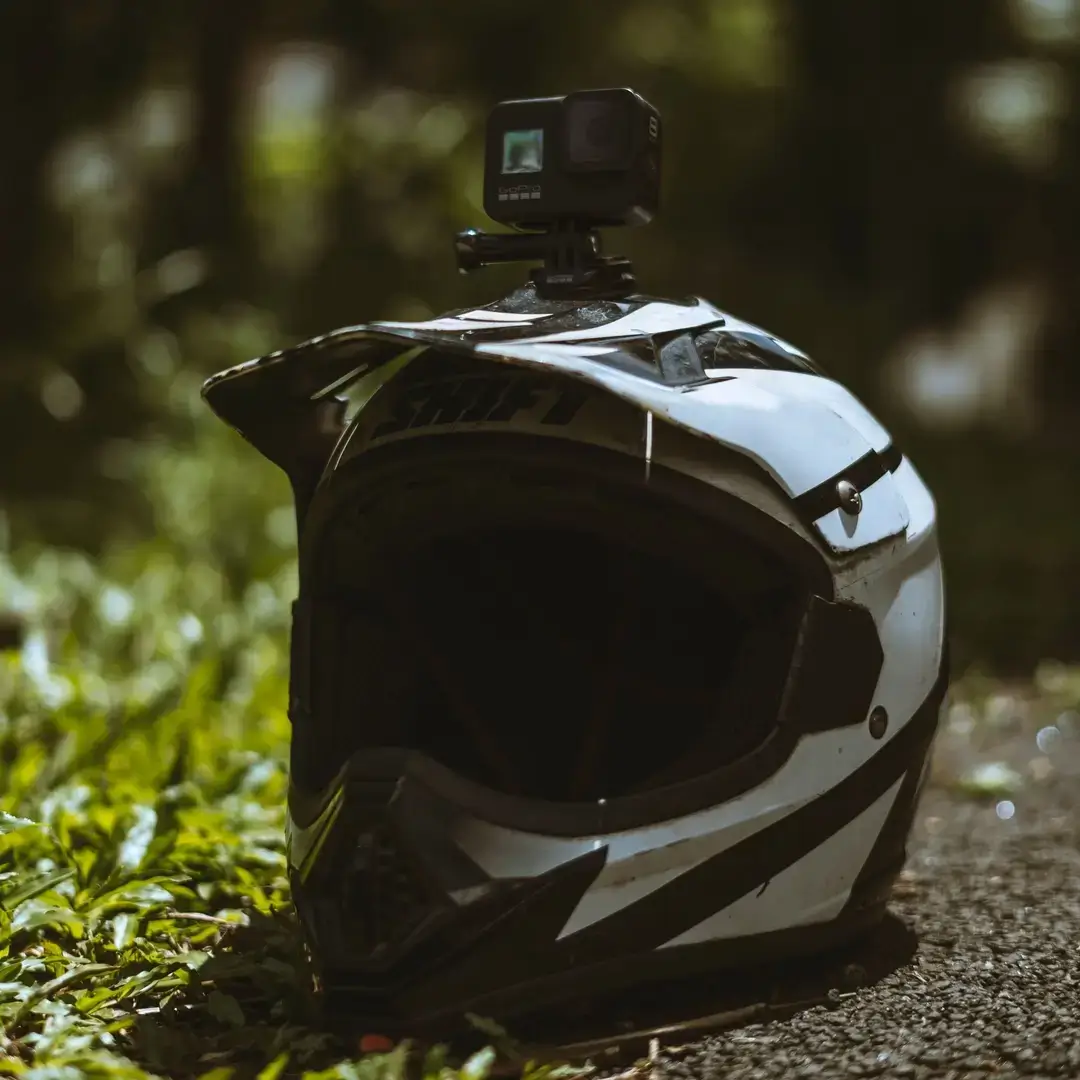
Best For: Sports filming that involves fast movement, weather, splashes, or mixed lighting, especially when footage needs to go from capture to share quickly.
The Insta360 Ace Pro 2 is Insta360’s flagship 8K action and POV camera, co-engineered with Leica. In sports, its defining benefit is consistent performance in situations that can overwhelm phones and many compact cameras, including rapid movement, bad weather, spray, and light that shifts from bright to dim in seconds.
Its image quality is driven by a 1/1.3″ 8K sensor with 13.5 stops of dynamic range paired with a Leica SUMMARIT F2.6 lens. A dual-chip design, a dedicated imaging chip alongside a 5nm AI chip, enables PureVideo up to 4K60fps, helping keep footage usable in indoor gyms, stadium shade, early-morning practices, and late-day finishes. Active HDR up to 4K60fps is designed to keep both bright skies and darker sidelines under control.
The Ace Pro 2 is waterproof to 12m (39ft) without a case, which makes rain, surf, and on-water shooting possible without extra housing. FlowState stabilization and 360° Horizon Lock help keep footage steady during sprints, jumps, and quick changes of direction, while 4K120fps and 1080p240fps frame rates support slow-motion replays. With up to 180 minutes of battery life (1080p24, Active HDR off, Endurance Mode), it can run from a helmet mount or sit on a small tripod at the edge of a field. After filming, AI Highlights Assistant and one-tap Auto Editing help speed up posting, and Gesture Control and Voice Control 2.0 remain practical when hands are gloved, or the camera is mounted on a helmet.
Features
- 1/1.3″ 8K sensor with 13.5 stops of dynamic range
- Leica SUMMARIT lens with F2.6 aperture and Leica colour profiles
- 8K30fps, 4K up to 120fps, and 1080p up to 240fps slow motion
- Active HDR and PureVideo low-light mode, both up to 4K60fps
- Dual-chip processing: dedicated imaging chip plus 5nm AI chip
- FlowState stabilization with 360° Horizon Lock
- Waterproof to 12m (39ft) without a case
- 2.5″ flip touchscreen (329 PPI, 900 nits)
- Included snap-on Wind Guard
- 1800mAh battery with up to 180 minutes (1080p24, Active HDR off, Endurance Mode); 80% charge in 18 minutes
- 50MP photos
- Operating temperature: -20°C to 45°C (-4°F to 113°F)
- Weight: 184g (US market); 182g elsewhere
- microSD support up to 1TB
Pros
- 8K30 and 4K120 cover both detail and slow motion
- Rugged action camera for POV and tripod angles
- Waterproof to 12m without a housing
- Strong low-light results with PureVideo up to 4K60
- Fast turnaround with AI Highlights Assistant and one-tap Auto Editing
Cons
- No built-in storage, so a microSD card is required
- Fixed ultra-wide lens with no optical zoom or telephoto, so distant sideline action needs a closer position
2. Panasonic GH7
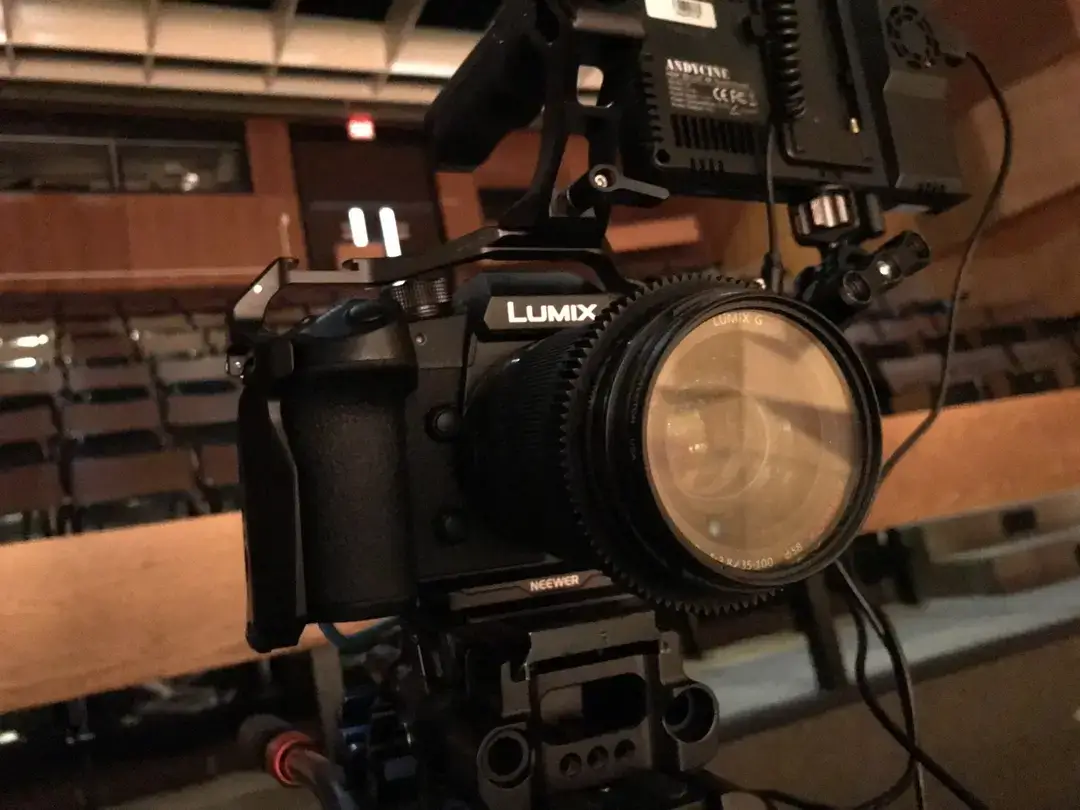
The Panasonic GH7 fits sports shooters who want a hybrid camera geared for long recording times and modern codecs, moving between straightforward event coverage and creator-style segments.
Features
- 25.2MP Micro Four Thirds sensor
- 5.7K60, 4K up to 120fps, and internal ProRes RAW up to 5.7K30
- Up to 7.5 stops of in-body stabilization
- Phase-detect autofocus
- Internal cooling fan for unlimited recording
Pros
- Unlimited recording lets it record full games and long events
- Smaller Micro Four Thirds lenses keep telephoto kits light
- Strong stabilization for handheld work
Cons
- Smaller sensor than APS-C rivals in low light
- At 721g, heavier than compact hybrid options
3. Sony a6700
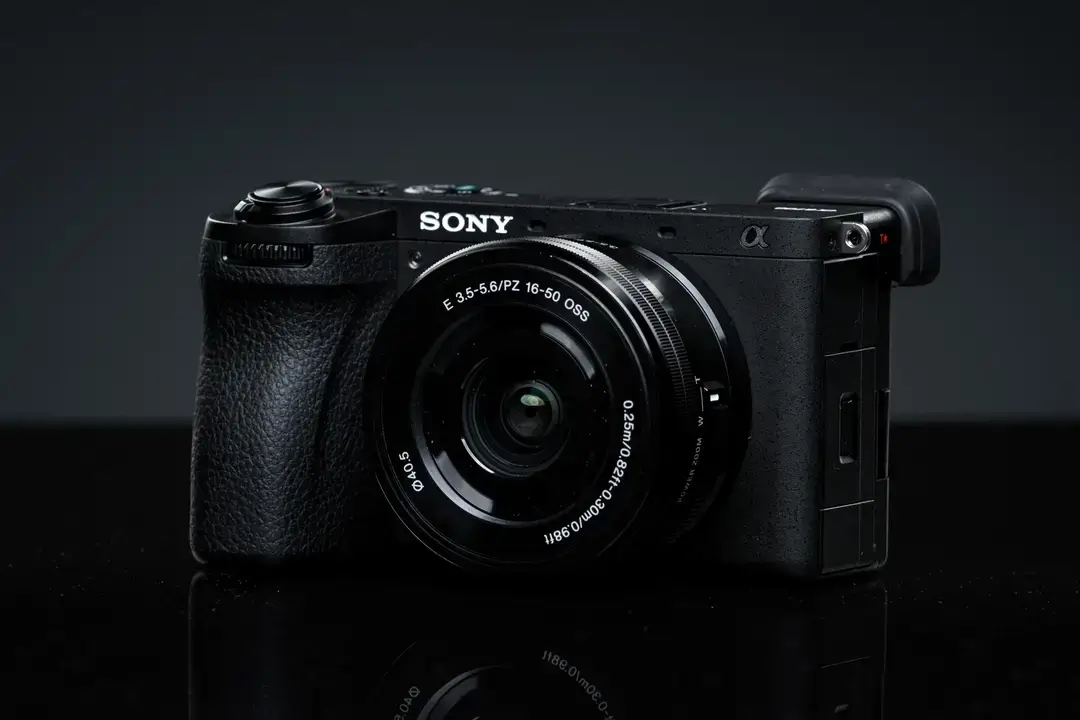
The Sony a6700 is a compact APS-C hybrid that makes sense for sports shooters moving through crowds, along sidelines, or across travel-heavy schedules while still wanting the flexibility of interchangeable lenses.
Features
- 26MP APS-C sensor
- 4K60fps oversampled from 6K; 4K120fps with a 1.58x crop
- 5-axis in-body stabilization rated at 5 stops
- 3″ vari-angle touchscreen
- Wide E-mount lens ecosystem
Pros
- Small body keeps a sports kit manageable
- E-mount offers many telephoto and optical zoom options for the sideline
- In-body stabilization helps handheld clips
Cons
- 4K120 recording uses a 1.58x crop
- Not built for direct mounting or water exposure
4. Fujifilm X-H2S
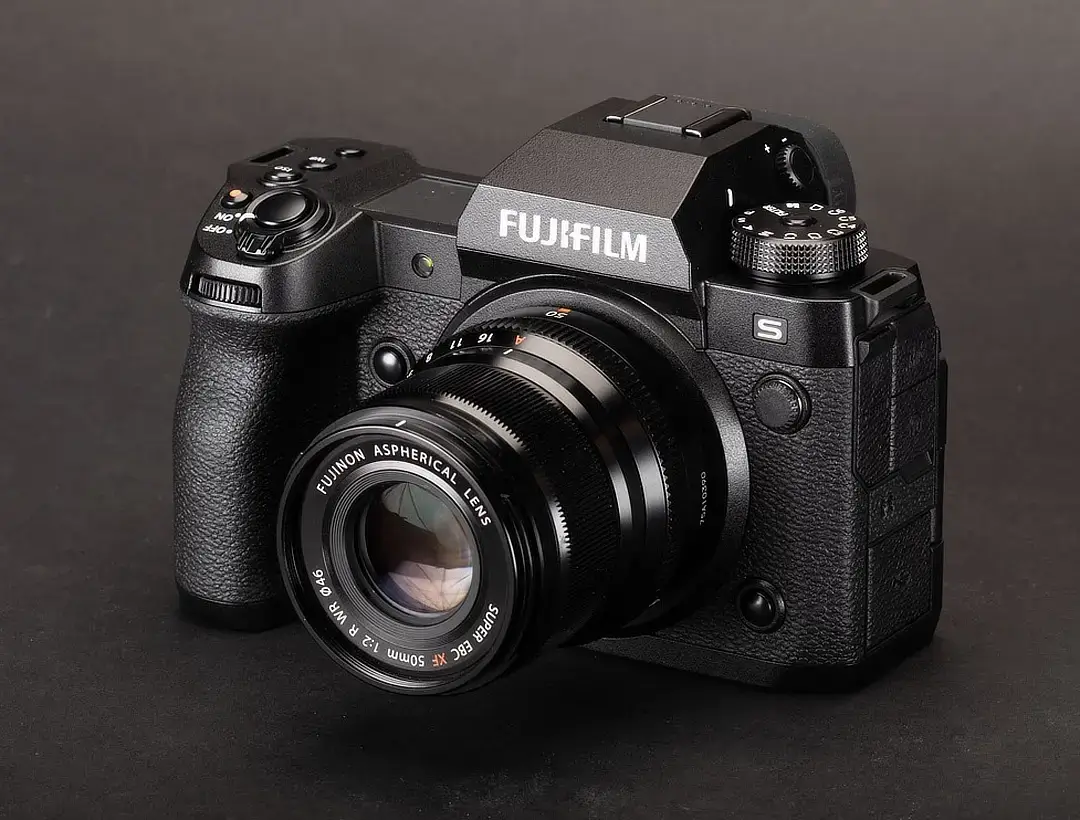
The Fujifilm X-H2S is a strong match for sports shooters looking for a fast hybrid body with interchangeable lenses. Its stacked sensor and subject-detection autofocus are designed for high-speed play on fields, courts, and tracks.
Features
- 26.1MP stacked APS-C sensor
- 6.2K30fps internal ProRes 10-bit and 4K up to 120fps (1.29x crop)
- 7-stop in-body stabilization
- Subject-detection AF and up to 40fps electronic burst
- CFexpress Type B and UHS-II SD slots
Pros
- Stacked sensor reduces rolling shutter in fast action
- Subject-tracking autofocus follows players across the field
- Internal ProRes simplifies professional workflows
- Strong stabilization for handheld sideline work
Cons
- Large telephoto lenses add cost and weight
- Not waterproof, so it needs protection in wet conditions
5. Sony FX30
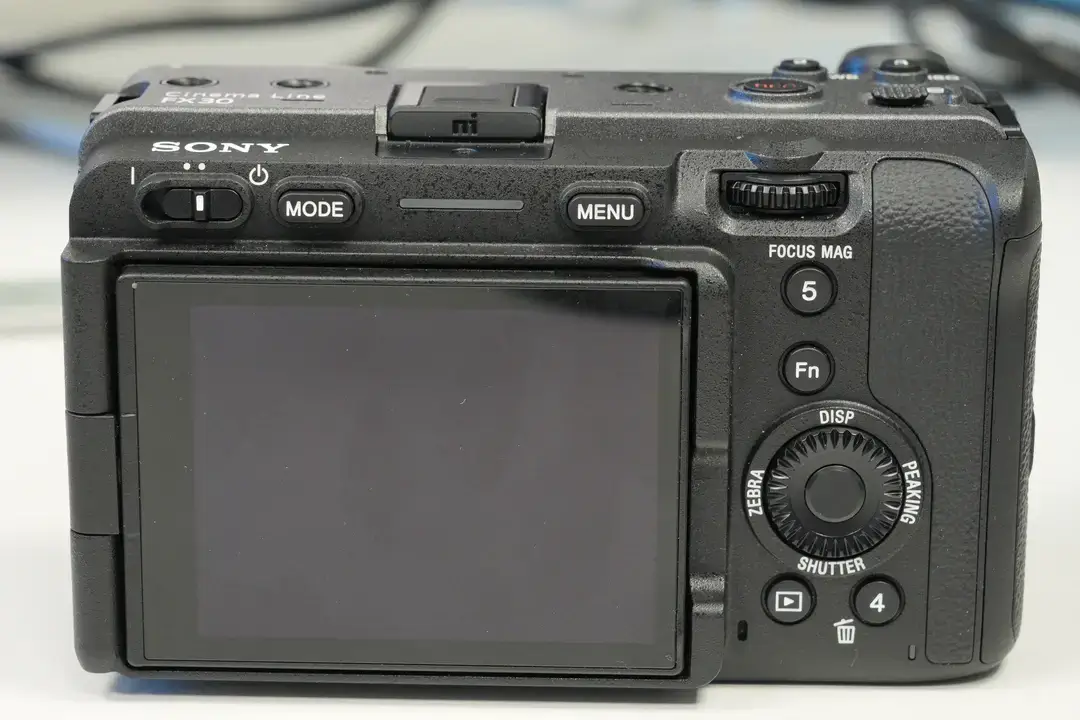
The Sony FX30 targets sports coverage built around cinema-style production, including training films and documentary-focused athlete pieces where rigging and log workflows are part of the plan.
Features
- 20.1MP Super 35 sensor with 4K oversampled from 6K up to 60fps
- 4K up to 120fps (1.6x crop) and Full HD up to 240fps
- Dual base ISO of 800/2500 and S-Log
- 5-axis in-body stabilization plus Active Mode
- Optional XLR handle for 4-channel audio
Pros
- Cinema-focused design suits rigged production
- Dual base ISO helps in dim indoor venues
- Flat-top design with built-in accessory mounting points
Cons
- Better suited to planned shoots than run-and-gun action
- Less convenient than an action camera for impact-heavy or wet filming
Choosing The Right Sports Video Camera
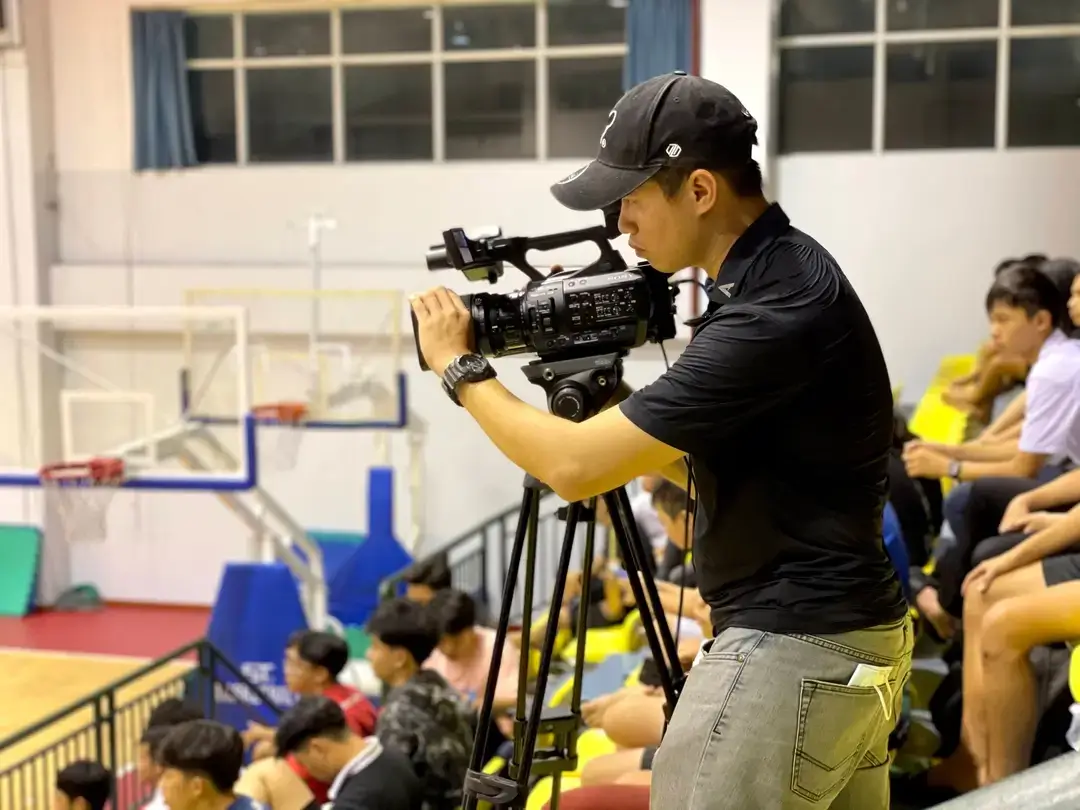
When selecting the best video camera for sports, consider:
- Sport Environment: Water, rain, dust, and impacts favour a rugged, waterproof action camera, while field and indoor sports filmed from the sideline benefit from telephoto lenses and optical zoom.
- Motion Needs: Fast play rewards high frame rates for slow motion, autofocus and subject tracking, and a stacked sensor that limits rolling shutter.
- Low Light: Stadiums, indoor gyms, and night events reward strong low-light video tools.
- Mounting and Access: Helmet, board, or goal mounts favour compact cameras with simple controls.
- Recording Time: Parents and coaches who record full games should check battery life and recording limits.
- Sharing: Tournament weekends benefit from fast editing tools, and some shooters will also want live streaming.
Frequently Asked Questions
1. What makes a camera good for sports video?
A useful sports video camera must keep moving subjects clear in changing light. Prioritize autofocus, a suitable lens or field of view, reliable recording time, and stabilization for handheld footage. High frame rates help with slow-motion replays, while weather resistance matters for wet or dusty sports.
2. Which camera is best for recording an entire sports game?
For long, fixed-position recording, the Panasonic GH7 is a strong option among these five cameras. Its built-in cooling fan and interchangeable lenses are useful for covering a full match. Panasonic specifies unlimited recording for certain modes, including C4K/4K up to 60p; battery power, storage, temperature, and recording mode still matter.
3. Are action cameras good for filming sports from the sidelines?
Action cameras work best close to the play or when mounted on helmets and equipment. Across a large field, a fixed ultra-wide lens can make players look small. A hybrid camera with a telephoto lens is generally more practical for distant sideline action.
4. Should I record sports in 4K at 60fps or 120fps?
Choose 4K60 for smooth, normal-speed action. Choose 4K120 when you want to slow down quick plays in editing. Check your camera settings: high-frame-rate modes may crop the image, reducing the field of view.
5. Is 8K necessary for sports video?
No. 8K can give you more room to crop or reframe a shot, but it does not automatically improve focus, low-light performance, or stability. For many sports projects, 4K at 60fps or 120fps is more useful than 8K at 30fps.
6. Which of these sports video cameras is waterproof?
The Insta360 Ace Pro 2 is rated waterproof to 12 metres (39 feet) without an extra case. Before using it in water, make sure the battery and USB covers are closed, its lens guard is fitted, and the seals are clean. The other cameras in this comparison should not be treated as waterproof.
7. Which camera should I use for indoor or low-light sports?
The best choice depends on how far away you are and what you need to record. The Insta360 Ace Pro 2 offers PureVideo up to 4K60 for close-range low-light action. Interchangeable-lens cameras let you choose a suitable fast lens, while the Sony FX30 is designed for more controlled cinema-style workflows.
8. Do I need a telephoto lens to film field sports?
Usually, yes, if you record from a distant sideline. Telephoto reach keeps players larger in the frame. The Panasonic GH7, Sony a6700, Fujifilm X-H2S, and Sony FX30 support interchangeable lenses; the Insta360 Ace Pro 2 has a fixed wide-angle lens.
9. Is stabilization or autofocus more important for fast sports?
It depends on the shooting position. For handheld point-of-view footage, stabilization helps reduce camera shake. For players moving across a field, autofocus and subject tracking may matter more. A tripod can make fixed sideline footage steadier.
The camera-specific answers are supported by the manufacturer documentation from Insta360, Panasonic, Sony, and Fujifilm, together with independent camera comparisons.