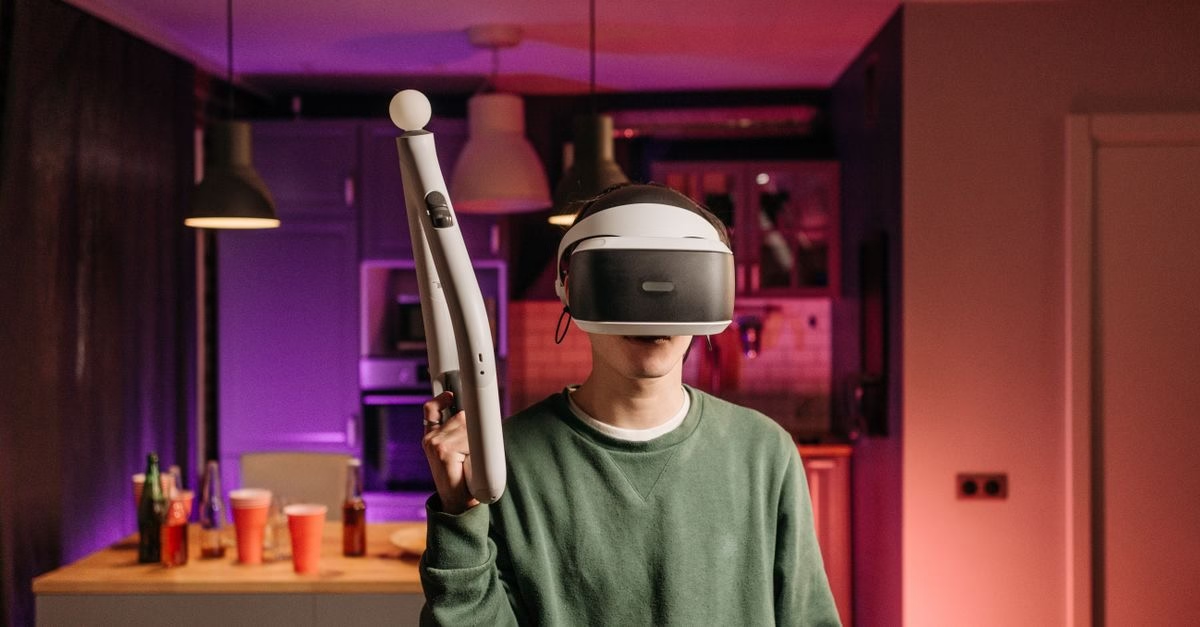
The Gear Shaping Your Next Movie Night
BGR recently published a guide identifying four specific gadgets intended to upgrade the quality of at-home movie nights. The article focuses on consumer-grade hardware that sits adjacent to traditional home entertainment systems, offering alternatives to large television setups or complex surround sound installations. While the summary does not list every specific model number, it points toward a category of products that prioritize accessibility and ease of use over professional-grade complexity.
The selection includes items such as portable projectors, which have become increasingly popular for their ability to turn any blank wall into a screen. Alongside visual upgrades, the report suggests accessories that improve the physical experience of watching films, such as organized snack storage and ambient lighting solutions. These gadgets are positioned as low-barrier entry points for viewers who want to feel more immersed in their content without committing to a full home theater renovation.
Research evidence corroborates that this market segment is active, with various retailers offering compact 4K Fire TVs, portable projectors starting around $70, and themed snack packages. This indicates that manufacturers are actively targeting consumers looking for quick, tangible improvements to their viewing habits. The focus remains on immediate usability, allowing users to set up these devices in minutes rather than days.
Why Accessible Tech Changes Home Viewing Habits
The push toward these specific gadgets matters because it democratizes the cinematic experience. Historically, achieving high-quality visuals and immersive audio required significant financial investment and technical expertise. Today, the availability of sub-$100 projectors and smart streaming sticks means that the barrier to entry for a ‘theater-like’ experience has dropped dramatically. For Canadian households, where space can be limited and rental costs are high, flexible entertainment solutions that do not require permanent fixtures are particularly valuable.

Furthermore, these gadgets address the social aspect of movie watching. By integrating elements like dedicated snack garlands or coordinated lighting, the technology helps create a ritualistic environment. This shifts movie night from passive consumption to an event, which can enhance enjoyment and engagement with the content. It also allows for greater customization; viewers can tailor the ambiance to match the genre of the film, whether it is a horror movie needing dark, moody lighting or a comedy show requiring bright, cheerful settings.
However, it is important to note that while these gadgets improve the atmosphere, they do not replace the core need for a good source stream. A projector is only as good as the content being projected. Therefore, the value lies in the synergy between the hardware and the user’s existing media library. The trend reflects a broader shift in consumer behavior where people are curating personalized entertainment spaces rather than relying solely on broadcast television or standard cable boxes.
What Remains Unknown About Long-Term Value
While the immediate appeal of these gadgets is clear, several questions remain regarding their long-term utility and durability. Portable projectors, for instance, often struggle with brightness in well-lit rooms, meaning their effectiveness is highly dependent on the viewer’s environment. Without controlled testing data provided in the source material, it is difficult to assess how well these devices perform outside of ideal conditions.
Additionally, the longevity of smaller electronic accessories, such as specialized snack holders or decorative lighting, varies widely. Consumers should consider whether these items are durable investments or temporary novelties. The rapid pace of tech updates also means that today’s cutting-edge gadget may become obsolete within a few years, raising questions about cost-per-use over time.
Ultimately, the decision to invest in these upgrades depends on individual priorities. If the goal is to create a fun, immersive atmosphere for occasional gatherings, these gadgets offer a compelling, low-risk option. For those seeking critical image fidelity or audiophile-grade sound, however, traditional high-end equipment may still be necessary. As the market evolves, keeping an eye on user reviews and independent testing will be crucial for determining which of these trendy additions truly deliver on their promises.