Carrier Plans and Storage Tiers Hit Canadian Markets
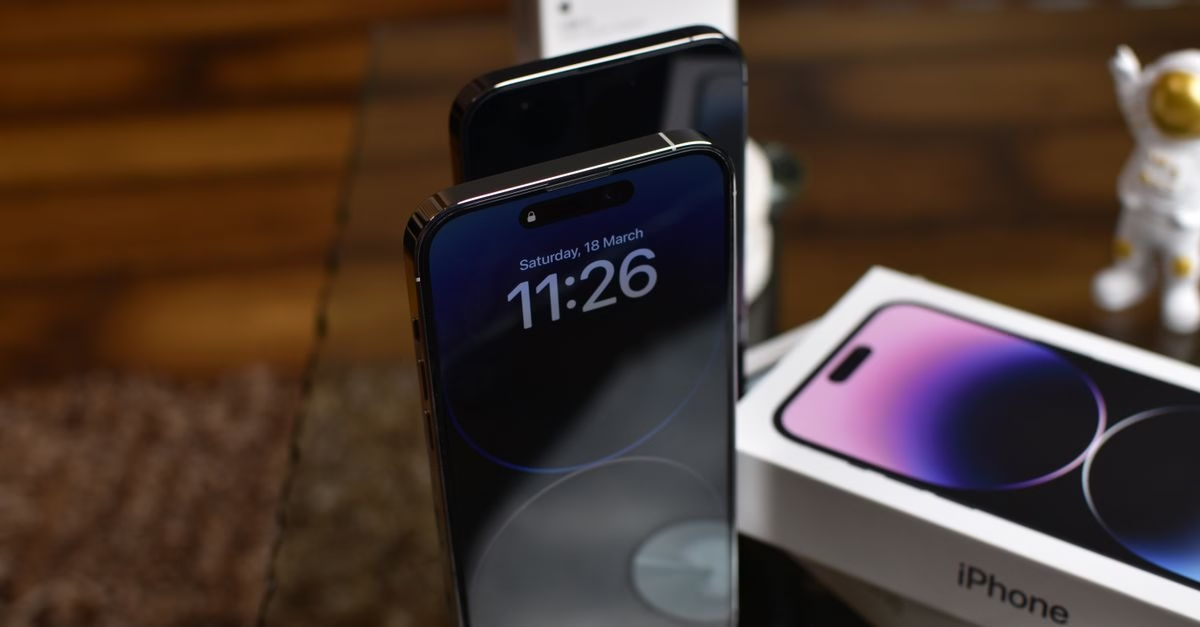
Canadian telecommunications providers have officially published their pricing structures for Apple’s newly announced iPhone Duo. While Apple sets the base retail price, carriers are bundling these devices into existing contract frameworks, though the upfront costs remain steep for most consumers. According to reports from MobileSyrup, the entry-level 256GB model carries a sticker price of $2,999 CAD. For those requiring more internal space, the 512GB variant jumps to $3,299, while the 1TB version sits at $3,899. The top-tier 2TB configuration commands a premium of $4,799.
These figures align with Apple’s global strategy of positioning the Duo as a premium, high-capacity device rather than a mass-market smartphone replacement. However, the availability timeline introduces a significant hurdle for eager buyers. Although pre-orders are technically open, widespread inventory shortages are causing logistical bottlenecks. Initial shipping estimates suggest that many Canadian customers will not receive their devices on the official October 23 launch window. Instead, fulfillment dates are pushing further out, with some orders expected to arrive in 2027. This delay highlights the intense initial demand and potential manufacturing constraints surrounding the new form factor.
The Cost Barrier and Supply Chain Reality
For Canadian consumers, the combination of high pricing and delayed availability creates a unique set of challenges. The starting price of nearly $3,000 places the iPhone Duo firmly in the luxury segment, likely limiting its adoption to power users, professionals, or early adopters who require massive local storage without relying on cloud services. Most mid-range users may find the cost prohibitive, especially when compared to standard flagship models that offer similar performance at a fraction of the price.
Furthermore, the shift in delivery timelines affects how Canadians plan their tech upgrades. Those waiting for trade-in credits or carrier subsidies may face uncertainty regarding when they can actually use their old devices or activate new lines. The gap between ordering and receiving the product also opens the door for market speculation or secondary sales, though Apple typically restricts activation until the device is physically received. This situation underscores the volatility of high-demand tech releases, where marketing promises often clash with physical supply chain realities.

Navigating the Wait for Early Adopters
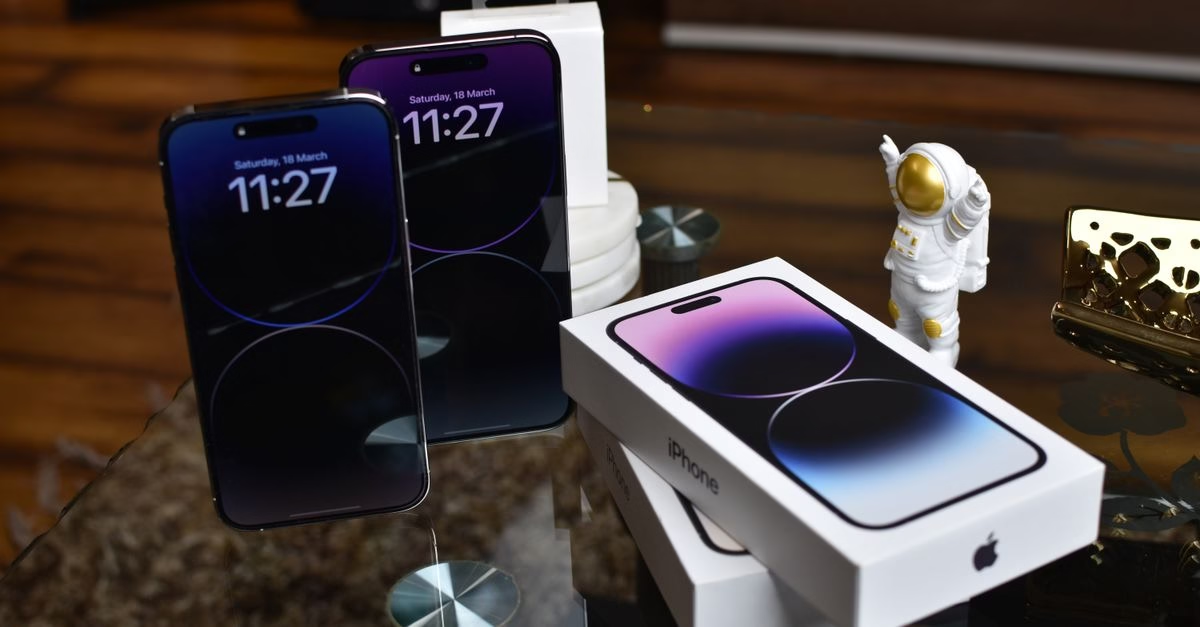
The iPhone Duo represents a bold step for Apple, but its Canadian rollout is marked by financial barriers and logistical friction. Consumers interested in securing one of the first units must be prepared for a lengthy wait, potentially spanning several months beyond the initial launch date. While the carrier pricing confirms the device’s premium status, the extended delivery windows suggest that immediate gratification is unlikely for most buyers.
Those willing to pay the premium should monitor their order status closely, as supply chains may stabilize over time. Until then, the iPhone Duo remains a product defined by exclusivity and patience, setting a high bar for future hardware releases in terms of both cost and consumer expectations.