


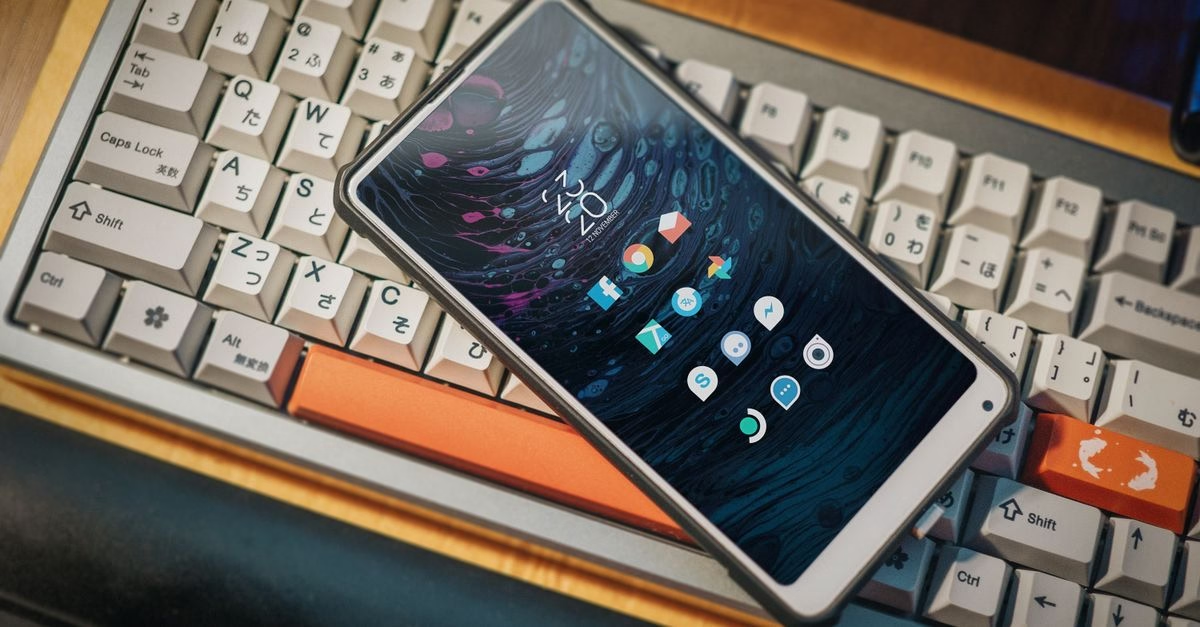
The Structural Reality of Entry-Level Displays
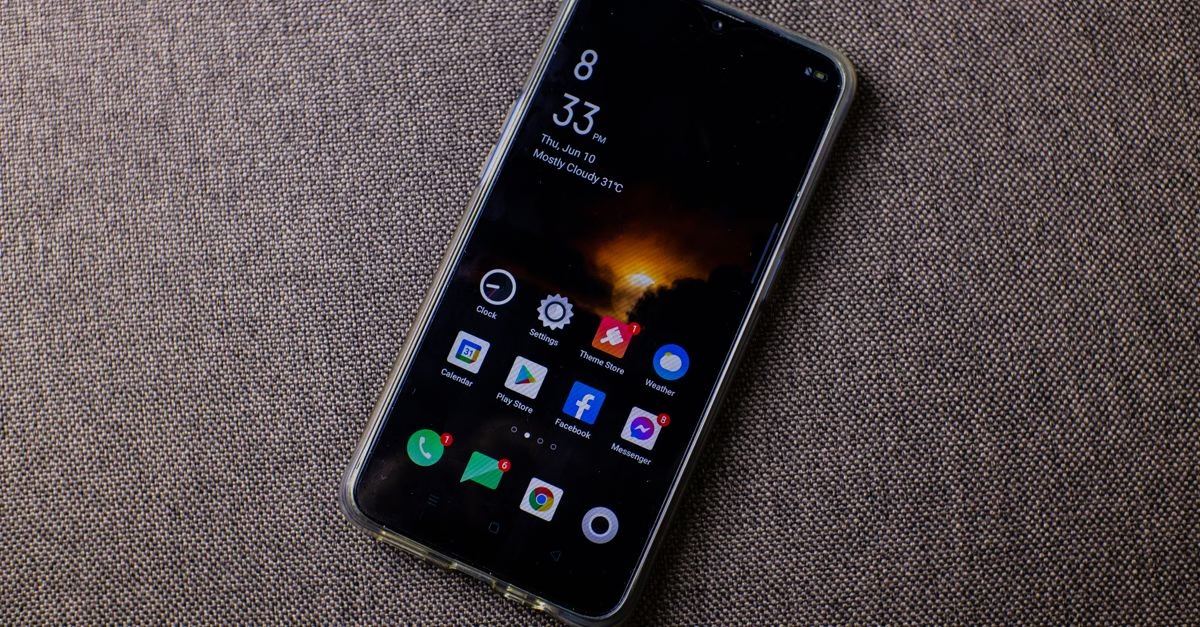
When you pick up a budget Android phone, the most noticeable visual compromise is often the thick border surrounding the screen, particularly at the bottom. This isn’t merely a stylistic choice or a failure of industrial design; it is a deliberate engineering constraint driven by physical limitations. According to industry analysis, these wider margins exist because cheaper devices require extra space for internal components that premium flagships can integrate more densely.
The lower bezel, often called the chin, serves as a necessary housing for display connectors and flex cables that route power and data from the motherboard to the panel. In high-end devices, advanced micro-connectors allow for near-edge-to-edge displays, but these components carry a significant price tag that contradicts the value proposition of an entry-level device. Consequently, manufacturers retain wider borders to ensure all necessary hardware fits within the chassis without requiring expensive miniaturization techniques.
Cost Versus Capability in Affordable Devices
This design choice directly impacts what buyers get for their money. While consumers increasingly expect the immersive, edge-to-edge look of flagship phones, budget manufacturers must balance aesthetics with functionality and affordability. Research indicates that LCD displays are still prevalent in this segment because they offer a reliable, cost-effective alternative to OLED panels. These screens often require different structural support and connector arrangements, further necessitating the thicker lower frame.
For the average user, this means accepting a slightly dated look in exchange for a device that offers capable processors, dependable battery life, and useful camera features at a fraction of the cost. The trade-off is clear: you are paying for performance and utility rather than premium materials or maximalist design. Understanding this helps set realistic expectations. If your priority is raw speed or photographic quality, a mid-range device might be worth the investment.

However, if you need a reliable secondary device or a primary phone for basic tasks, the thicker bezel is a small price to pay for a stable, affordable experience that doesn’t break the bank.
Practical Takeaways for Smart Buyers
Ultimately, the presence of thick bezels on budget Android phones is a rational response to cost constraints and technical limitations. It reflects a prioritization of internal functionality over external aesthetics. For Canadian consumers navigating the market, this means looking beyond the spec sheet’s visual promises. When evaluating an affordable device, consider whether the savings justify the design compromises. If you value durability, ease of repair, and straightforward performance, the traditional form factor remains a viable option.
As display technologies evolve and costs decrease, we may see thinner borders become standard in lower-tier models, but for now, the wide chin remains a hallmark of accessible technology. Recognizing these underlying reasons allows buyers to make informed decisions based on actual needs rather than chasing trends that inflate prices without adding tangible value.



![Choetech 2 pack [4ft/1. 2m] premium tpe usb-c to usb-a cable with 56k ohm | choetech 2 pack usb a to type c header | review by cryovex](https://www.cryovex.com/wp-content/uploads/2016/10/CHOETECH-2-Pack-USB-A-to-Type-C_header-300x83.jpg "CHOETECH 2 Pack [4ft/1.2M] Premium TPE USB-C to USB-A Cable with 56k ohm | Smart Tech, Sharp Takes - CRYOVEX.com")
