The Magnetic Shift Beyond iPhone
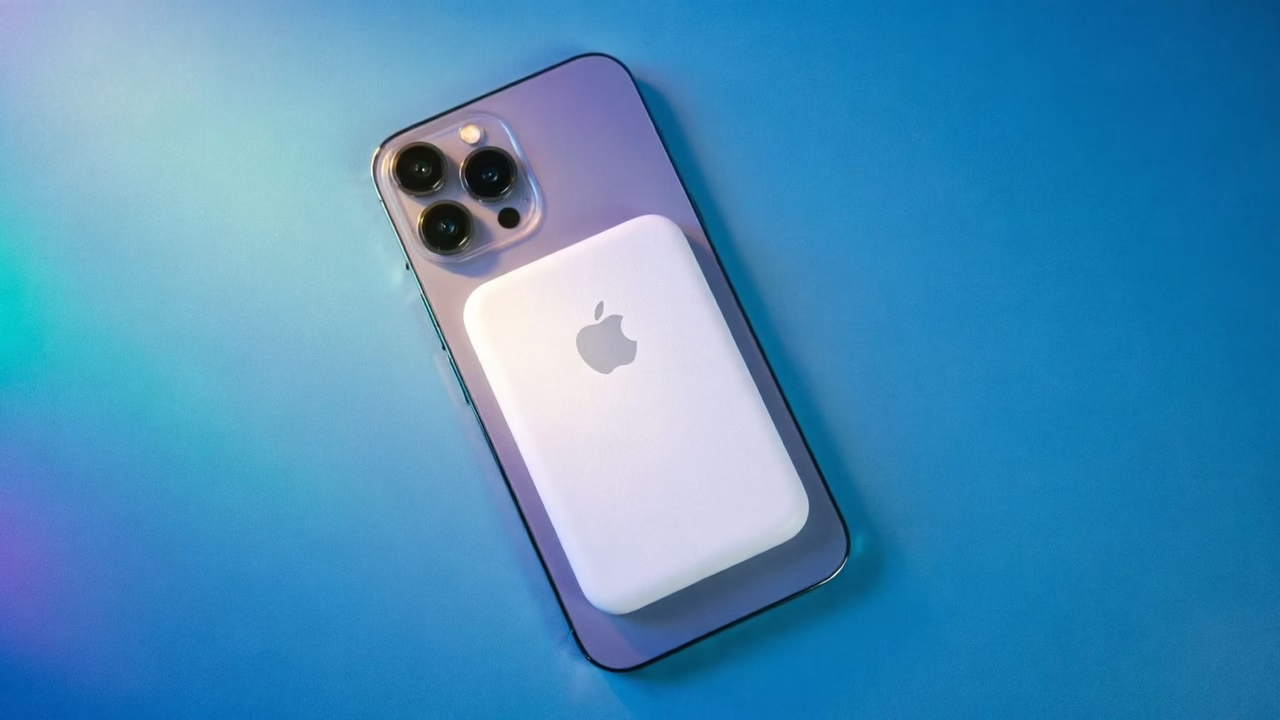
For years, MagSafe was synonymous exclusively with Apple’s iPhone lineup. The proprietary magnetic array allowed for precise alignment of chargers, wallets, and car mounts, creating a seamless but closed-loop experience. However, recent industry developments signal a significant departure from this exclusivity. According to reporting from BGR, an increasing number of Android-powered phones and third-party cases are now integrating support for MagSafe-compatible accessories.
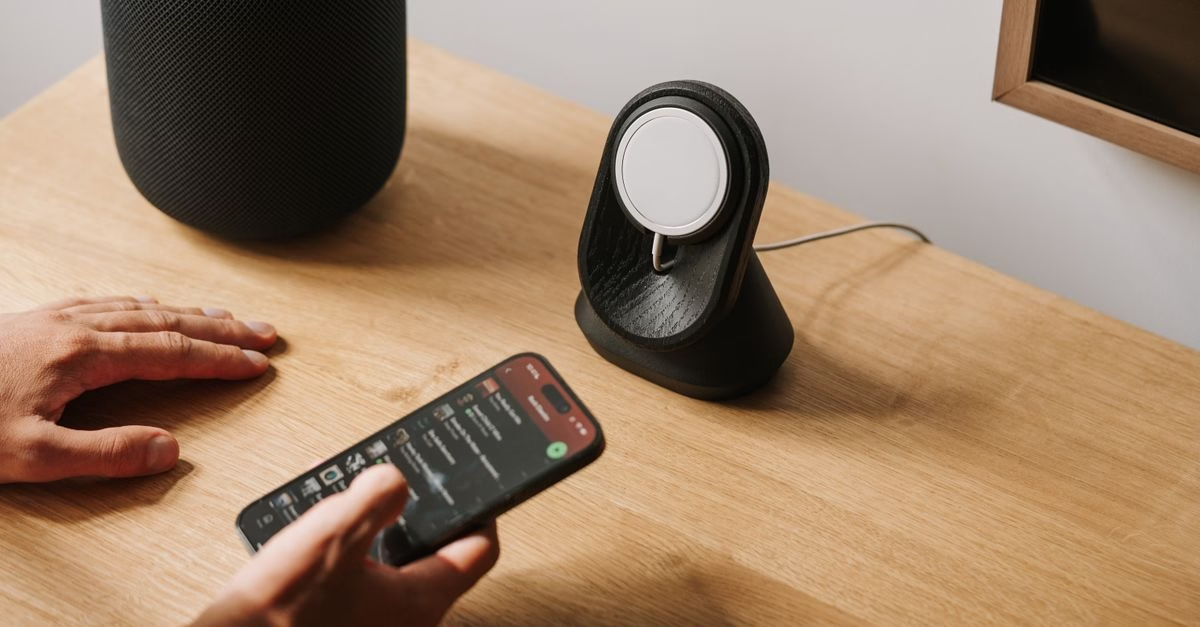
This shift is not merely about compatibility; it represents a broadening of the hardware landscape. The focus of these new entries is specifically on gadgets that move beyond the traditional trio of mounts, wallets, and power banks. While those items remain staples, the current wave of innovation is targeting more specialized or novel use cases for magnetic attachment. This suggests that manufacturers are recognizing the utility of the magnetic standard itself, rather than just the branding associated with it.
Breaking the Ecosystem Lock-In
The significance of this trend lies in its potential to democratize the convenience that MagSafe users have enjoyed for several years. Historically, if you wanted the snap-and-go functionality of magnetic accessories, you were required to invest in an Apple device. This created a form of ecosystem lock-in where peripheral costs and user experience were tied directly to the phone manufacturer.
By enabling Android devices to utilize similar magnetic frameworks, the barrier to entry for high-quality, convenient accessories lowers significantly. For consumers, this means greater choice and potentially lower costs for accessories that do not need to be licensed under Apple’s strict MFM (Made for MagSafe) program. It also pressures Apple to innovate further to maintain its premium positioning, as competitors can offer comparable physical convenience without the software restrictions.

Furthermore, this development highlights a broader industry trend where proprietary standards often evolve into de facto universals. Just as USB-C has become the common denominator for charging across brands, magnetic attachment points are finding their way into multi-brand strategies. This benefits the average consumer by fostering a more open market for mobile peripherals.

The Future of Cross-Platform Magnetics
As the market for non-traditional MagSafe gadgets expands, the distinction between Apple-centric and universal accessories will continue to blur. The emergence of these tools on Android platforms demonstrates that the value proposition of magnetic convenience is recognized across the industry, not just within Cupertino.
While specific details on every new gadget may still be emerging, the direction is clear: magnetic attachment is becoming a versatile feature rather than a brand-specific gimmick. Consumers should expect to see more innovative, niche accessories hit the shelves that leverage this shared language of magnetism. For now, the primary takeaway is that the magnetic accessory revolution is no longer confined to one operating system, opening up new possibilities for users regardless of their phone choice.