The Developers Behind Sonic Mania Are Tackling Ape Escape
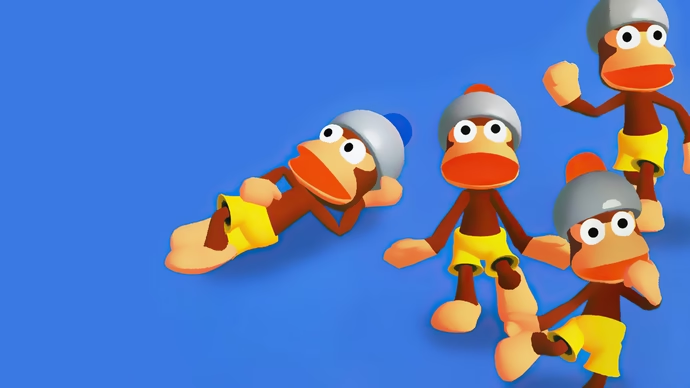
Sony is reportedly plotting a significant expansion of its classic game library by partnering with smaller, specialized third-party developers. According to reports from gaming journalist Jeff Gerstmann and VGC, the first major project in this initiative is a new Ape Escape game being developed by Evening Star, the studio responsible for the critically acclaimed Sonic Mania.
This move marks a distinct departure from Sony’s traditional internal development model. By outsourcing these revivals to external teams, Sony aims to breathe new life into dormant IPs without stretching its first-party studios thin. The news was corroborated during a recent episode of Gerstmann’s podcast, where he noted that while the game is not close to release, discussions about an Ape Escape revival have been ongoing for nearly a year.
While Ape Escape is the headline act, it appears to be just the beginning. Reports suggest that Sony is actively accepting pitches for other classic franchises, with Killzone reportedly being handled by People Can Fly and Sly Cooper also in the pipeline. This strategy allows Sony to leverage the specific expertise of niche studios—such as Evening Star’s mastery of 2.5D platforming—to ensure these revivals meet modern quality standards while respecting their original roots.
Why This Strategy Shifts the Landscape for PlayStation Fans
For Canadian gamers and PlayStation enthusiasts, this development signals a potential renaissance for beloved but forgotten series. The reliance on studios like Evening Star suggests a commitment to high-quality, faithful remakes rather than cash-grab reboots. Sonic Mania succeeded because it respected the source material while refining gameplay mechanics; applying that same philosophy to Ape Escape could yield a standout title in a crowded market.

Furthermore, the timing of these releases is crucial. Unofficial sources indicate that the first wave of these revivals may coincide with the launch of the PS6. If accurate, this would position these classic titles as key system-sellers, providing immediate content value for new hardware adopters. It also addresses a common consumer frustration: the long gaps between major entries in beloved franchises. By keeping these IPs active through smaller, focused projects, Sony can maintain community engagement even when major AAA sequels are not in production.
However, the involvement of third-party developers introduces variables regarding creative control and timeline stability. While it offers flexibility, it also means these projects are subject to the resource constraints and scheduling priorities of external studios. For consumers, this means managing expectations regarding release dates, which remain speculative at this stage.
What Remains Unknown About the Rollout
Despite the growing volume of reports, Sony has not issued any official confirmation regarding these projects. The details currently circulating rely on industry insiders and journalists, meaning specifics such as exact release windows, pricing, and final gameplay features remain unverified. Until Sony makes a formal announcement, these developments should be viewed as highly probable rumors rather than confirmed facts.
Additionally, the scope of the “first wave” is unclear. While Ape Escape, Killzone, and Sly Cooper are frequently mentioned, it is unknown how many total titles will be released simultaneously or if some projects may be cancelled during development. Consumers interested in these revivals should monitor official Sony channels for concrete announcements rather than relying solely on leak-based speculation. The success of this strategy will ultimately depend on whether these third-party collaborations can deliver experiences that satisfy both nostalgic fans and new players alike.