The Case for Cutting Case Costs
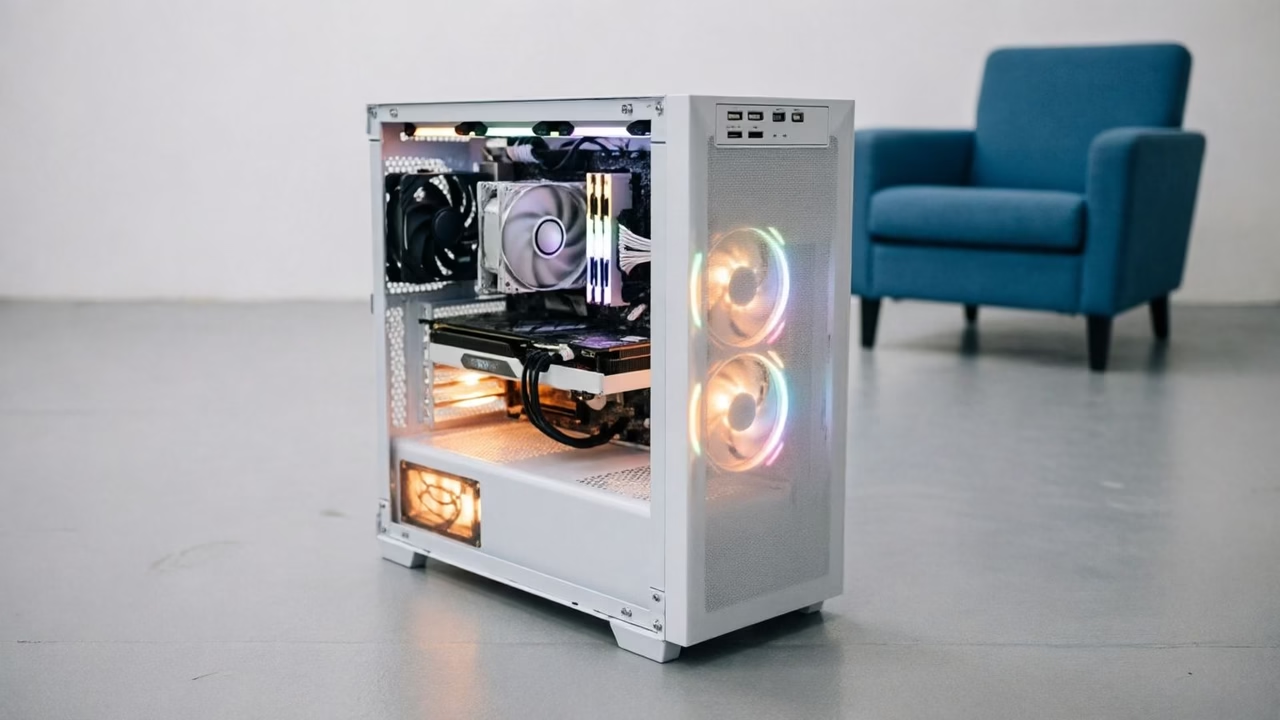
Many PC enthusiasts fall into the trap of prioritizing flashy chassis over internal hardware. According to a recent report by BGR, builders frequently overspend on high-end cases, allocating funds that could yield greater returns elsewhere in the system.
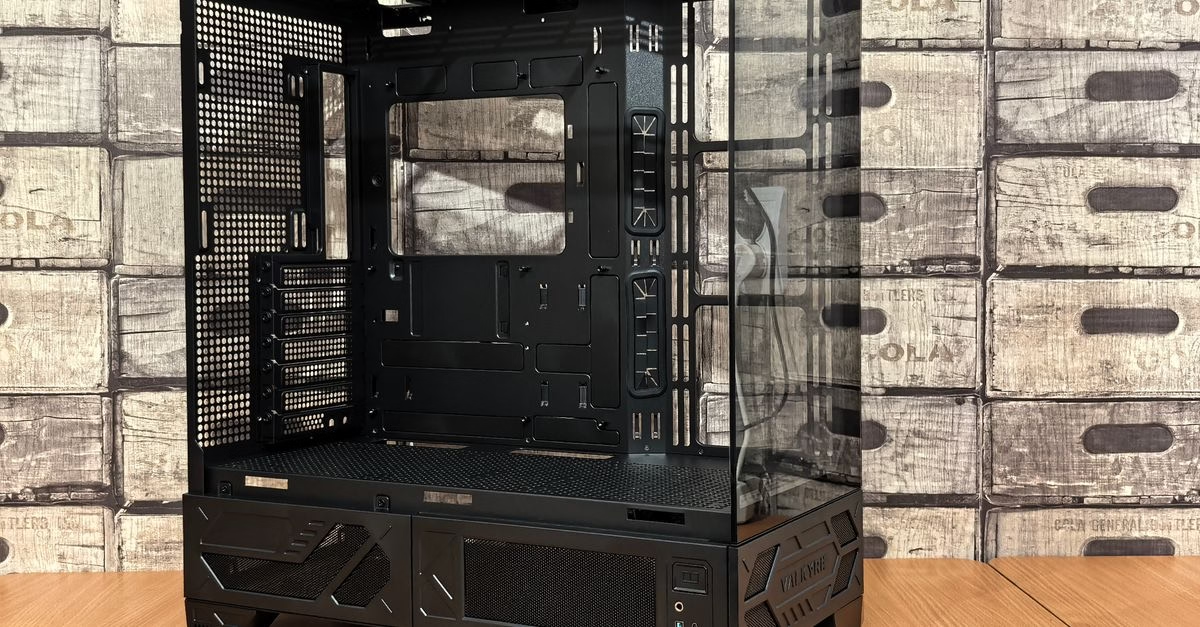
The argument centers on diminishing returns. While premium cases offer aesthetic benefits like tempered glass panels, RGB lighting integration, and specialized airflow designs, these features do not directly enhance processing power or graphical fidelity. The publication suggests that this portion of the budget is often misallocated, leaving less room for critical components such as the GPU, CPU, or storage solutions.
Performance vs. Aesthetics Trade-offs
For Canadian consumers navigating fluctuating hardware prices, every dollar counts. Spending $150–$200 on a case when a $60–$80 option provides adequate airflow and structural integrity represents a tangible loss in potential performance gains. That saved capital can upgrade a graphics card tier, increase RAM capacity, or secure a faster NVMe drive.
Beyond raw specs, reliability matters. Mid-range cases from reputable manufacturers often provide sufficient ventilation and dust filtration without the markup associated with niche design elements. Builders who prioritize function over form tend to achieve more stable thermal profiles and longer component lifespans, ensuring their investment delivers consistent results rather than just looking good on a desk.

Rethinking the Build Priority
The takeaway isn’t that all expensive cases are bad, but that they shouldn’t be the first place to splurge. If your goal is gaming performance or productivity speed, directing budget toward silicon and memory yields measurable improvements. Aesthetics are secondary to functionality.
Builders should evaluate whether the visual appeal of a premium chassis justifies the opportunity cost of downgrading other parts. In most scenarios, it doesn’t. Prioritize the engine, not the paint job.
It’s worth noting that the source doesn’t specify exact dollar thresholds for what constitutes a “high-end” case versus a budget option, nor does it provide data on how much performance gain is actually lost by overspending on aesthetics. The advice remains general: prioritize internal components over external flair.
This guidance assumes you’re building from scratch and have flexibility in your total budget. If you already own a premium case or value its specific features—like sound dampening for a quiet workspace or unique design elements for a visible setup—the cost-benefit analysis shifts. For those cases, the aesthetic or functional perks may justify the expense, even if they don’t boost frame rates.
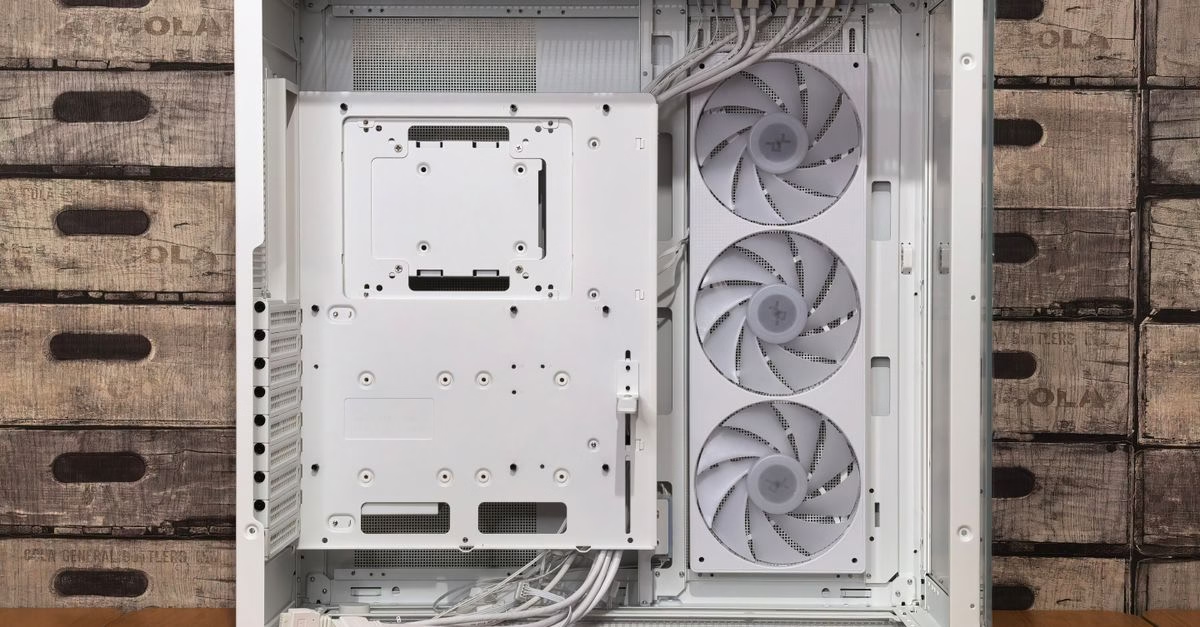
Also, compatibility matters. Some high-end cases offer better cable management or support for larger GPUs and coolers, which can indirectly affect thermal performance and ease of assembly. A cheaper case might restrict airflow or make installation frustrating, potentially leading to suboptimal cooling despite good hardware choices. So while the core message holds—don’t let the case eat your GPU budget—it’s not always as simple as swapping a $200 chassis for a $60 one without checking specs.
Ultimately, this is about opportunity cost. Every dollar spent on non-performance features is a dollar not spent on silicon, memory, or storage. But only you can decide whether the visual appeal or build quality of a pricier case is worth that trade-off.