The Shift Toward Higher Fidelity Standards
The conversation around digital music has shifted from mere accessibility to fidelity. While most listeners have grown accustomed to convenient, compressed audio files, there is a growing segment of consumers seeking the highest possible sound quality. This shift has brought the technical realities of lossless audio into the spotlight, particularly regarding the tangible costs associated with it. The primary focus of this discussion is not just how good the music sounds, but what it actually takes to listen to it properly.
We are looking at the infrastructure required to support these higher standards, which includes data transfer limits, local storage capacity, and the physical equipment needed to reproduce the sound accurately. For many users, the decision to upgrade is no longer just about preference; it is a logistical calculation involving monthly bills and device management.
Understanding Compression Mechanics and File Sizes
To understand the cost, one must first understand the mechanism. Lossless compression works by reducing the size of audio files during processing, but unlike lossy formats, it does so without losing any quality. It creates a perfect copy of the original source data, ensuring that every nuance captured in the studio remains intact. When you play back a lossless file, the decoder reconstructs the exact original waveform.
In contrast, lossy formats like MP3 discard audio data deemed less critical to human hearing to achieve smaller file sizes. This difference in methodology is why lossless files are significantly larger. A single song in a high-resolution lossless format can take up dozens of times more space than its compressed counterpart. This fundamental difference in data integrity is the root cause of the increased resource demands.

Users who switch from compressed to lossless will immediately notice their storage quotas filling up much faster. Similarly, streaming services that offer lossless tiers consume data at a much higher rate, impacting mobile data allowances.

Impact on Canadian Data Plans and Device Storage
For Canadian consumers, the implications of this shift are direct and financial. Many Canadians rely on capped mobile data plans or shared household Wi-Fi connections with limited bandwidth. Streaming lossless audio over a cellular network can drain a monthly data allowance in a matter of hours, leading to overage charges or throttled speeds. Even with unlimited data plans, the speed of connection may be throttled after certain thresholds, making high-bitrate streaming impractical.
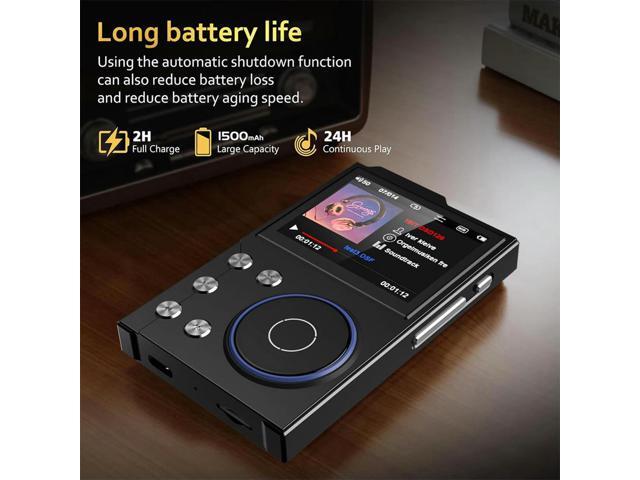
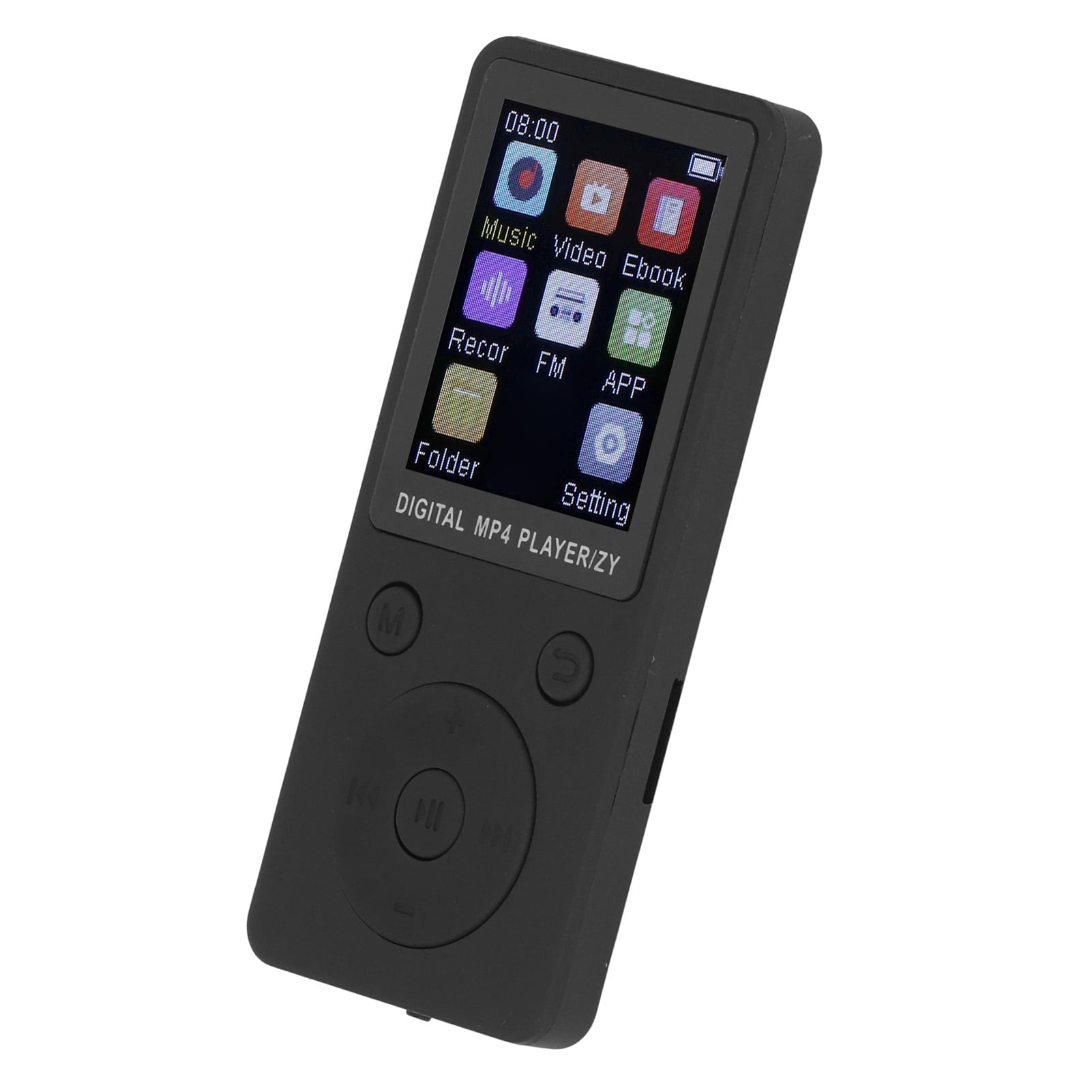
Furthermore, the storage impact is significant for users who build local libraries. As music collections grow, the space required for lossless files can quickly exceed the storage capacity of smartphones and tablets. This forces users to invest in external storage solutions or upgrade their devices more frequently. The hardware requirement is another layer of cost. Not all headphones, earbuds, or speakers can reproduce the full frequency range and dynamic detail that lossless audio offers.
Without compatible gear, the superior file format provides little audible benefit, rendering the additional data and storage costs unnecessary. It is a classic case of diminishing returns if the playback chain is not up to spec.
Hardware Bottlenecks and Practical Constraints
Despite the allure of perfect audio, several limitations prevent universal adoption. The most significant barrier is the variability in playback hardware. Many modern wireless earbuds use Bluetooth codecs that compress audio again before transmission, negating some of the benefits of a lossless source file. To truly experience lossless audio, users often need wired connections or high-end wireless protocols that support high-bandwidth transmission. Additionally, the listening environment plays a role.
In noisy settings such as public transit or busy offices, the subtle details preserved in lossless files may be masked by ambient noise, making the difference between lossy and lossless imperceptible. There is also the issue of convenience versus quality. Managing large libraries of high-resolution files can be cumbersome compared to the seamless streaming of compressed content. For the average listener, the marginal gain in audio quality may not justify the hassle of managing larger files or the expense of specialized equipment.
These practical constraints mean that lossless audio remains a niche choice rather than a default standard for most users.
Weighing Quality Against Resource Consumption
Ultimately, the decision to adopt lossless music comes down to a personal trade-off between audio fidelity and resource consumption. For audiophiles with robust data plans, ample storage, and high-end playback equipment, the investment pays off in a richer listening experience. However, for the majority of users, the costs in terms of data usage, storage space, and hardware compatibility may outweigh the benefits. It is essential to assess your own listening habits and technical setup before committing to lossless tiers or downloads.
Understanding the mechanics of compression helps clarify why these files are larger and why they demand more from your devices. As technology evolves, the gap between compressed and lossless audio may narrow in perceptibility, but the data costs remain a fixed reality. Consumers should proceed with caution, ensuring that their infrastructure can support the quality they seek.