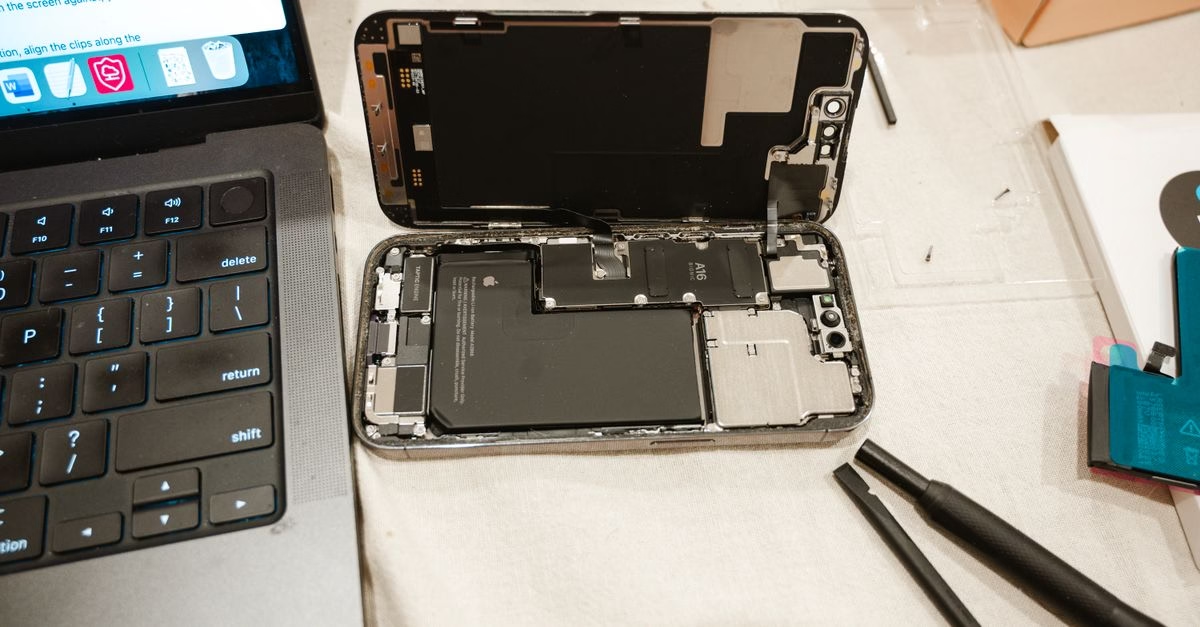
Inside the iPhone 18 Pro camera module
The focus here is iPhone 18 Pro teardown. iFixit has published a detailed video teardown of the newly released iPhone 18 Pro, offering a rare glimpse into the physical construction of Apple’s latest flagship. The primary focus of this analysis is the all-new variable aperture feature, a hardware addition that marks a significant departure from the fixed-aperture lenses found in previous iPhone models. This mechanical innovation allows the camera to physically adjust the amount of light entering the sensor, mimicking capabilities long reserved for dedicated DSLR and mirrorless cameras.
The teardown process itself followed standard procedures, but the team encountered unexpected complexity when reaching the camera assembly. Unlike prior generations where the camera module was a relatively self-contained unit, the iPhone 18 Pro integrates moving parts directly into the lens housing. This structural change necessitates careful handling during any disassembly, as the delicate mechanical components are prone to misalignment if not treated with precision tools and steady hands.
Magnetic actuators drive six-blade aperture
The core of the new optical system relies on six tiny blades that form the aperture diaphragm. These blades are not driven by traditional gears or motors, which would require more space and power. Instead, Apple employs a magnetic actuator to control their movement. This choice of mechanism allows for rapid, precise adjustments while maintaining a compact footprint within the already crowded interior of the smartphone chassis.
During the teardown, iFixit demonstrated the functionality of this system in a striking way. By applying a strong external magnet near the camera module, the technicians were able to manually manipulate the aperture blades. This experiment confirmed the magnetic nature of the actuator and showed that the blades respond directly to magnetic fields. While this is a clever engineering solution for miniaturization, it also introduces potential vulnerabilities to external magnetic interference during normal use or repair scenarios.

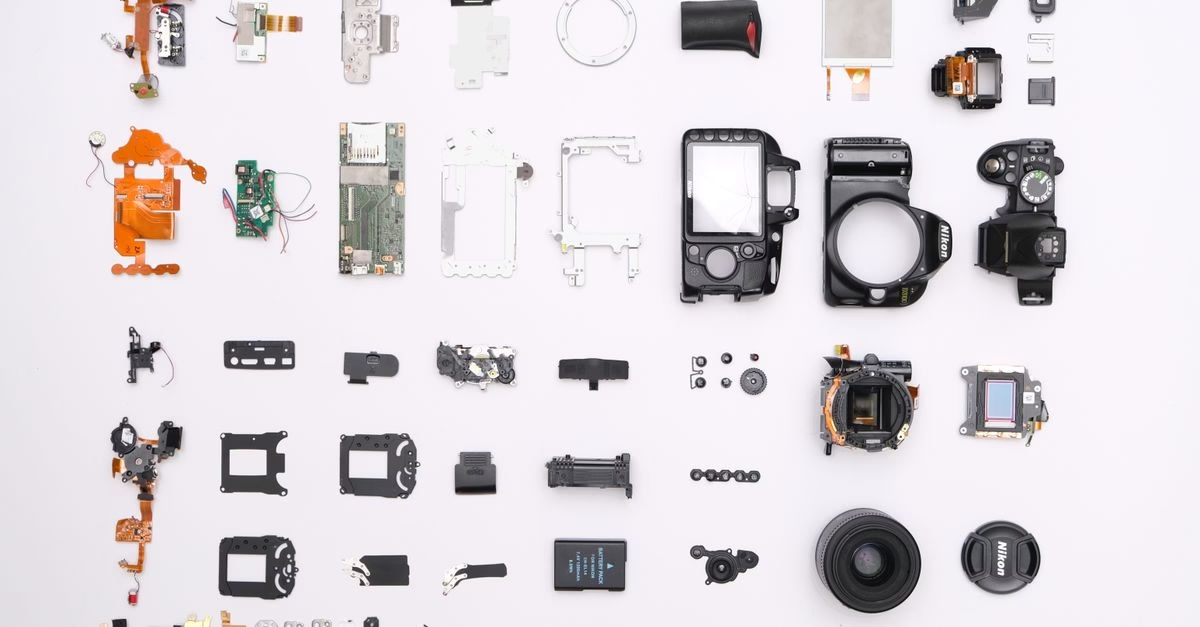
Photographic flexibility meets mechanical fragility
For photography enthusiasts, the variable aperture represents a tangible upgrade in low-light performance and depth-of-field control. By physically stopping down the lens, the iPhone 18 Pro can reduce lens flare and improve sharpness in bright conditions, while opening up completely to gather maximum light in darker environments. This hardware-level control offers advantages over purely computational photography tricks, providing more natural bokeh and better dynamic range retention.
However, this benefit comes with a trade-off in durability. Mechanical parts have finite lifespans and are susceptible to wear, dust, and impact. The inclusion of moving blades inside a device that is frequently dropped, shaken, or exposed to the elements raises questions about long-term reliability. Users must now consider whether the photographic gains justify the introduction of a potential point of failure that did not exist in previous solid-state camera designs.
Repair costs and complexity surge for Canadians
The most immediate practical implication for Canadian consumers is the likely increase in repair costs. The iPhone 18 Pro’s reduced repairability score means that independent repair shops and even Apple Authorized Service Providers will face greater challenges when fixing camera-related issues. A simple lens replacement may now require recalibrating the magnetic actuator or replacing the entire camera module, driving up parts and labour expenses significantly.
For users who rely on third-party repair services, this development is particularly concerning. The specialized tools and knowledge required to handle the magnetic aperture system may limit the number of shops capable of performing reliable repairs. This could lead to longer wait times and higher prices for common fixes like cracked rear glass or damaged camera lenses, effectively pushing more users toward expensive official Apple support channels or full device replacements.
Unanswered questions on longevity and calibration
While the teardown reveals the mechanical structure, it does not provide data on the long-term endurance of the magnetic actuator. It remains unknown how many open-close cycles the blades can withstand before degradation occurs. Additionally, the sensitivity of the system to external magnets poses a risk. Everyday items like MagSafe wallets, car mounts, or other accessories could potentially interfere with the aperture mechanism if not properly shielded, leading to inconsistent performance or permanent damage.
Another limitation is the lack of user-serviceable components within the camera module. Unlike batteries or screens, which have seen incremental improvements in ease of replacement, the camera assembly appears to be a sealed, non-modular unit. This design choice prioritizes thinness and optical alignment over serviceability, leaving users with few options if the aperture mechanism fails out of warranty. Diagnostic tools for these specific mechanical faults are also not yet widely available to independent technicians.
Innovation demands higher maintenance stakes
The iPhone 18 Pro teardown confirms that Apple is willing to introduce mechanical complexity to achieve photographic excellence. The magnetic aperture is an impressive feat of miniaturization, offering real optical benefits that software alone cannot replicate. For professional creators and serious hobbyists, this feature may well be the deciding factor in upgrading to the new Pro model, despite the higher entry price and potential maintenance headaches.
However, for the average consumer, the trade-offs are stark. The reduced repairability and increased fragility mean that owning an iPhone 18 Pro requires a greater commitment to protection and potentially higher insurance premiums. As smartphones continue to blur the line between consumer electronics and precision optical instruments, users must weigh the allure of advanced features against the practical realities of ownership and repair in the Canadian market.