Two Decades of Audio Evolution
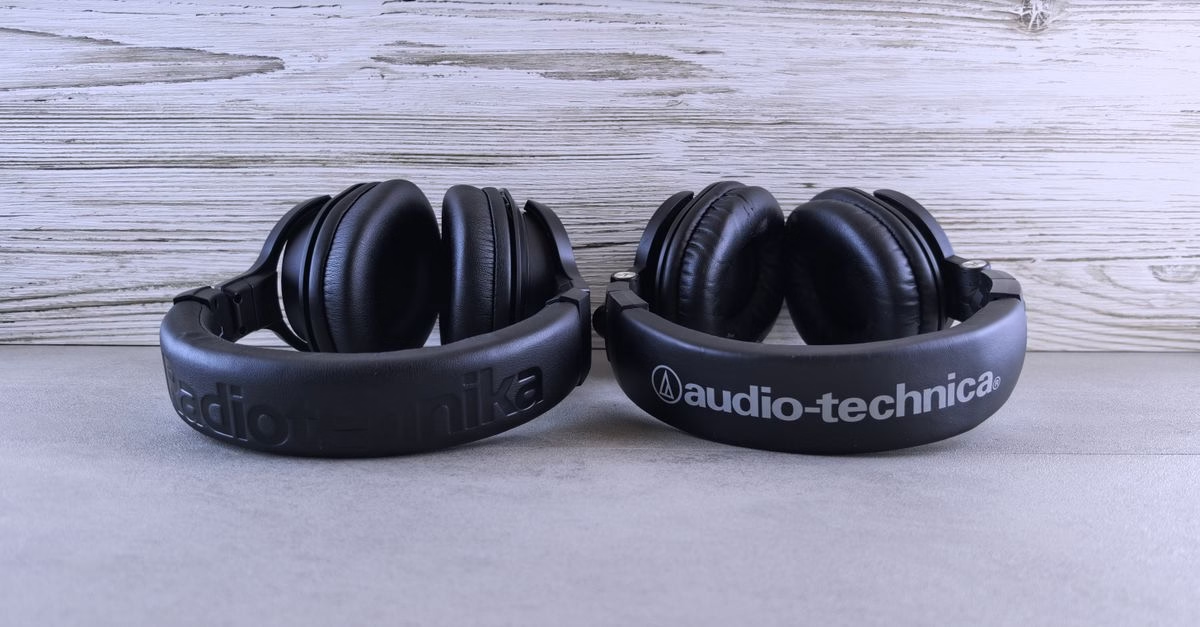
BGR recently published a comparative analysis examining the cost of purchasing headphones in 2006 versus 2026. The report highlights that while audio technology has advanced dramatically, the financial landscape for consumers has shifted in complex ways. Headphones today offer far superior sound reproduction, noise cancellation, and connectivity features compared to their early-2000s counterparts.
The core finding suggests that the definition of “value” in the audio market has changed. In 2006, buyers faced a narrower range of options, often choosing between basic wired models or expensive audiophile gear. By 2026, the market is saturated with mid-range wireless earbuds and high-end over-ear headphones that integrate smart features previously reserved for niche products.
What This Means for Your Wallet
For Canadian consumers, this shift impacts budgeting and purchasing decisions. The proliferation of affordable wireless technology means that entry-level users no longer sacrifice basic functionality for price. However, the premium tier has expanded significantly, with flagship models incorporating health tracking, spatial audio, and extended battery life driving up top-end costs.
Understanding these historical price points helps contextualize current deals. When a major brand releases a new model, comparing its launch price to equivalent 2006 offerings reveals whether you are paying for genuine technological leaps or incremental marketing updates. It also clarifies why used markets remain robust; older, simpler headphones often retain utility without the software bloat of newer devices.

Navigating the Modern Audio Market
The BGR analysis underscores that price alone is no longer a reliable indicator of audio fidelity. While 2026 headphones command higher average prices due to added electronics and R&D costs, they deliver measurable improvements in user experience. Buyers should assess their specific needs—whether it’s pure sound quality, convenience, or ecosystem integration—rather than relying solely on historical cost benchmarks.
As technology continues to evolve, the gap between functional basics and luxury features widens. Staying informed about these trends ensures that your next purchase aligns with actual usage patterns, not just perceived obsolescence driven by marketing cycles.