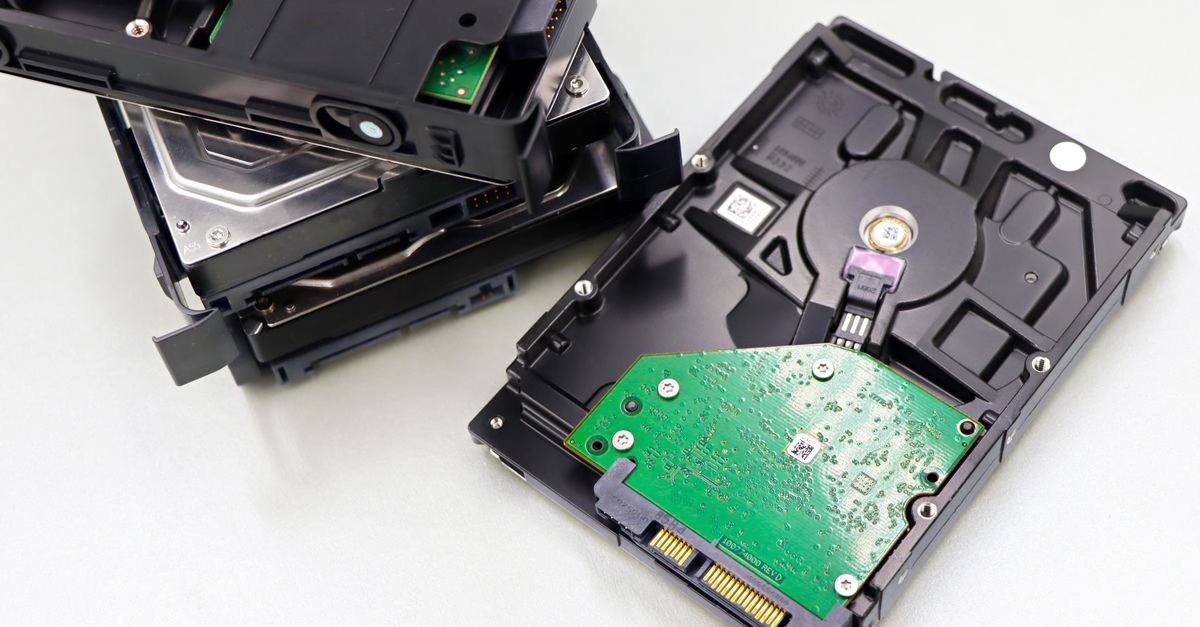
The Dual Pressure on Storage Costs
Hard drive prices have more than doubled, creating a significant hurdle for consumers looking to upgrade or expand their local storage. This sharp increase isn’t just about market speculation; it stems from two distinct but converging pressures: surging demand from artificial intelligence infrastructure and a critical bottleneck in raw material supply.
Reports indicate that AI data centers are aggressively purchasing high-capacity drives, draining inventory that would typically flow to retail channels. Simultaneously, manufacturers face a dwindling supply of helium, a gas essential for sealing the low-friction environment inside modern high-density hard disk drives (HDDs). The source of this helium shortage traces back to production facilities in the Middle East, where output has declined, leaving drive makers with fewer options to maintain current production levels.
Why Your Next Upgrade Will Cost More
For Canadian buyers, this means the era of cheap bulk storage is temporarily on hold. If you’re planning to build a media server, archive family photos, or install a secondary drive for gaming libraries, expect to pay significantly more per terabyte than you did even six months ago. The shift isn’t uniform across all hardware; solid-state drives (SSDs) rely on different materials and manufacturing processes, so they haven’t faced the same specific helium constraint. However, as HDD prices rise, some consumers may look toward SSDs, potentially tightening that market too.
The reliance on helium is a technical necessity for the latest generation of large-capacity drives. Helium-filled drives allow for tighter platter spacing and lower power consumption compared to traditional air-filled models. Without sufficient helium, manufacturers cannot produce these efficient, high-density units at scale. This creates a scenario where the most cost-effective storage solutions per gigabyte become scarce, forcing users to either buy smaller drives more frequently or pay a premium for larger ones.

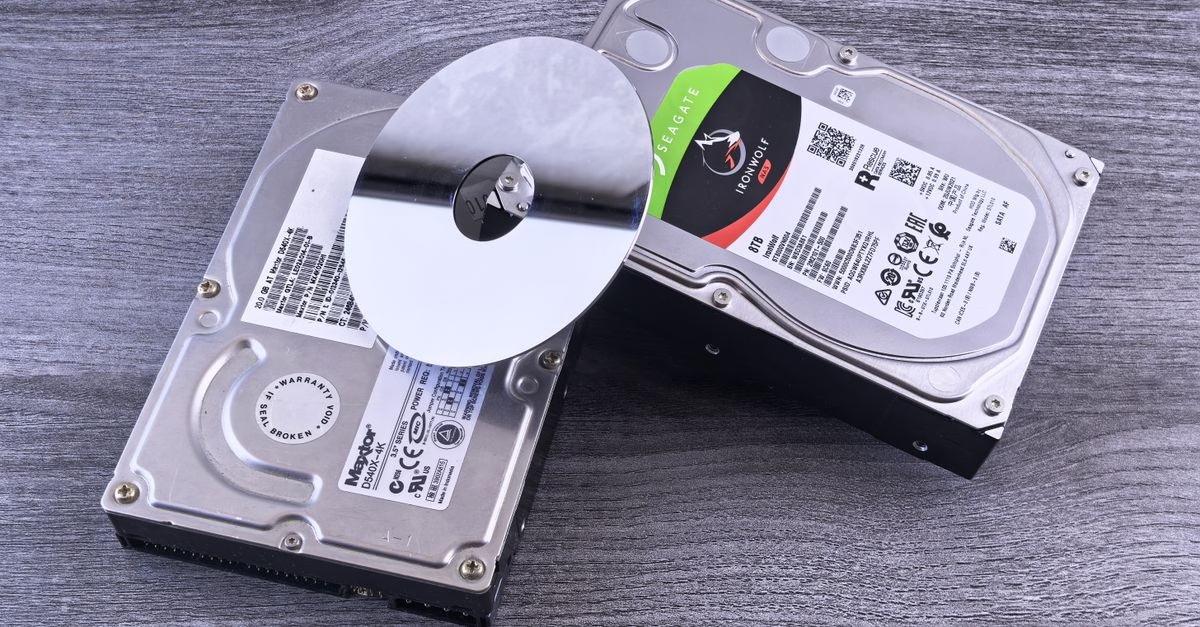
Navigating the Current Market
There is no immediate fix for the helium supply issue, as it depends on geopolitical stability and industrial capacity in regions outside direct consumer control. For now, if you need storage, compare the total cost of ownership between remaining HDD stock and available SSD options. While SSDs carry a higher upfront price per terabyte, their lack of dependence on helium might make them a more stable choice in the short term. Keep an eye on industry announcements regarding new helium sourcing partnerships or alternative sealing technologies, which could eventually ease the pressure on mechanical drive pricing.