
Preview Drivers Land for Select Ally Models
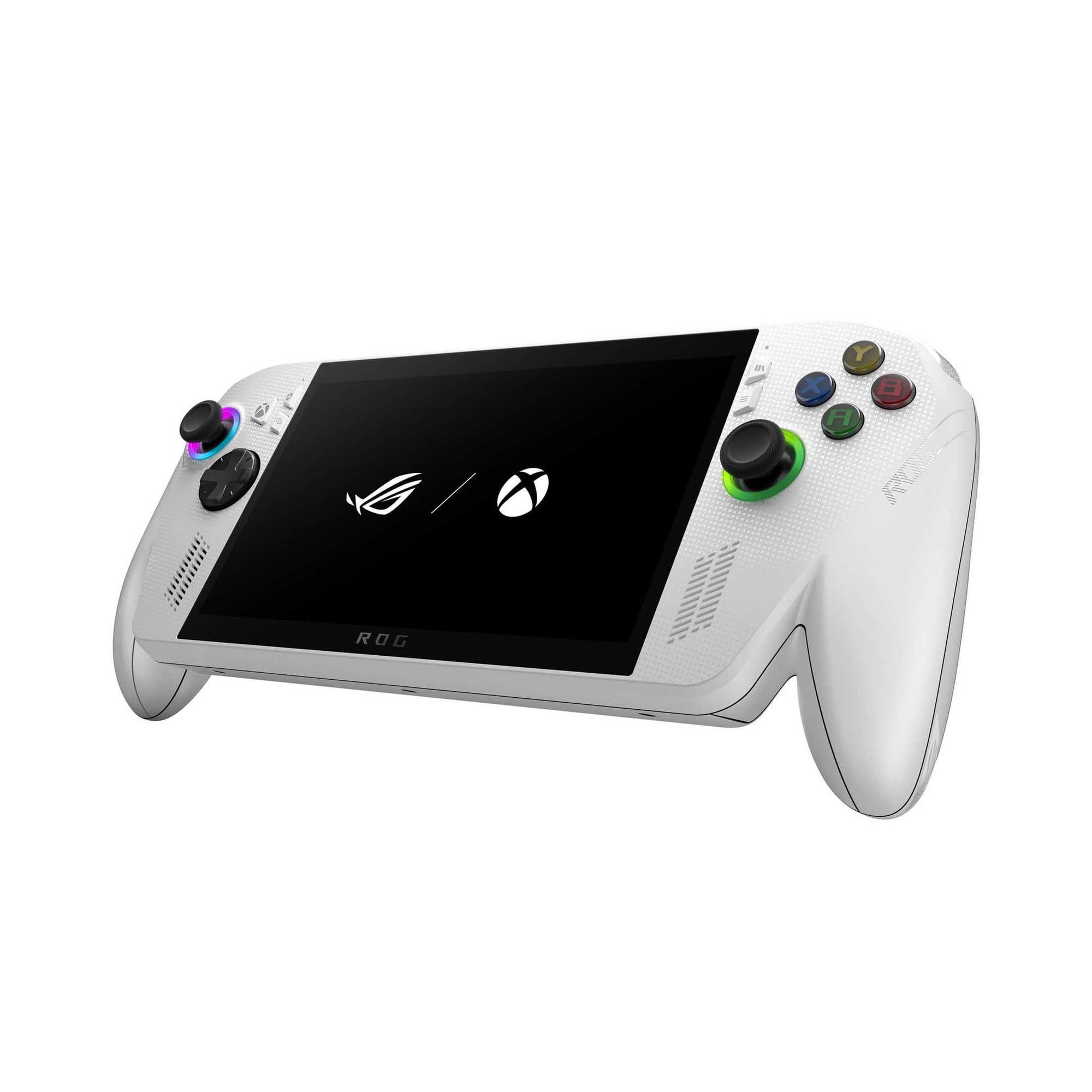

ASUS has officially begun rolling out a preview GPU driver that brings AMD FSR 4.1 upscaling to the ROG Xbox Ally X and ROG Xbox Ally X20 handhelds. This move follows AMD’s recent announcement that FSR 4.1 is expanding across Radeon RX 6000 series GPUs, APUs, and Xbox consoles.
Owners can access this early software through Armoury Crate SE. The process involves navigating to the Update Center and selecting Preview Updates. According to ASUS, the handheld implementation utilizes a lighter model specifically designed for the Ryzen AI Z2 Extreme processor. This new model is reportedly less than half the size of the original INT8 version used in previous iterations.
The update supports over 400 games that already feature compatibility with FSR 3.1 or newer versions. However, enabling the feature requires manual steps beyond just updating the driver. Users must activate FSR within individual game settings and then add the FSR tile in Command Center to switch it on globally.
Optimization Focus Amidst Performance Uncertainty
This release addresses a long-standing gap for handheld enthusiasts. AMD had previously offered no definitive timeline for RDNA 3.5 APU support before confirming FSR 4 availability for APUs by the end of 2026. By bringing FSR 4.1 to the Ally X and X20 now, ASUS provides an interim solution for users seeking improved visual fidelity without waiting for full architectural integration.

The shift to a smaller, optimized model suggests a focus on efficiency for mobile hardware. Running high-end upscaling algorithms on battery-powered devices demands careful resource management. The Ryzen AI Z2 Extreme integration hints at leveraging dedicated NPU capabilities to handle the workload, potentially reducing the strain on the main GPU cores.
However, significant unknowns remain. Neither AMD nor ASUS has published any performance numbers or benchmark results for this preview. Without concrete data, users cannot yet determine if the quality improvements justify any potential impact on frame rates or battery life. Additionally, ASUS warns against combining RSR (the system-level upscaler) with FSR 4.1, as doing so may cause conflicts or degraded output.
Rollout Timeline and Remaining Questions
While the ROG Xbox Ally X and X20 are currently covered, the standard ROG Xbox Ally model is not left behind. ASUS confirms that support for the base model will arrive via a GPU driver update soon, though no specific date has been provided. Meanwhile, Xbox Series X|S consoles are next in line, with reports suggesting they will receive FSR 4.1 in the coming weeks.
For now, this remains a preview experience. ASUS explicitly notes that these updates may still contain bugs, urging caution for those relying on their handhelds for critical gaming sessions. The broader ecosystem continues to expand, with FSR Diamond already teased for Project Helix, indicating that AMD’s upscaling roadmap is far from finished.
Canadian gamers looking to test this technology should weigh the potential visual gains against the lack of verified performance metrics. Until official benchmarks drop, the true value of FSR 4.1 on these specific handhelds remains a matter of user experimentation rather than documented fact.