


The ESA’s New Target: Third-Party ROM Sellers
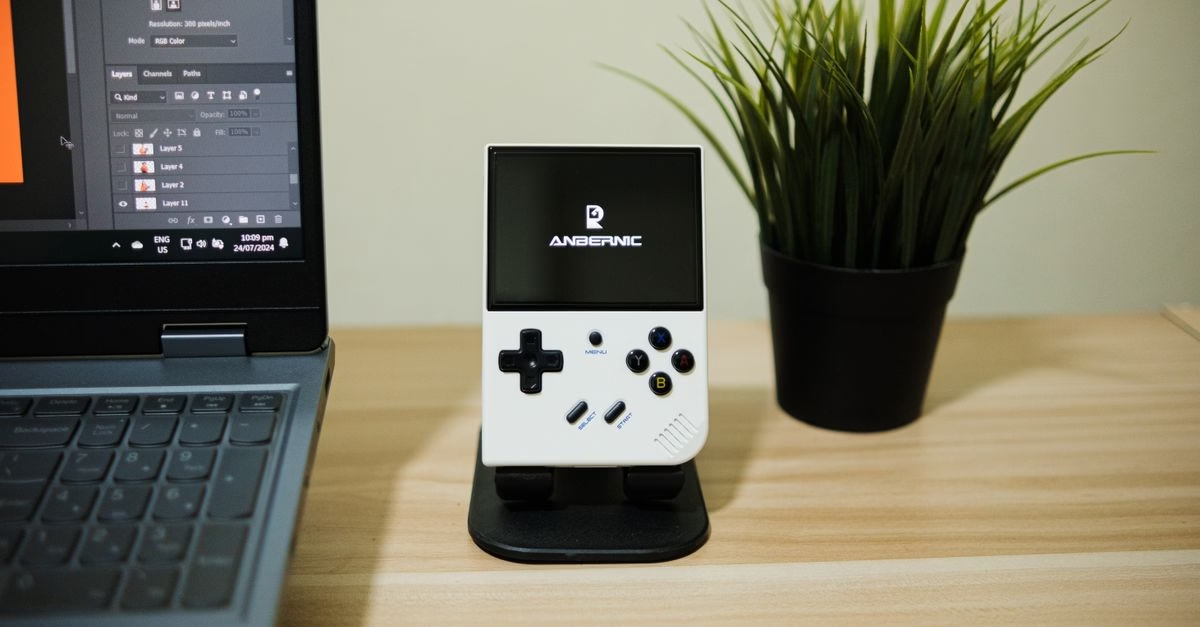
The Entertainment Software Association (ESA) has launched a renewed push against video game piracy, this time focusing squarely on the hardware ecosystem surrounding retro emulation. According to reporting by Ars Technica, the industry group is identifying Anbernic emulation handhelds as significant facilitators of copyright infringement. The announcement marks a strategic pivot from chasing individual downloaders to disrupting the supply chain of physical devices that make piracy accessible to casual consumers.
Crucially, the report clarifies a common misconception about who is responsible for the illegal content. While Anbernic manufactures the handheld consoles themselves, the ESA’s complaint centres on third-party sellers. These independent vendors are routinely selling SD cards pre-loaded with thousands of copyrighted ROMs, effectively turning legitimate gaming hardware into piracy kits out of the box. This distinction is vital because it separates the creation of the device from the distribution of the infringing software.
Navigating the Grey Market for Retro Gaming
For Canadian gamers and collectors, this development underscores the risks associated with purchasing emulation hardware from unofficial channels. The term “superfake” used in coverage suggests a deliberate attempt to bypass legal safeguards, creating a market where consumers might unknowingly purchase devices loaded with illegal content. While owning an empty Anbernic handheld is generally considered a legal grey area depending on jurisdiction and intent, buying a device pre-loaded with pirated games crosses into clear infringement territory.
This enforcement action signals that the ESA is increasingly willing to target the retail end of the piracy ecosystem. It raises practical questions for buyers: if you purchase a device from a third-party marketplace seller rather than the official manufacturer, are you liable for the contents of the SD card? Furthermore, it impacts the broader retro gaming community, which often relies on these affordable handhelds to preserve and play older titles. The crackdown may lead to stricter vetting of online marketplaces or a reduction in the availability of pre-configured units, forcing enthusiasts to source their own media legally.

What Remains Unknown for Buyers
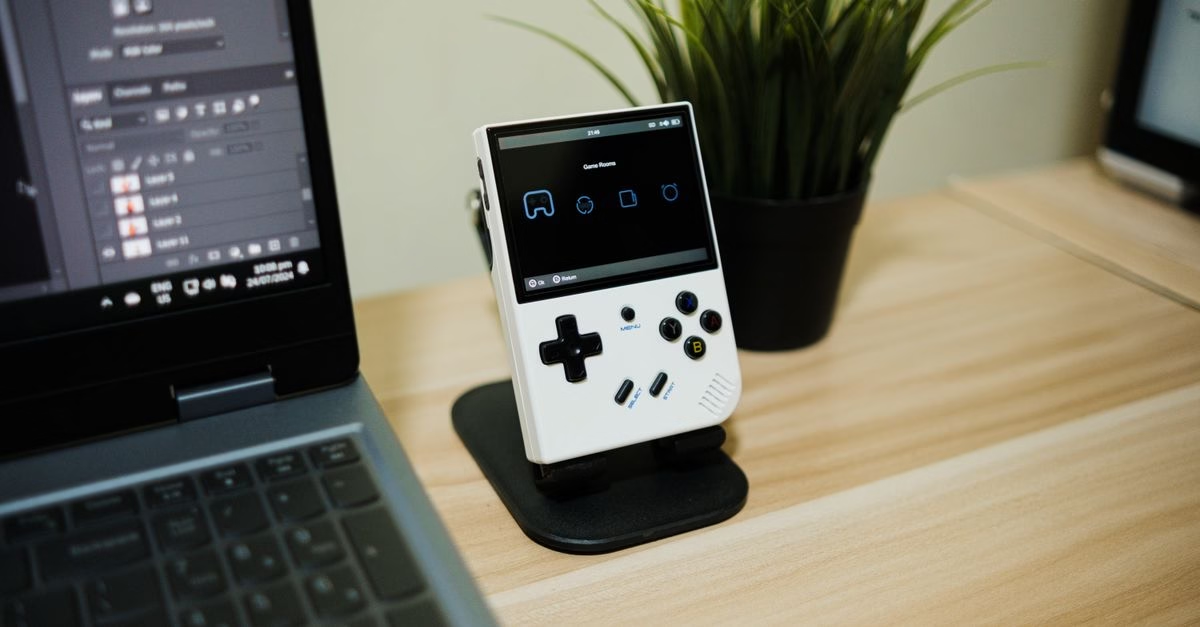
While the ESA’s stance is clear, several details remain unresolved for consumers. It is currently unknown whether Anbernic will alter its manufacturing processes or issue warnings to distributors to prevent pre-loading of ROMs. Additionally, the specific legal mechanisms the ESA plans to use against these third-party sellers have not been fully detailed. Will they pursue takedown notices, civil litigation, or work with customs authorities to seize shipments?
Until more information emerges, the safest approach for Canadian buyers is to purchase hardware from authorized retailers and ensure any SD cards are sourced independently. The line between preserving gaming history and facilitating piracy remains thin, and this enforcement action serves as a reminder that convenience should not come at the cost of intellectual property rights. Consumers should stay tuned for further updates as the ESA likely expands its list of targeted entities beyond just the initial wave of reports.





