
QR Codes Replace Trust in Shared Accounts
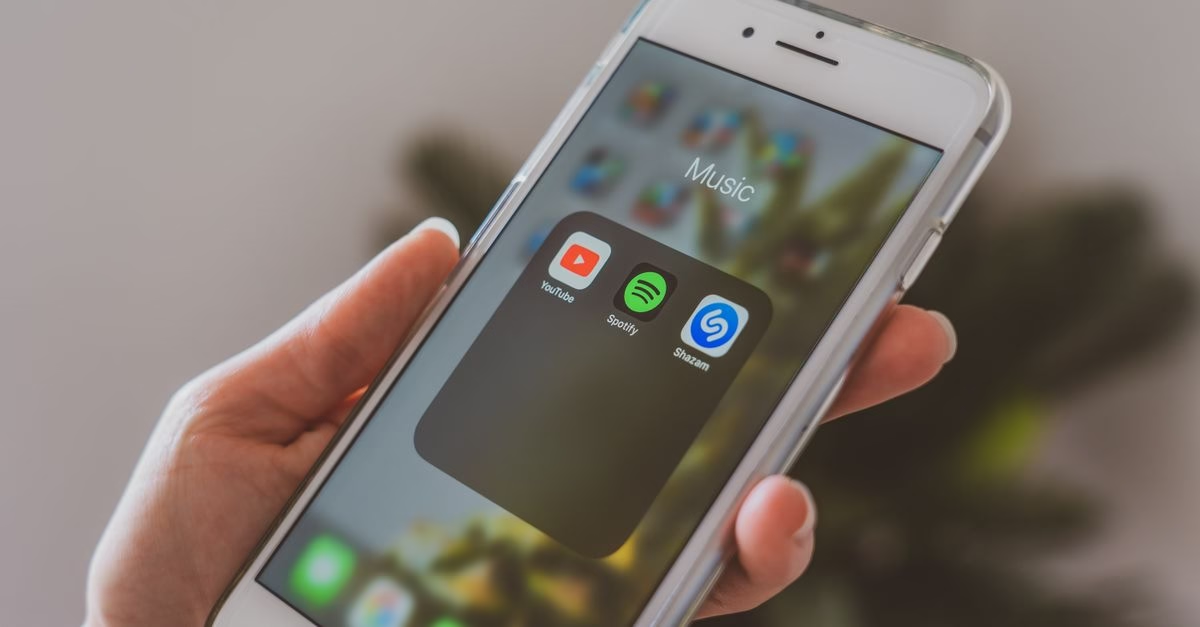
Spotify has intensified its crackdown on Premium Family plan misuse by introducing mandatory QR code verification for subscribers. If you currently share a Spotify subscription under the guise of a family unit, you may soon be required to scan a specific code to prove your eligibility. This shift moves away from passive monitoring toward active, user-initiated proof of residence.
The core requirement remains unchanged: Spotify’s terms state that Premium Family is a discounted plan designed for up to six individuals who actually reside together. However, the method of enforcing this rule has become significantly more rigorous. Previously, many users exploited the system by adding friends or distant relatives who did not meet the cohabitation criteria. Now, the platform demands tangible digital evidence that aligns with the physical reality of the household.
The End of Casual Subscription Sharing
This development matters because it directly impacts millions of users who rely on the cost savings of the Family plan without meeting the strict residency requirements. For years, the ‘family’ label was often treated as a loose social grouping rather than a legal definition of a single household. By implementing QR code checks, Spotify is closing the loophole that allowed roommates, partners living separately, or friend groups to split costs while technically violating the service agreement.
From a business perspective, this enforcement protects Spotify’s revenue model. The Family plan offers significant discounts per user compared to individual subscriptions. When these discounts are applied to non-cohabiting groups, the platform loses potential income from full-price Individual plans. While the policy seems reasonable in concept—ensuring discounts go to actual families—the execution raises privacy and convenience concerns. Users must now navigate a technical hurdle to maintain their existing payment structures, potentially disrupting seamless access for legitimate families who simply haven’t verified yet.
Verify Your Status Before Disruption Hits
Spotify’s new enforcement mechanism signals a broader trend in streaming services tightening controls on shared accounts. As competitors like Netflix and Disney+ have already implemented similar restrictions, Spotify’s move suggests that the era of lax policy interpretation is over. Users should anticipate that failure to comply with the QR code verification could result in account suspension or forced migration to more expensive individual plans.
At present, the exact rollout timeline and geographic scope remain unclear. It is unknown whether this verification will be a one-time check or a recurring requirement. Additionally, the consequences for those who fail to provide valid proof of residence have not been fully detailed in public communications. Consumers relying on shared plans should review their current status and prepare to validate their living arrangements to avoid unexpected service interruptions.