The Specific Issues Reported by Users
Ugreen has built a strong reputation in the consumer electronics market, particularly for its affordable and reliable power delivery solutions. However, recent reports indicate that even well-regarded brands can encounter friction points in daily use. According to coverage from BGR, while Ugreen chargers are broadly considered safe, owners have documented three common problems that tend to surface over time.
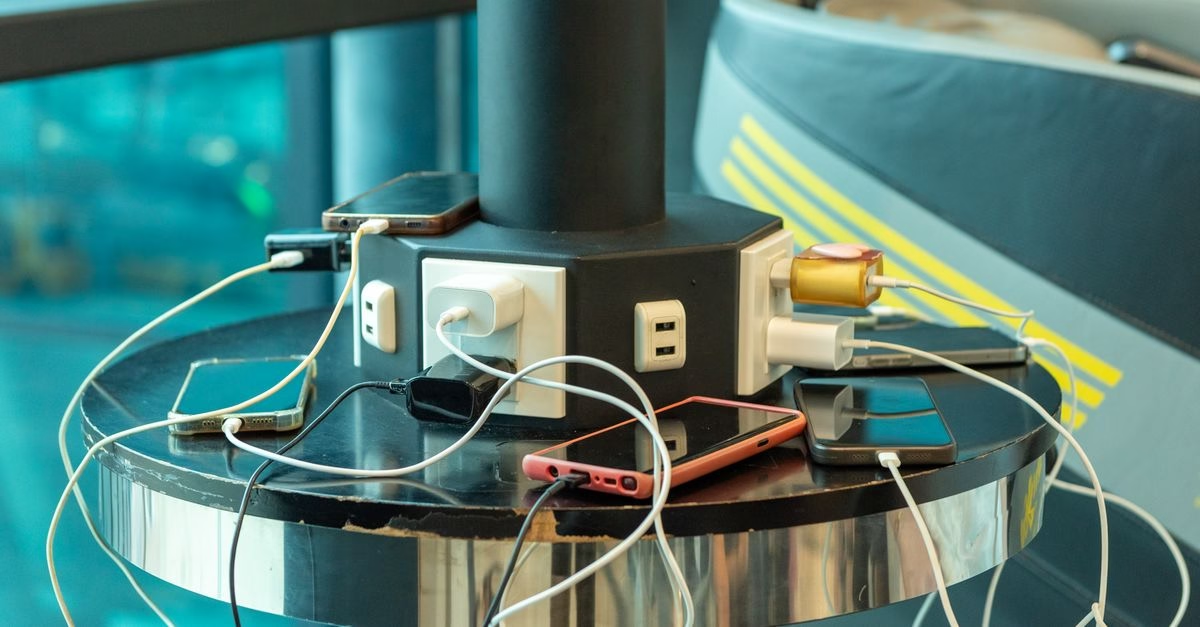
The first issue often cited involves connectivity instability. Users report that certain cables or ports may intermittently disconnect during fast charging sessions, leading to frustration when trying to top up devices quickly. This is not necessarily a defect in the charger itself but can be exacerbated by the quality of the accompanying cable or the port on the receiving device.
A second common complaint relates to heat management. While some warmth is expected during high-wattage charging, several owners have noted that specific Ugreen models run hotter than comparable competitors. This thermal output can trigger safety shutdowns or, in rare cases, degrade the battery health of connected devices if the charger is used in enclosed spaces.
The third prevalent problem is physical durability. The plastic housing on some entry-level Ugreen chargers has been reported to crack or loosen around the prongs after repeated plugging and unplugging. This mechanical wear can compromise the stability of the connection and potentially expose internal components if left unchecked.


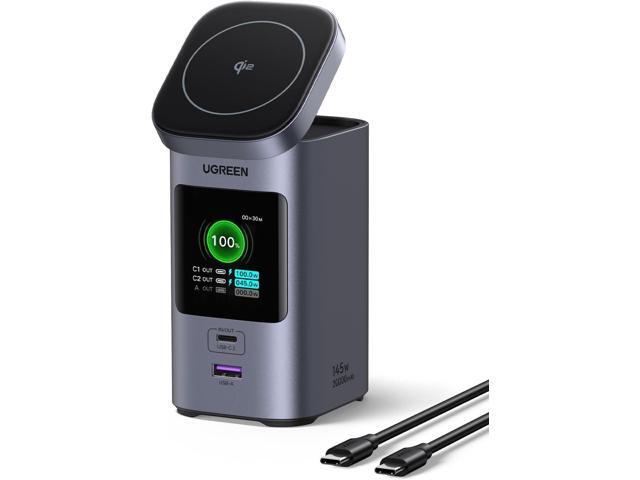
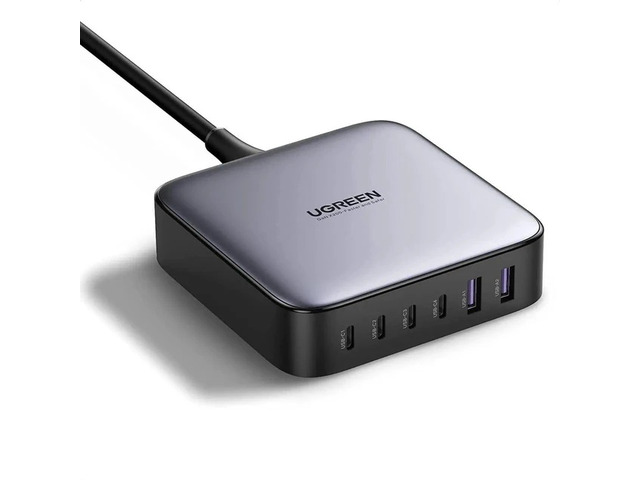
UGREEN Nexode 100W GaN USB C Charger, 4-Port Fast Laptop Charger



Implications for Your Charging Setup
Why should you care about these specific complaints? For Canadian consumers who rely on multiple devices throughout the day, consistent and safe charging is critical. The intermittent connectivity issues mentioned above can disrupt workflows, especially for professionals using laptops or tablets that require steady power input. A sudden drop in charge can force devices into low-power modes, interrupting active tasks.
The heat generation concern is also significant. Lithium-ion batteries are sensitive to temperature extremes. If a Ugreen charger consistently runs hot, it may contribute to accelerated battery degradation in your phone or tablet. Over time, this means reduced battery capacity and shorter runtime per charge, effectively shortening the lifespan of your primary devices.
Furthermore, the durability issues highlight the importance of build quality in budget-friendly tech. While Ugreen offers excellent value, the mechanical wear observed in some units suggests that heavy-use environments might benefit from more robust alternatives. Understanding these limitations allows buyers to make informed decisions rather than discovering flaws after purchase.
It is important to note that these issues do not imply a widespread safety hazard. The source material emphasizes that Ugreen chargers remain generally safe. However, being aware of potential pitfalls like overheating or loose connections enables proactive maintenance. Regularly inspecting cables and ensuring adequate ventilation can mitigate many of these reported problems.
Final Thoughts on Ugreen Reliability
In summary, Ugreen chargers continue to be a solid choice for most consumers, offering good performance at competitive price points. The three common problems identified—connectivity glitches, heat buildup, and physical wear—are manageable with proper usage habits. By choosing the right cable, avoiding enclosed charging spots, and handling the unit with care, users can extend the life of their equipment.
As with any electronic accessory, individual experiences may vary based on the specific model and usage patterns. If you encounter persistent issues, contacting Ugreen support or checking for firmware updates (where applicable) is recommended. For now, the consensus remains that the benefits outweigh the drawbacks, provided users stay vigilant about basic maintenance.