The Hidden Data Inside Retired Robots
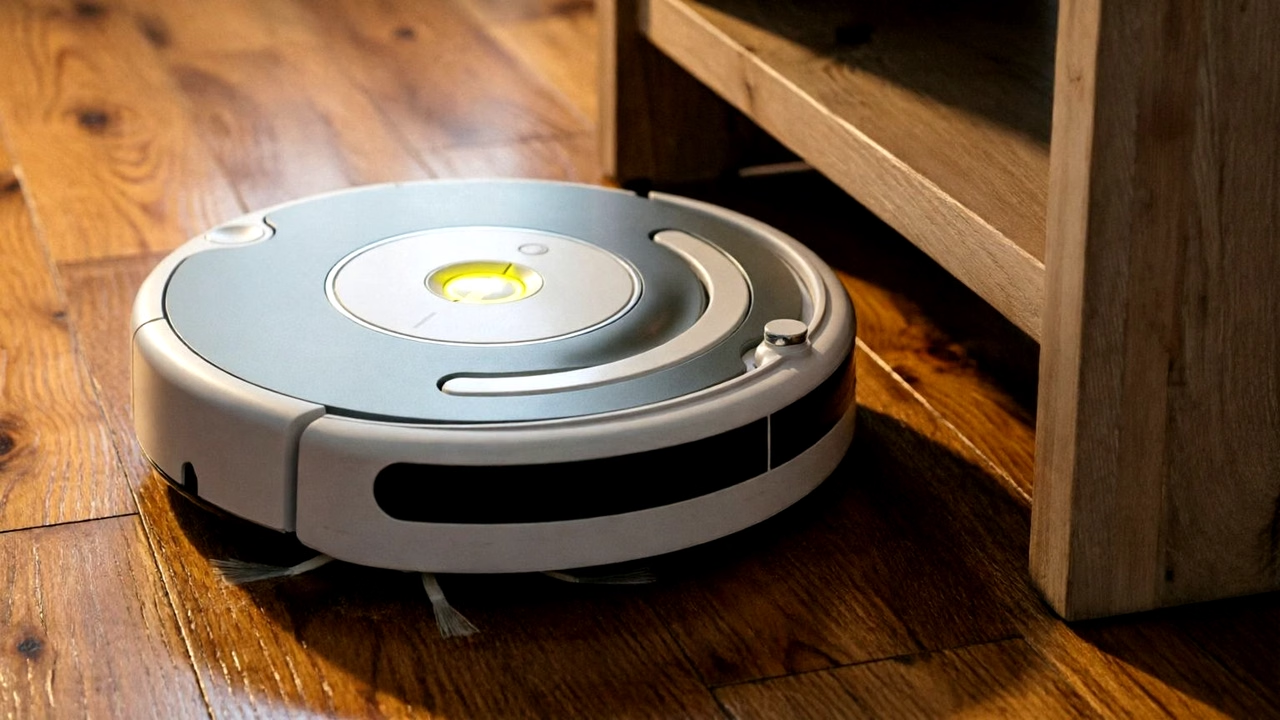
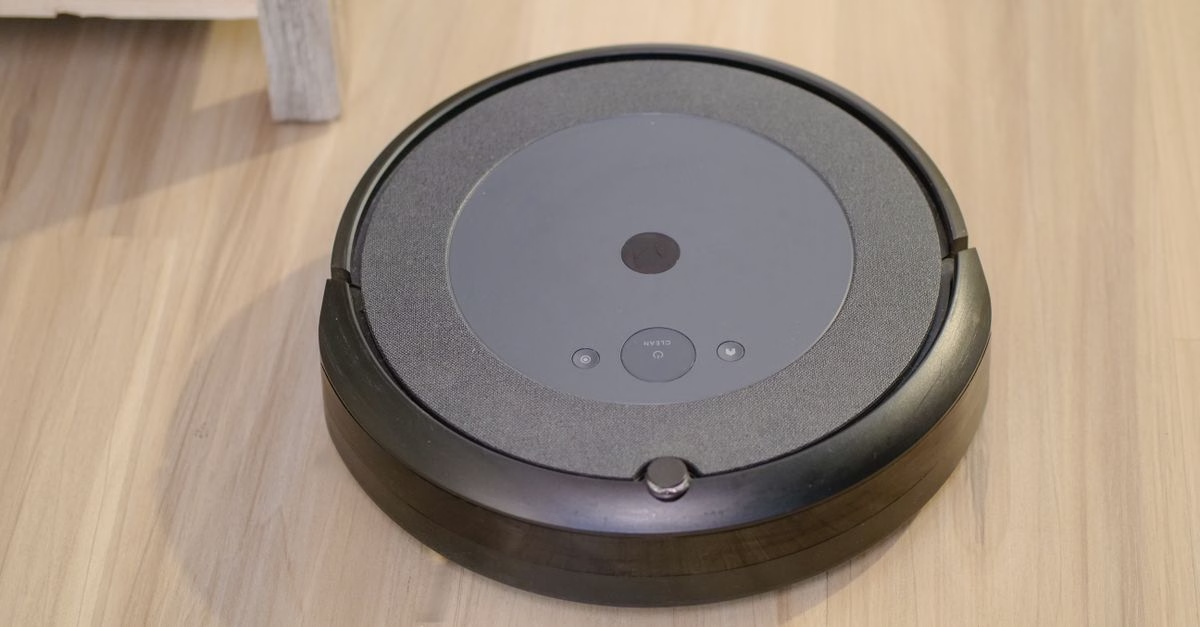
When you decide to part ways with an older Roomba, the physical hardware is only half the story. Recent guidance highlights that these devices are not just simple vacuums; they are sophisticated mapping tools that have spent months or years learning the specific geometry of your living space.
The core issue is persistent storage. Unlike basic appliances that forget settings when powered down, modern robot vacuums cache significant amounts of user-specific data. This includes high-resolution floor plans, room labels, and no-go zones. More critically, the device often retains the SSID and password for the Wi-Fi network it was connected to during its operational life.
If you hand this unit over to a second-hand buyer without clearing it, you are effectively giving them a digital blueprint of your home and access keys to your local network. The advice is straightforward: do not pass the device along until you have performed a complete factory reset to scrub this information from the internal memory.
Privacy Risks Beyond the Vacuum Cleaner
For Canadian households increasingly reliant on smart home ecosystems, the security perimeter extends beyond routers and cameras. A compromised map can reveal more than just furniture placement; it can indicate valuable items, entry points, and daily routines based on cleaning schedules. If a malicious actor gains access to the stored Wi-Fi credentials, they might attempt to bridge into other connected devices on the same network, such as smart locks or thermostats.

This isn’t merely about protecting intellectual property; it’s about physical and digital safety. Many users underestimate the depth of data collection performed by IoT devices. While the primary function is cleaning, the secondary function is constant environmental scanning. Leaving this data exposed turns a convenience product into a potential vulnerability.
The practical implication for consumers is a mandatory step in the ownership lifecycle. Whether you are upgrading to a newer model, moving out, or sending the unit to e-waste, the data wipe is non-negotiable. Ignoring this step exposes personal information to strangers who may have no legitimate reason to know your home’s layout or network details.
Reset Before You Resell
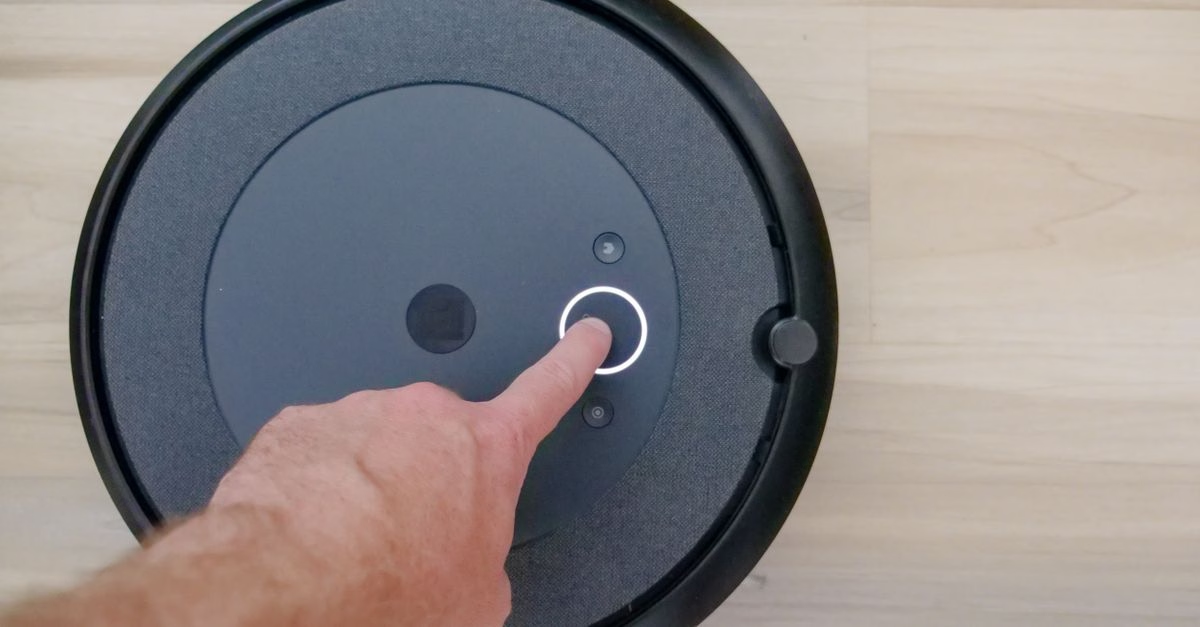
The transition from active use to retirement requires a final act of maintenance: a full system purge. Users must ensure that all cached maps and network configurations are deleted before the device leaves their possession. This simple precaution protects both personal privacy and network integrity.
As smart home adoption grows, the responsibility to manage data hygiene falls on the consumer. Treat your old Roomba like any other device containing sensitive information—wipe it clean before it goes out the door.