


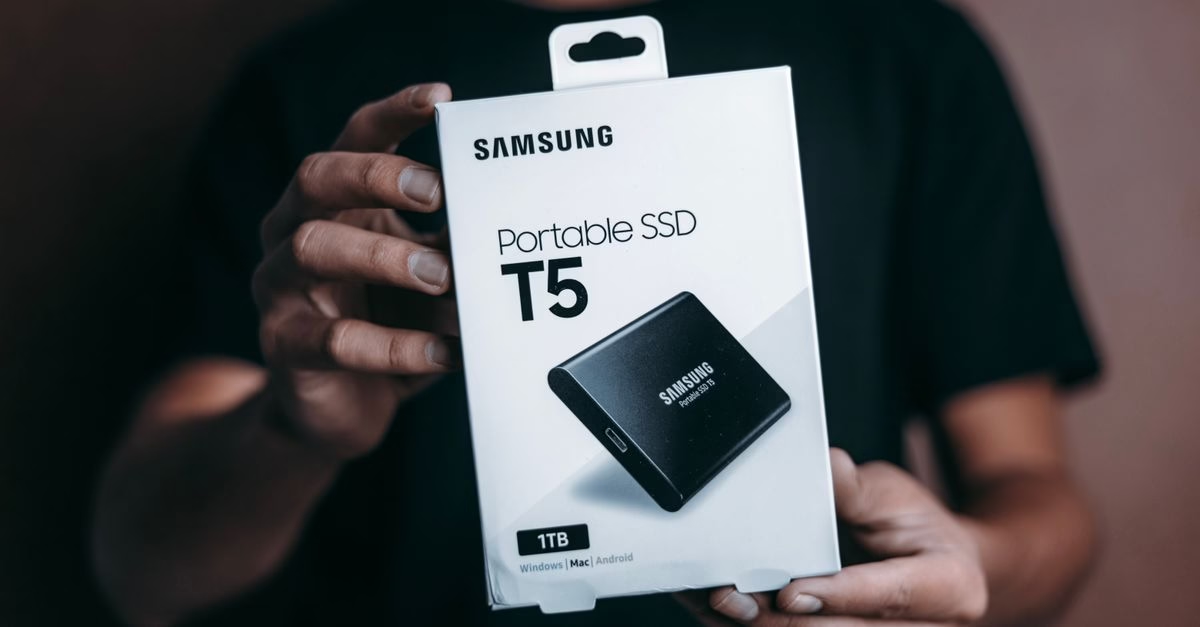
The Current State of Portable Storage Markets
The landscape for portable solid-state drives (SSDs) has shifted dramatically due to an ongoing global memory crisis. Prices for portable SSDs, microSD cards, and associated storage technologies have skyrocketed, making every purchase decision more critical for consumers. This inflationary pressure affects not only AI server infrastructure but also everyday users who need reliable solutions for storing vacation photos, work documents, and personal data.
Industry analysis suggests that simply looking at product specifications is no longer sufficient. Buyers are now advised to seek out real-world benchmark tests and independent reviews that publish sustained write graphs or cache exhaustion data. These metrics provide a clearer picture of how a drive performs under load, rather than just its theoretical maximum speed.
Why Technical Specs Define Value Now
Understanding the internal components of a portable SSD is essential because it directly impacts longevity and performance consistency. The primary recommendation is to avoid drives that use Quad-Level Cell (QLC) flash memory without an adequate DRAM cache. Instead, consumers should look for drives built with Triple-Level Cell (TLC) NAND flash, integrated DRAM caches, and effective thermal management systems, such as internal thermal pads or dynamic thermal throttling.
Physical durability and brand reliability have also become key differentiators. Checking independent hardware reviews for teardowns can reveal which internal controller and NAND flash are actually inside the casing, ensuring you are not paying for marketing hype. Furthermore, warranty terms serve as a proxy for manufacturer confidence; established brands typically offer a minimum three-year warranty, while premium drives often include five years of coverage.

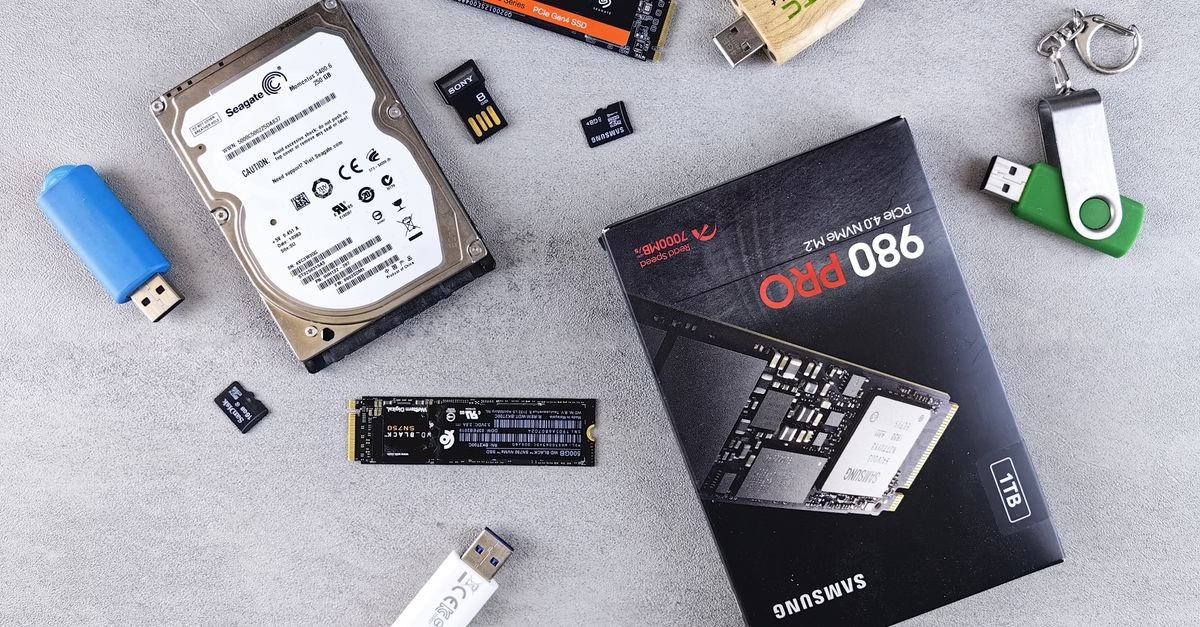
Making Informed Choices in a Tight Market
As the memory shortage continues to impact availability and pricing, the strategy for purchasing portable storage must evolve. Consumers should focus on verified performance data, appropriate NAND types, and robust warranty support rather than chasing the lowest price per gigabyte. By prioritizing these factors, buyers can secure devices that maintain their speed and reliability over time, even as market conditions fluctuate.





