Version 2.2.0 Delivers the Fix
Nintendo has quietly pushed an update to the Nintendo Classics GameCube application that finally addresses one of the most persistent complaints from subscribers. Version 2.2.0 removes the artificial black borders that previously surrounded the gameplay area on modern displays.
This change comes nearly seven years after the initial launch of the Nintendo Switch Online service, which began offering NES and SNES titles in 2018. While the addition of GameCube games was a major milestone for the subscription tier, the visual presentation remained constrained by these borders until now.
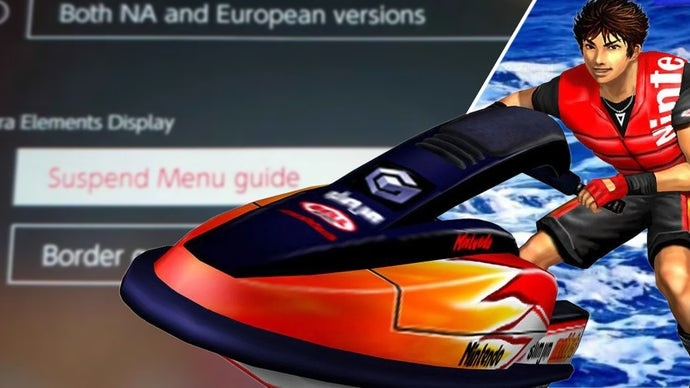
Alongside the border removal, recent coverage indicates that Wave Race: Blue Storm has been added to the library. This release serves as a timely example of the improved visual fidelity, allowing the game’s water effects to fill more of the screen space without the previous framing distractions.
Better Immersion for Classic Titles
For years, players argued that the borders detracted from the immersion of GameCube classics, particularly on larger television screens where the empty space felt disproportionately large. The removal of these frames allows the original aspect ratio to expand naturally, making the games feel less like they are being viewed through a letterbox.

This update is strictly technical; it does not alter the core emulation performance or add new graphical enhancements beyond the border removal. However, for a service built on nostalgia, visual authenticity matters. By eliminating the unnecessary black bars, Nintendo aligns the presentation closer to how many users remember experiencing these titles on CRT televisions or early flat panels.
The timing suggests Nintendo is refining the user experience rather than overhauling the backend. It signals a willingness to address community feedback, even if the response time spans several years. For subscribers paying monthly fees, small quality-of-life improvements like this help justify the ongoing cost of access to legacy hardware libraries.
A Small Step, A Long Wait
While the border removal is a minor patch in the grand scheme of software development, it resolves a specific friction point that has annoyed gamers since the feature’s inception. It proves that Nintendo is still actively maintaining and tweaking the emulation layer for its subscription service.
It remains unclear if this update includes other hidden adjustments to input latency or audio processing, as the official notes focus primarily on the visual framing. For now, players can enjoy their existing GameCube library with a cleaner view, though the wait for such a simple fix highlights the slow pace of iterative updates for retro content.