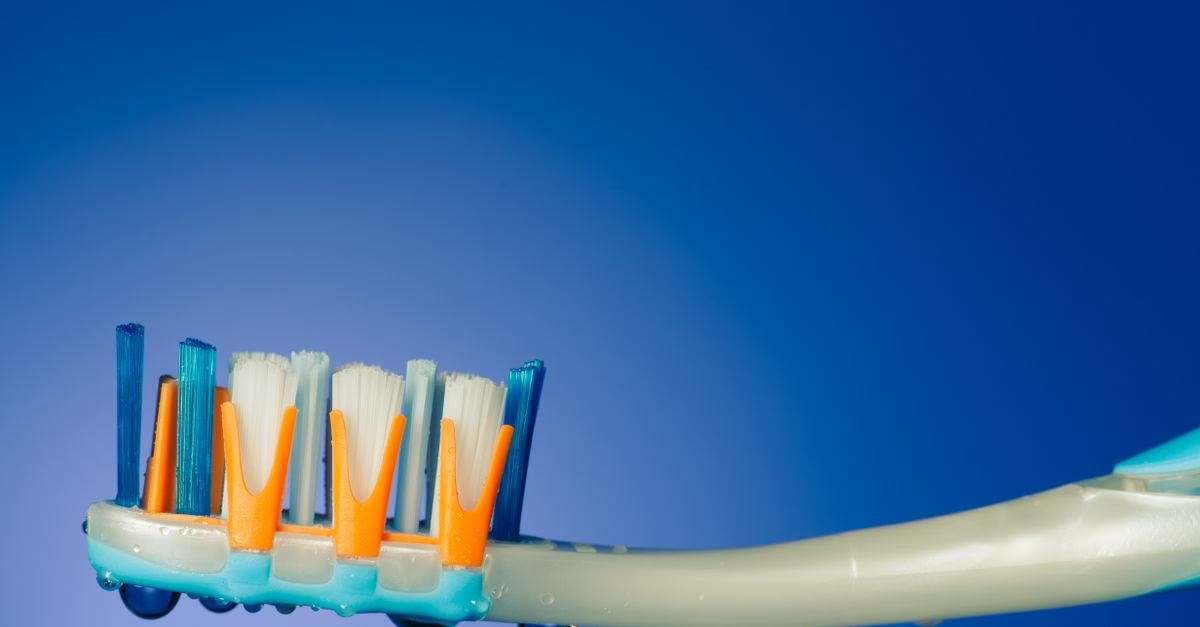
The Sudden Disappearance of Dyson’s Premium Brush
The focus here is Dyson Oralcare defect. Dyson has executed a quiet but total withdrawal of its Oralcare toothbrush from the market. The device, which launched with a staggering price tag of $500, is no longer available through official Dyson channels or major third-party retailers. This removal was not preceded by a public press release or a widespread consumer alert, leading to confusion among early adopters and tech observers who noticed the sudden inventory void.
The confirmation of this pull comes directly from Dyson, though the messaging remains notably vague. The company admitted that a component issue affects the device’s waterproofing capabilities. However, they have stopped short of issuing a formal recall notice that typically details safety hazards, replacement procedures, or refund mechanisms. Instead, the product simply vanished from shelves, creating an information vacuum that has fueled speculation about the severity of the defect.
Engineering Complexity Meets Bathroom Humidity
The Dyson Oralcare was marketed as a technological leap in dental hygiene, featuring sonic vibration technology and smart sensors designed to optimize brushing patterns. To support these features, the device houses complex electronics within a handheld unit that is constantly exposed to water, toothpaste, and humidity. Waterproofing such a device requires rigorous sealing of every internal junction, battery compartment, and sensor array to prevent moisture ingress.
When a manufacturer cites a waterproofing failure in a high-voltage device like this, it usually points to a breakdown in gaskets, adhesive seals, or housing integrity. Water entering the main body can cause short circuits, battery degradation, or even thermal events. The fact that Dyson identifies a single component as the culprit suggests a manufacturing tolerance issue or a material fatigue problem rather than a fundamental design flaw, though the lack of transparency makes it difficult to verify this claim independently.

The Price of Prestige in Personal Care
This incident highlights the growing tension between tech innovation and basic reliability in the personal care sector. Consumers paying $500 for a toothbrush expect not just superior cleaning performance, but bulletproof durability. When a premium product fails at a fundamental level like water resistance, it undermines the value proposition entirely. It suggests that Dyson may have prioritized feature density over robust environmental sealing, a common pitfall in overengineered consumer gadgets.
Furthermore, the silence surrounding the specific failure mode raises questions about corporate accountability. In an era where right-to-repair and consumer transparency are gaining momentum, withholding technical details about a known defect feels antiquated. Buyers deserve to know if their device poses a safety risk or merely a functional inconvenience. The lack of clarity prevents users from making informed decisions about whether to continue using existing units or seek immediate refunds.
What Current Owners Should Do Right Now
If you own a Dyson Oralcare toothbrush, the immediate practical step is to stop using it in wet environments. Until Dyson provides clearer guidance, treating the device as potentially compromised is the safest course of action. Check your email for any direct communications from Dyson, as they may be handling replacements on a case-by-case basis rather than through a public portal. Keep your proof of purchase handy, as standard warranty claims may be the only current route for resolution.
For those considering purchasing a high-end electric toothbrush, this situation serves as a cautionary tale. Look for brands with established track records in waterproofing and transparent recall histories. While Dyson is known for engineering prowess, this episode demonstrates that brand prestige does not guarantee immunity from basic hardware failures. Diversifying your trust away from a single tech giant for essential daily tools might be a prudent strategy until more information emerges.
The Information Black Hole
The most frustrating aspect of this development is the sheer lack of detail. Dyson has not specified which component is failing, nor have they explained why the waterproofing breach occurs. Is it a batch-specific issue? Does it affect all units produced since launch? Without this data, it is impossible to assess the scale of the problem. This opacity prevents independent experts from analyzing the risk and offering tailored advice to consumers.
Additionally, there is no clear timeline for a fix or a re-release. Will Dyson redesign the component and return the product to market? Or will they quietly discontinue the line entirely? The absence of a roadmap leaves customers in limbo. This uncertainty is particularly problematic for a product at this price point, where buyers expect white-glove support and clear communication during crises. The current approach feels more like damage control than customer care.
A Costly Lesson in Overengineering
Dyson’s handling of the Oralcare defect reveals the vulnerabilities of pushing consumer electronics into domains traditionally dominated by simpler mechanical devices. A toothbrush does not need smart sensors if it cannot keep water out of its battery pack. The $500 price tag promised a revolution in oral health, but the reality is a halted rollout and a confused customer base. This incident will likely serve as a case study in how not to manage a product failure in the premium segment.
Moving forward, Dyson must decide whether to restore trust through transparency or retreat from the category. For consumers, the lesson is clear: verify the basics before buying into the hype. Waterproofing is not a luxury feature; it is a fundamental requirement for any bathroom appliance. Until Dyson clarifies the nature of this defect, the Oralcare remains a costly experiment that failed its most basic test.