
The Scope of Vehicle Data Exposure
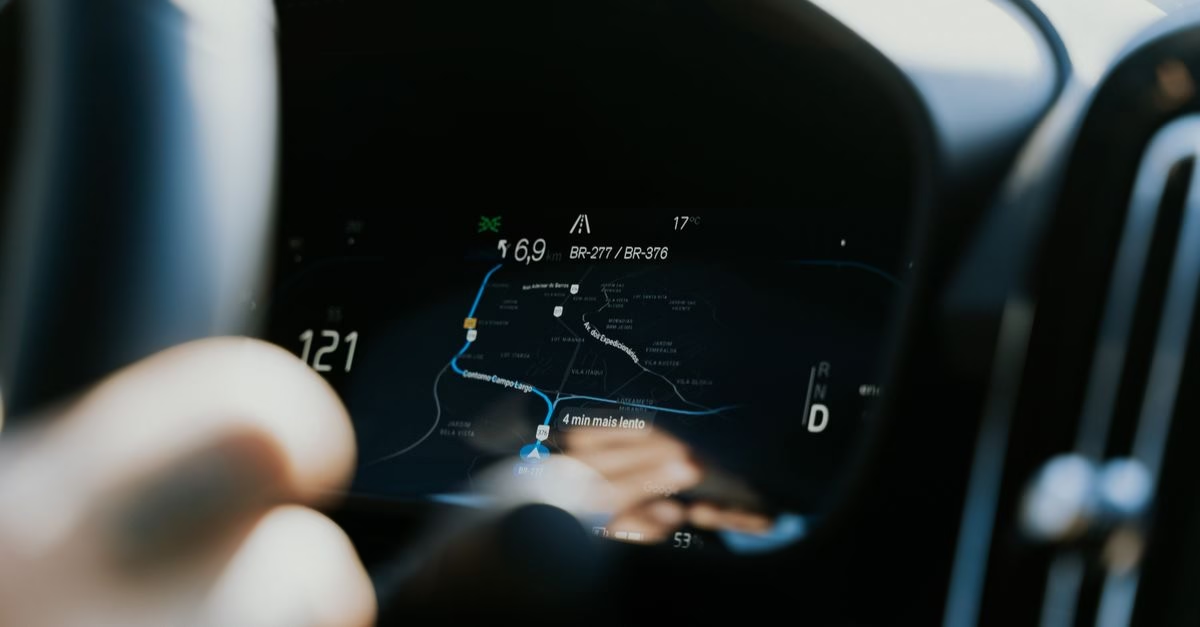
A new study examining the data practices of connected vehicles has uncovered widespread information sharing between automakers, their companion applications, and external entities. The research indicates that the digital ecosystem surrounding modern cars is far more expansive than many drivers realize. Between the vehicle’s internal systems and the smartphone apps used to control features like remote start or climate control, users are exposed to a significant number of trackers.
The investigation focused on how and with whom these vehicles share personal information. It found that the integration of software into hardware has created multiple points where data can be collected, stored, and transmitted. This includes location history, driving habits, and even biometric data in some advanced models. The study serves as a comprehensive look at the current state of data privacy within the automotive sector, highlighting gaps in transparency and user consent.
Implications for Driver Privacy and Security
For Canadian consumers, these findings underscore a critical vulnerability in everyday technology. When a vehicle shares data with third parties, it often happens without clear, understandable notification to the driver. This lack of transparency means that personal movements and routines can be tracked, aggregated, and potentially sold to advertisers or other data brokers.
The concern extends beyond mere inconvenience. Detailed driving data can reveal sensitive information about health conditions, religious affiliations based on places visited, and daily schedules. If this data is compromised or misused, the consequences for individual privacy are severe. Furthermore, the interconnected nature of these systems means that a breach in one area, such as the companion app, could potentially expose data linked to the vehicle itself.

This situation reflects a broader trend in consumer tech where convenience often comes at the cost of privacy. As vehicles become more connected, the boundary between personal transportation and personal computing blurs. Drivers need to be aware that their car is not just a machine but a data-gathering device that operates within a complex web of corporate interests.
Navigating the Connected Car Landscape
The study concludes that while connected cars offer undeniable benefits in terms of safety and convenience, the current approach to data privacy is insufficient. Automakers must adopt more robust privacy-by-design principles and provide clearer options for users to control their data.
Until regulatory frameworks catch up with technological advancements, drivers should take proactive steps to protect their information. This includes reviewing privacy settings in both the vehicle and its companion app, limiting data sharing permissions, and staying informed about updates to privacy policies. The goal is to balance the utility of connected features with the fundamental right to privacy.
As the automotive industry continues to evolve, the conversation around data ownership will only grow in importance. Consumers have the power to demand better standards, and increased awareness is the first step toward holding companies accountable for how they handle personal information.