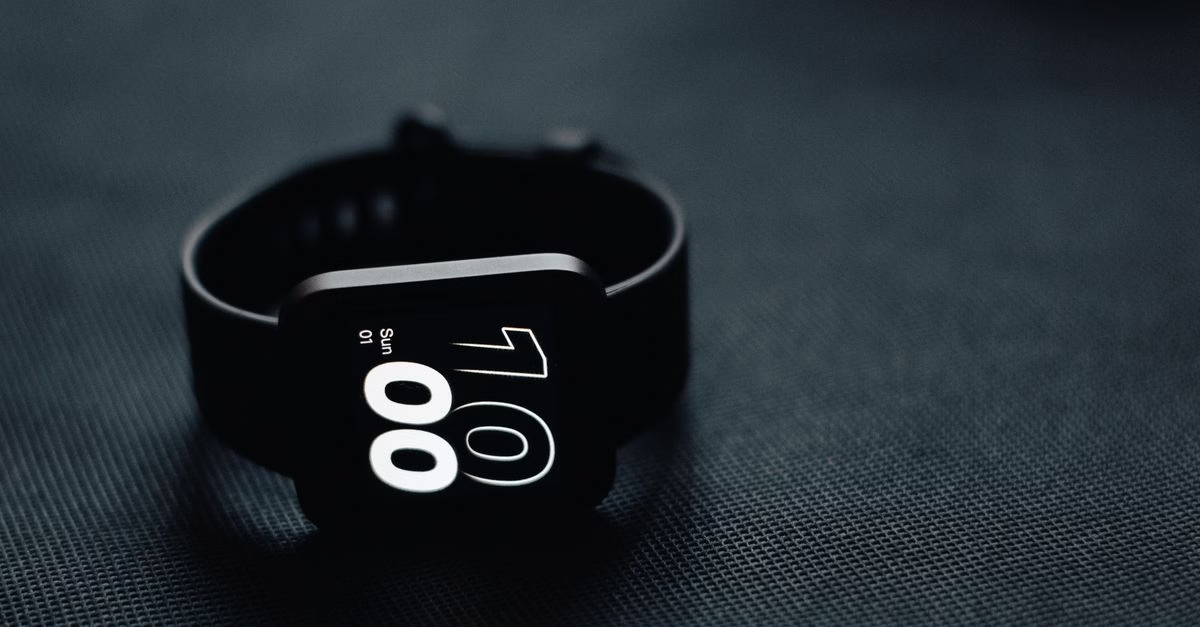
The Core Question Behind Amazfit Durability
Recent consumer discussions have highlighted a growing curiosity regarding the operational longevity of Amazfit smartwatches. As the brand establishes itself as a prominent budget alternative in the crowded wearable market, potential buyers are increasingly scrutinizing the trade-offs between affordability and long-term reliability. The primary inquiry driving this interest is straightforward: given the lower entry price point, how many years can a user realistically expect from their device before performance degrades or failure occurs?
The available reporting from BGR frames this investigation around the contrast between Amazfit’s value proposition and the established reputations of higher-tier manufacturers. While specific statistical averages for device failure rates or total years of service were not explicitly quantified in the source material, the coverage underscores that lifespan is a critical decision factor for consumers who cannot afford to replace their wearable every two years. The discussion serves as a baseline for understanding where Amazfit sits in the broader context of wearable technology endurance.

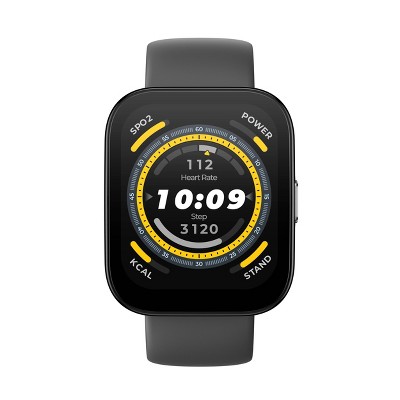
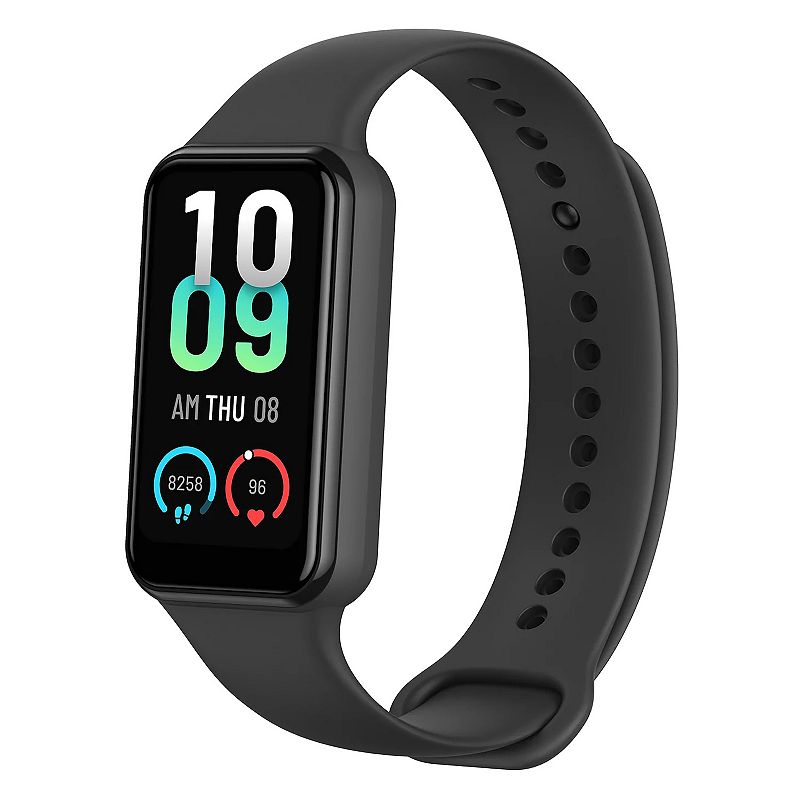
Why Longevity Defines Value in the Budget Segment
Understanding the lifespan of a budget smartwatch is essential because it directly impacts the total cost of ownership. For Canadian consumers and global users alike, the appeal of Amazfit lies in its ability to deliver core fitness tracking, notification syncing, and basic health monitoring features without the premium price associated with Apple Watch or Samsung Galaxy Watch ecosystems. However, if a device fails after only one year, the savings are negated by the need for immediate replacement.
The durability of these devices also hinges on component quality, particularly the battery. In budget electronics, battery degradation is often the first sign of end-of-life, leading to reduced usage time between charges. Furthermore, software support plays a role; a watch that receives regular updates remains secure and functional longer than one left stranded on outdated firmware. By examining these factors, readers can better assess whether the initial discount translates into genuine long-term value or merely a short-term solution.

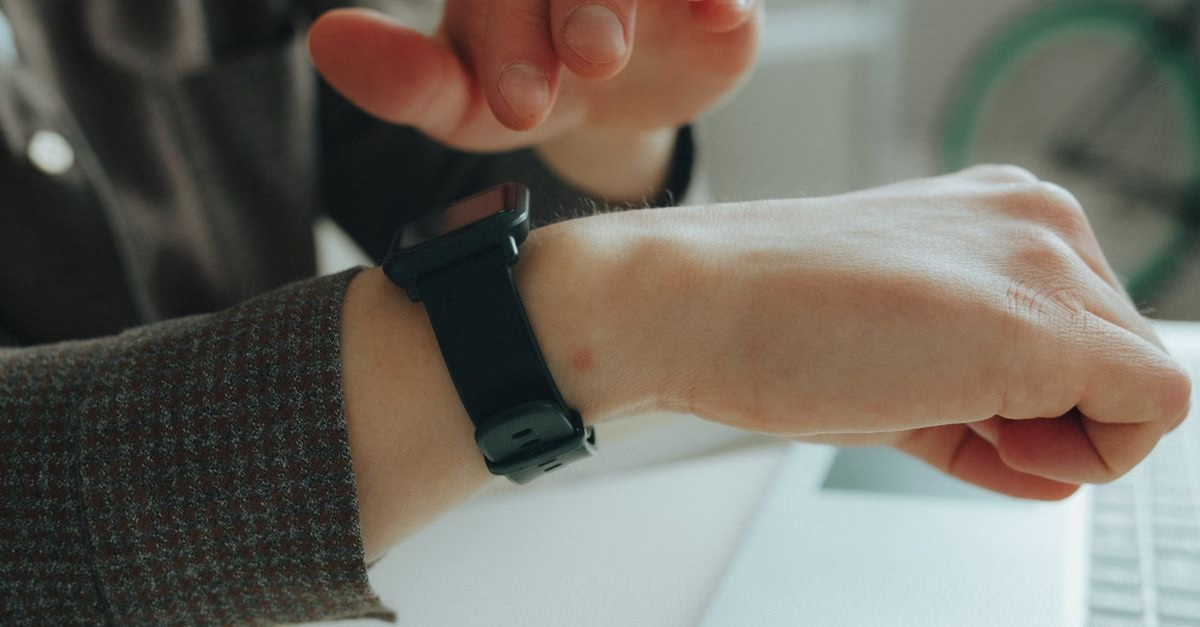
Navigating Uncertainty in Wearable Purchases
While the exact average lifespan of Amazfit smartwatches remains a subject of ongoing consumer evaluation rather than a fixed statistic, the brand’s position as a viable budget option is clear. Buyers should approach these purchases with realistic expectations regarding hardware longevity compared to premium counterparts. The focus should remain on evaluating individual model strengths, such as the ruggedness of the T-Rex line or the simplicity of the Bip series, against personal usage patterns.
For those prioritizing extreme durability or multi-year software support, investing in higher-end models may still be prudent. However, for users seeking reliable day-to-day functionality at a fraction of the cost, Amazfit continues to offer a compelling entry point. As more long-term user data emerges, the community will likely refine its understanding of which specific models stand the test of time best.