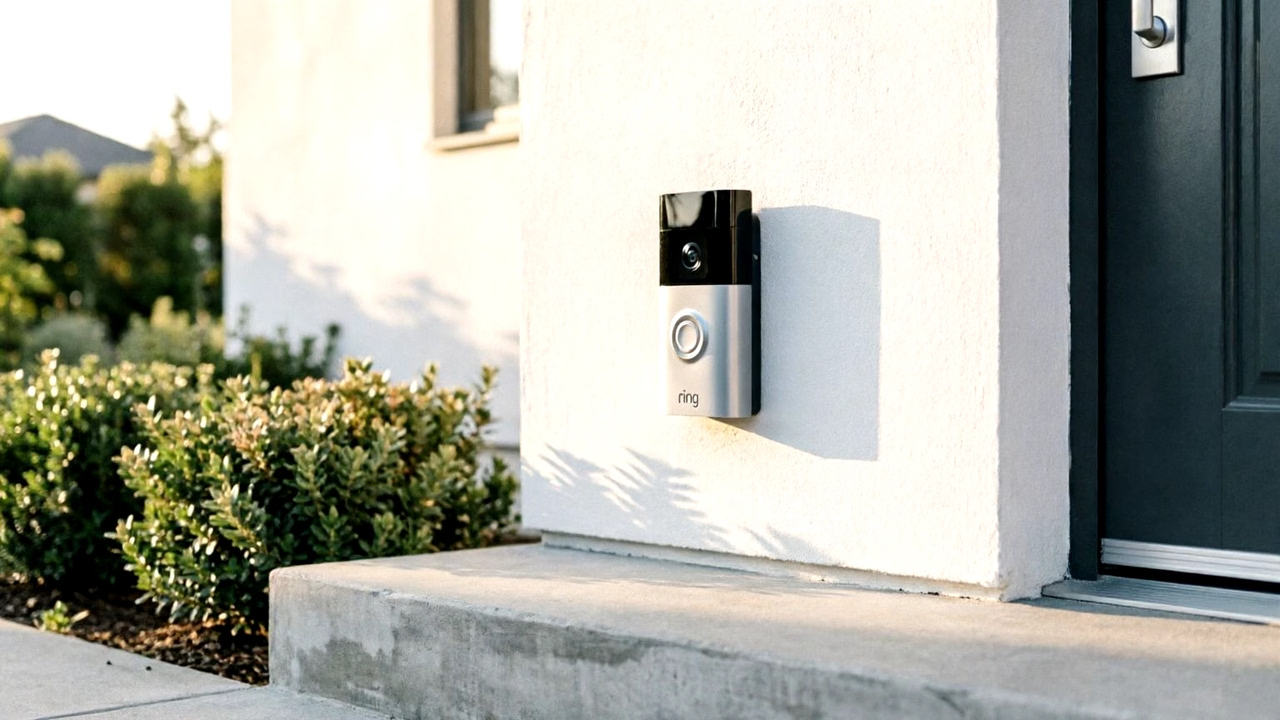

Why The Sticker Price Is Misleading
The initial retail price of a video doorbell is frequently just the entry fee. While manufacturers advertise competitive hardware costs, the final bill for consumers often climbs significantly once operational requirements are met. Recent industry analysis highlights that these devices rarely function as standalone products without ongoing financial commitments.
For Canadian homeowners, this means the advertised sale price on a big-box retailer’s shelf does not represent the total cost of ownership. The gap between the purchase price and the actual expense includes recurring subscriptions, potential hardware upgrades for compatibility, and installation labor. Understanding this discrepancy is the first step toward making an informed security investment.
Breaking Down The Expense Layers
The most significant hidden expense identified in recent consumer reports is the subscription model. Many major brands lock critical features—such as cloud video storage, person detection, or extended history—behind monthly paywalls. Without these fees, the device may only offer local storage or limited functionality, effectively downgrading the user experience.
Compatibility also drives up costs. Before purchasing, users must verify if their current doorbell wiring supports the new device. Older homes may lack the necessary transformer power, requiring a separate purchase of a compatible transformer or a wired-to-wireless adapter kit. These ancillary components are often sold separately and can add $20 to $50 to the project.
- Cloud Storage Fees: Monthly charges for retaining video footage beyond a few days.
- Advanced Features: Paywalls for AI-driven alerts like package detection or face recognition.
- Hardware Adapters: Costs for transformers or chime kits if existing wiring is incompatible.
- Professional Installation: Labor fees if electrical work exceeds DIY comfort levels.

Impact On Long-Term Budgeting
Ignoring these layers leads to buyer’s remorse and underutilized technology. A doorbell that cannot store video locally or lacks paid cloud access may become useless during internet outages or if the user cancels the subscription. This renders the primary security function unreliable.
For renters or those in older housing stock, the compatibility issue is particularly acute. If the device requires hardwiring but the home lacks suitable infrastructure, the user faces a choice: abandon the purchase or spend extra on wireless alternatives that may have shorter battery lives and lower resolution. The financial implication is clear: the cheapest upfront device often carries the highest long-term maintenance cost.
Steps To Avoid Unexpected Charges
To mitigate these risks, conduct a thorough audit before clicking ‘buy.’ First, determine your storage preference. If you wish to avoid monthly fees, prioritize models that support local storage via microSD cards or direct connection to a Network Video Recorder (NVR). Note that local storage still requires a compatible hub or router setup, which may involve its own hardware costs.
Second, verify electrical compatibility. Check your existing doorbell button and chime mechanism. If you are unsure about voltage requirements, consult the manufacturer’s compatibility tool online. This step prevents the surprise need for a transformer upgrade after the device arrives. Finally, read the fine print on feature sets. Confirm whether motion zones, two-way audio, or night vision are included in the base price or restricted to premium tiers.
- Audit Wiring: Confirm voltage matches device requirements to avoid transformer costs.
- Check Storage Options: Look for local storage support to bypass cloud subscription fees.
- Review Feature Tiers: Identify which functions are locked behind paywalls.
- Estimate Installation: Decide if DIY is feasible or if professional electrician fees should be budgeted.
Where Guidance Falls Short
This advice assumes standard residential setups. Complex multi-unit dwellings or heritage homes with non-standard electrical systems may face unique challenges not covered by general compatibility tools. In these cases, manufacturer support lines may provide conflicting information, necessitating a site visit by a qualified technician.
Additionally, pricing structures change frequently. Subscription tiers introduced today may be rebranded or expanded tomorrow. Consumers should remain aware that while avoiding fees is possible, it often comes at the cost of convenience. Cloud-based systems typically offer easier remote access and integration with other smart home ecosystems, benefits that local storage solutions may not replicate without additional networking knowledge.
The Bottom Line For Buyers
A video doorbell is a valuable security asset, but only when its total cost aligns with your budget. By accounting for subscription fees, compatibility hardware, and installation labor upfront, you can avoid the trap of low sticker prices masking high operational expenses. Prioritize transparency over marketing hype to ensure your home security system remains both effective and affordable.
One practical consideration often overlooked is the impact of internet reliability on your security setup. If you rely solely on cloud storage, a brief outage means you lose access to live feeds and recorded events until connectivity returns. Local storage solutions mitigate this risk by keeping footage accessible on the device itself, though retrieving it may require connecting to a specific app or network segment. This distinction matters if you travel frequently or live in an area with unstable broadband service.
Privacy settings also play a role in long-term usability. Some subscription tiers include advanced privacy controls, such as blurring faces or masking license plates before uploading video. Without these features, raw footage sits on servers, potentially raising concerns about data handling practices. Reviewing the provider’s privacy policy helps clarify who owns the data and how long it remains stored after cancellation. These details can influence whether a particular brand aligns with your comfort level regarding digital surveillance.
Finally, consider the resale value of your home security infrastructure. A doorbell tied to a proprietary ecosystem may be less appealing to future buyers if they prefer different brands or avoid recurring fees. Devices that support standard protocols like ONVIF or offer flexible integration options tend to retain utility across various smart home setups. This flexibility ensures your investment remains relevant even if you switch manufacturers or upgrade other components later.