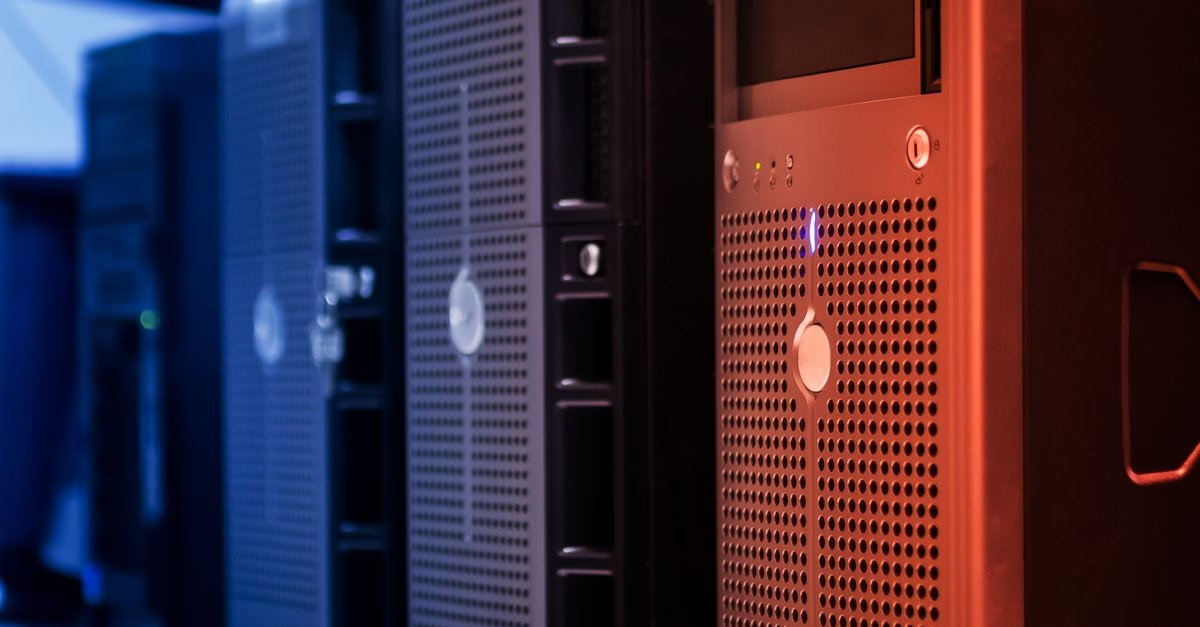
Shifting Away From Tower Desktops
BGR has published a guide recommending mini PCs as effective hardware for home media servers, challenging the long-held assumption that such tasks require substantial desktop towers. The article specifically highlights four models that serve this purpose well, positioning them as accessible tools for individuals looking to take control of their personal media libraries.
The core assertion is straightforward: you do not need a huge desktop to run a functional media server. By focusing on compact form factors, the report shifts attention toward devices that fit easily into living room entertainment centres or small office spaces without dominating the physical environment.
Space Efficiency Meets Functional Capability
For many consumers, the barrier to entry for self-hosted media solutions has often been the sheer size and noise of traditional server-grade hardware. Mini PCs address this by offering sufficient processing power for standard transcoding and streaming tasks while maintaining a footprint small enough to be unobtrusive. This makes the technology more approachable for non-technical users who might otherwise be intimidated by rack-mounted equipment or large ATX cases.
The move toward smaller hardware also reflects broader trends in consumer electronics where efficiency and integration are prized over raw, expandable power. While enthusiasts may still prefer custom-built rigs for heavy-duty multi-user transcoding, the average household likely benefits more from the simplicity and quiet operation of a dedicated mini PC. It lowers the threshold for experimentation, allowing users to test self-hosting services like Plex or Jellyfin without committing to a complex build process.

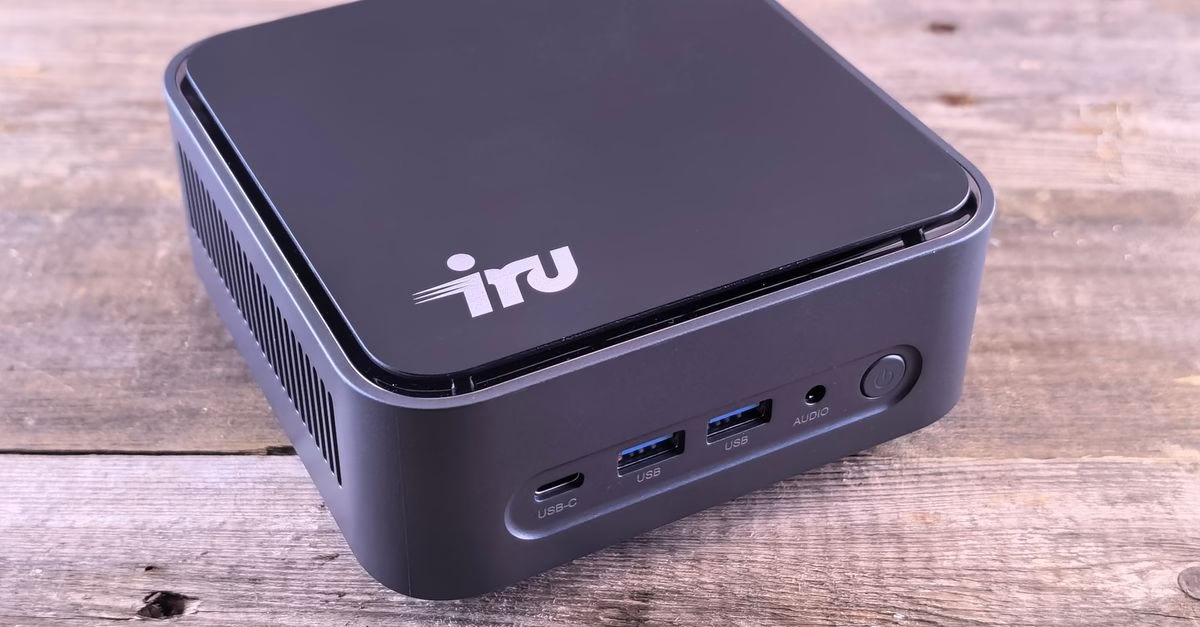
Practical Implications for Self-Hosters
The recommendation underscores that hardware choice should align with actual usage needs rather than perceived requirements. For most home users, the capabilities of modern mini PCs are more than adequate for managing personal media collections. This shift encourages a more pragmatic approach to home server setups, prioritizing ease of installation and spatial harmony over maximum theoretical performance.
Readers considering a switch should evaluate their specific library size and concurrent stream demands, but the evidence suggests that compact devices are now a legitimate, reliable option for mainstream self-hosting.