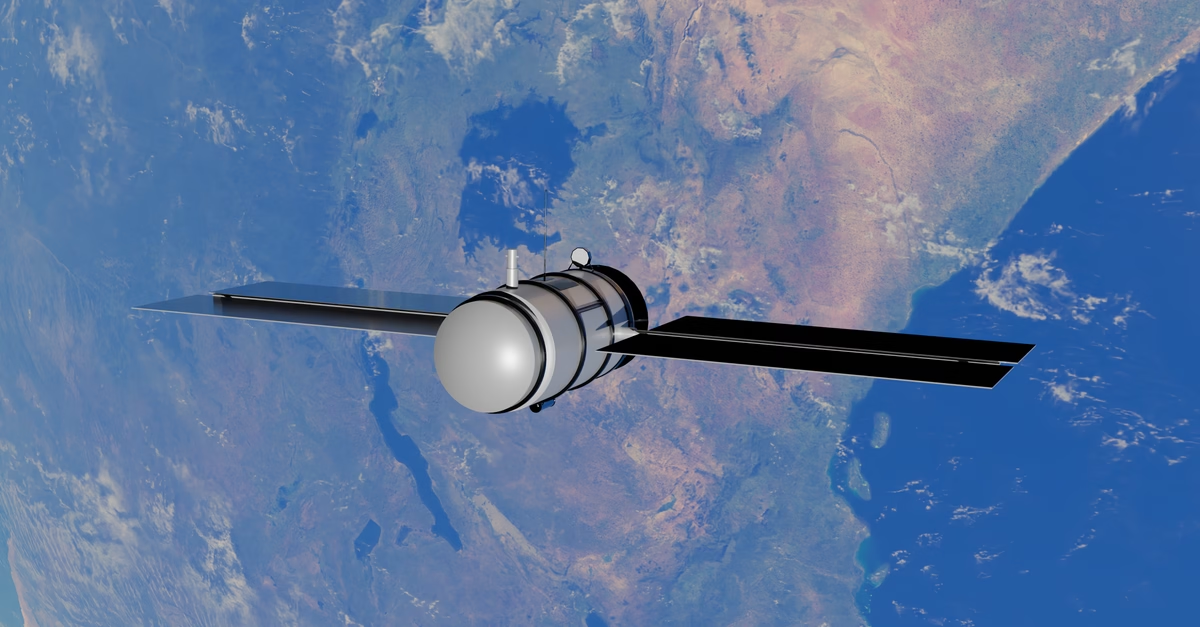
Scaling Up from Hundreds to Ten Thousand
SpaceSail, a Chinese government-backed satellite internet provider, has announced an ambitious target: launching 10,000 satellites into orbit by 2030. This figure is significant because it roughly equals the number of active Starlink satellites SpaceX currently maintains in low Earth orbit. For years, the consumer satellite broadband market has been defined by Starlink’s dominance, with only a handful of smaller competitors offering viable alternatives.
The leap required for SpaceSail is substantial. As of late 2026, the company operates only a few hundred satellites. To meet its 2030 deadline, it must accelerate production and launch cadence dramatically. The reported plan suggests a shift from experimental or limited regional coverage to a global-scale constellation capable of competing directly with established players.
Funding Fueling the Race for Orbital Dominance
This development matters because it represents one of the first major, well-funded attempts to dethrone Starlink’s monopoly on high-speed, low-latency satellite internet. In August 2026, reports indicated that SpaceSail raised 7 billion yuan (approximately $1 billion USD). Key investors included Shanghai Alliance Investment and CAS Star, pushing the company’s valuation to 50 billion yuan.
For consumers and businesses, increased competition could lead to better pricing and service options outside of North America and Europe, where Starlink already has a strong foothold. However, the technical and logistical hurdles are immense. Launching thousands of satellites requires reliable heavy-lift rockets and sophisticated ground infrastructure. While the capital injection provides resources, it does not guarantee successful deployment or regulatory approval in every market.

It also raises questions about orbital congestion. Adding another 10,000 objects to low Earth orbit increases collision risks and complicates space traffic management, a concern shared by astronomers and other space agencies worldwide.

Unanswered Questions on Timeline and Reach
While the financial backing and stated goals are clear, several critical details remain unknown. There is no public information on which rocket systems SpaceSail will use for these mass launches or how they plan to manage debris mitigation. Additionally, the specific geographic markets targeted for initial service rollout have not been detailed beyond the general implication of global ambition.
Whether SpaceSail can actually achieve this scale remains to be seen. The jump from hundreds to ten thousand satellites in four years is aggressive. If successful, it would fundamentally alter the competitive landscape of satellite broadband. If not, it highlights the difficulty of challenging an incumbent with a decade-long head start. For now, the announcement serves as a signal that the race for space-based internet is heating up, driven by state-backed capital and strategic national interests.