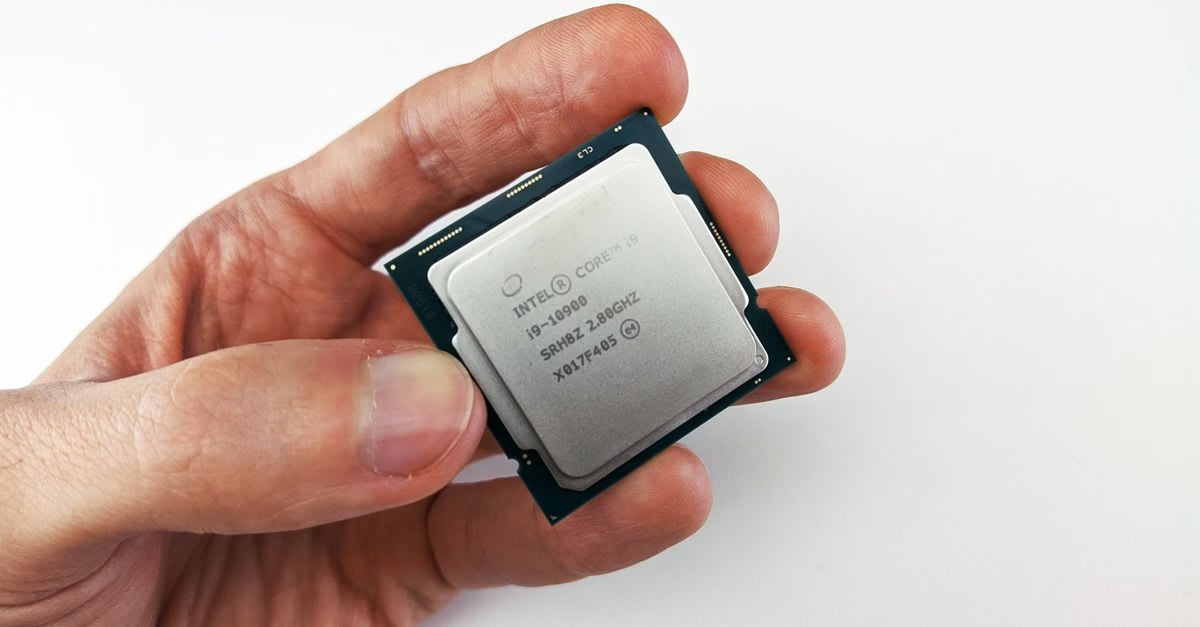
The M5 Arrival and Intel's Response
Apple’s introduction of the M5 chip has once again set a high bar for single-core performance and energy efficiency in consumer laptops. Early benchmarking results highlight significant gains over previous generations, particularly in tasks that rely on fast, responsive processing power. However, the narrative isn’t just about Apple’s leap forward; it’s also about Intel’s steady climb back into relevance.
Recent reports indicate that Intel’s latest processor iterations have made substantial strides in catching up to Apple’s proprietary silicon. While the M5 dominates in specific synthetic benchmarks, Intel’s architecture offers different strengths, particularly in multi-threaded workloads and compatibility with legacy software ecosystems. The conversation has shifted from ‘Is Apple better?’ to ‘Which tool fits the job?’
Why Direct Equivalence Is Tricky
For consumers, the question ‘Which Intel CPU is equivalent to the M5?’ is technically difficult to answer because the chips serve different design philosophies. Apple’s M-series chips are System-on-Chip (SoC) designs that integrate CPU, GPU, and Neural Engine components tightly, optimizing for performance-per-watt. Intel’s traditional CPUs often rely on discrete GPUs or separate memory controllers, leading to different thermal and power profiles.
This distinction matters when you’re buying a laptop. If you prioritize battery life and silent operation under light loads, the M5’s architecture shines. If you need raw multi-core throughput for heavy rendering or gaming with discrete graphics, certain high-end Intel chips may offer comparable or superior practical value despite lower single-core benchmark scores. The ‘equivalence’ depends entirely on your workload.

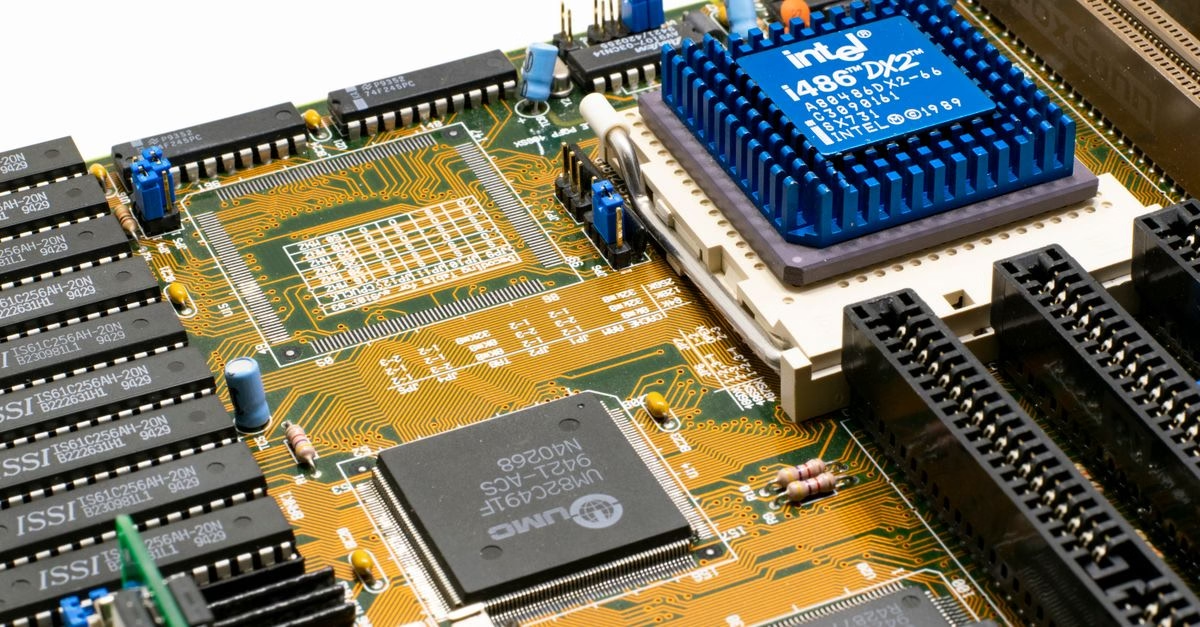
Looking Beyond the Numbers
Benchmarks provide a snapshot, not the full picture. As Intel continues to refine its hybrid architecture and Apple pushes the boundaries of unified memory, the gap narrows in some areas while widening in others. For now, there is no single Intel CPU that perfectly mirrors the M5’s balance of speed and efficiency across all metrics.
Buyers should look beyond headline numbers. Consider your specific use cases: video editing, coding, gaming, or general productivity. The right choice isn’t always the one with the highest Geekbench score, but the one that aligns with your software ecosystem and hardware needs. Keep an eye on upcoming reviews that test real-world workflows rather than just synthetic tests.