The Latest Flagship Clash Hits the Benchmarks
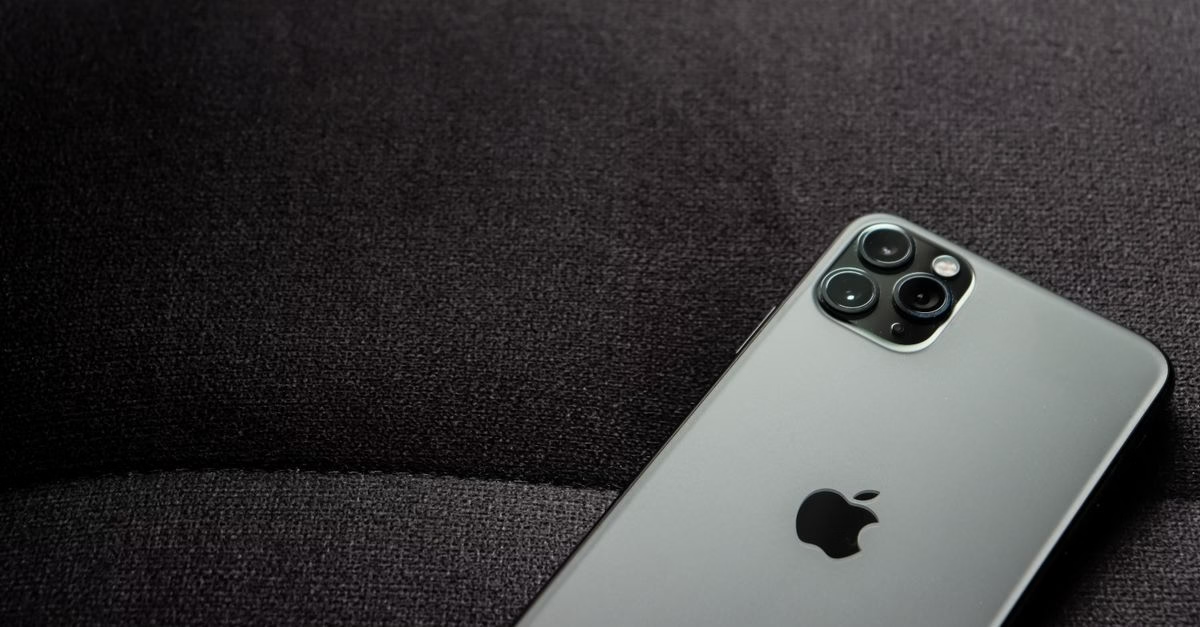
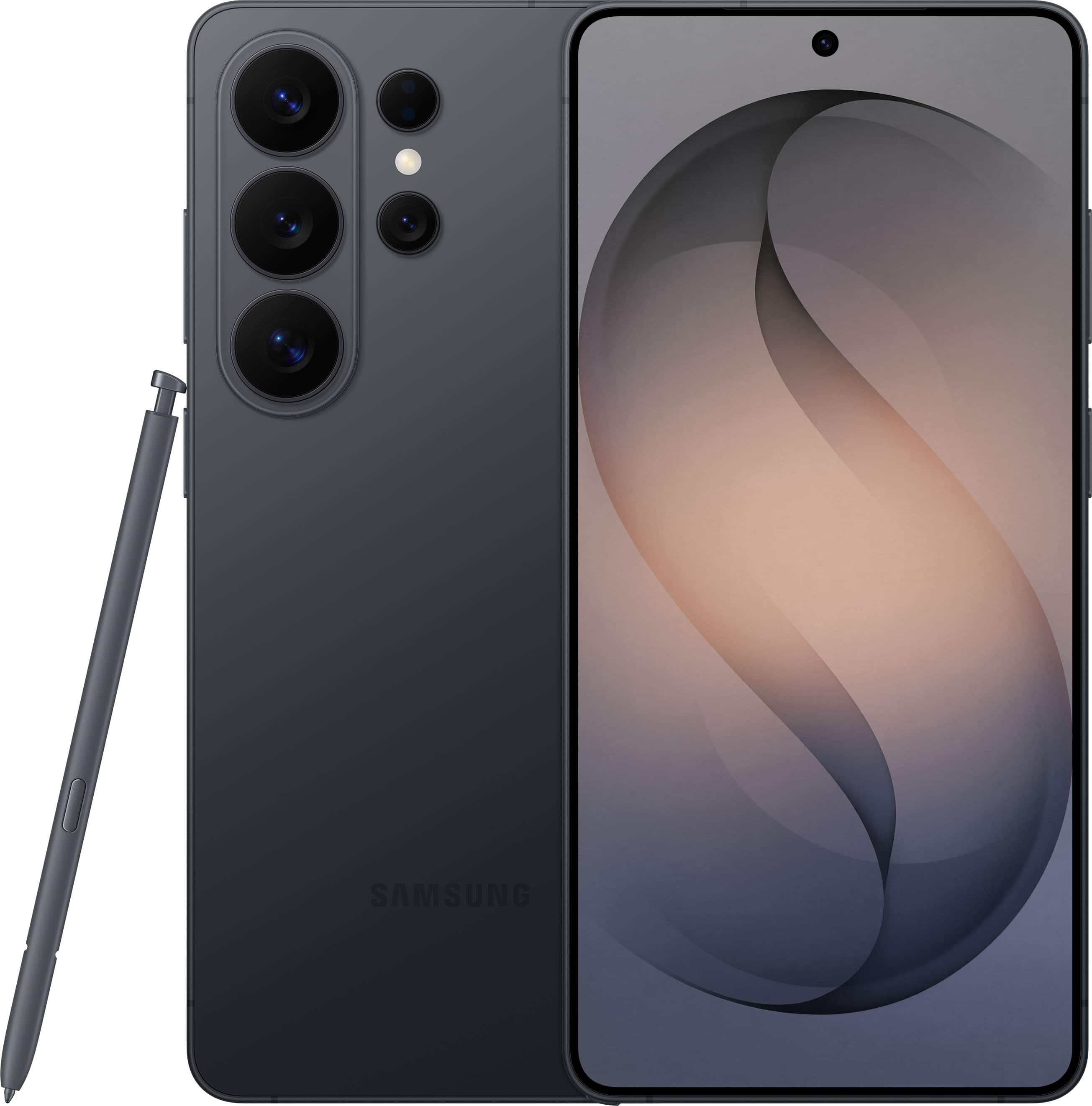
GSMArena has released a detailed comparative assessment pitting the newly announced Apple iPhone 18 Pro Max against its primary rival, the Samsung Galaxy S26 Ultra. This matchup continues the long-standing rivalry between Cupertino and Seoul, examining everything from hardware design to real-world performance metrics. The publication provides a full breakdown covering design, display quality, speaker tests, performance capabilities, and camera systems, offering readers a holistic view of where each device stands.
While both manufacturers have pushed the boundaries of smartphone engineering, this specific comparison highlights distinct divergences in user experience priorities. GSMArena’s editorial team has structured the review to allow potential buyers to weigh the tangible benefits of each ecosystem side-by-side. The article serves as a primary reference point for consumers trying to navigate the crowded premium smartphone market, moving beyond marketing slogans to examine the actual specifications and tested outcomes.

Battery Endurance and Connectivity Define the Divide
One of the most striking findings from the comparison is the substantial gap in battery longevity. According to research corroborating the initial reports, Apple rates the iPhone 18 Pro Max for up to 45 hours of video playback. In contrast, Samsung rates the Galaxy S26 Ultra at 31 hours. For users who prioritize all-day usage without seeking a charger, this 14-hour difference represents a meaningful advantage for the iPhone, potentially altering daily charging habits for heavy users.
Conversely, the connectivity landscape reveals a surprising convergence. Research indicates that the connectivity suites on both phones are practically identical. Although they utilize different modems and integrated radio technologies, the underlying tech delivers similar results. This suggests that for Canadian buyers concerned with signal strength, data speeds, or network compatibility, neither device holds a definitive technical edge over the other in terms of raw connection capability. The choice may instead hinge on software integration and ecosystem loyalty rather than hardware limitations.

Choosing Between Battery Life and Ecosystem Preference
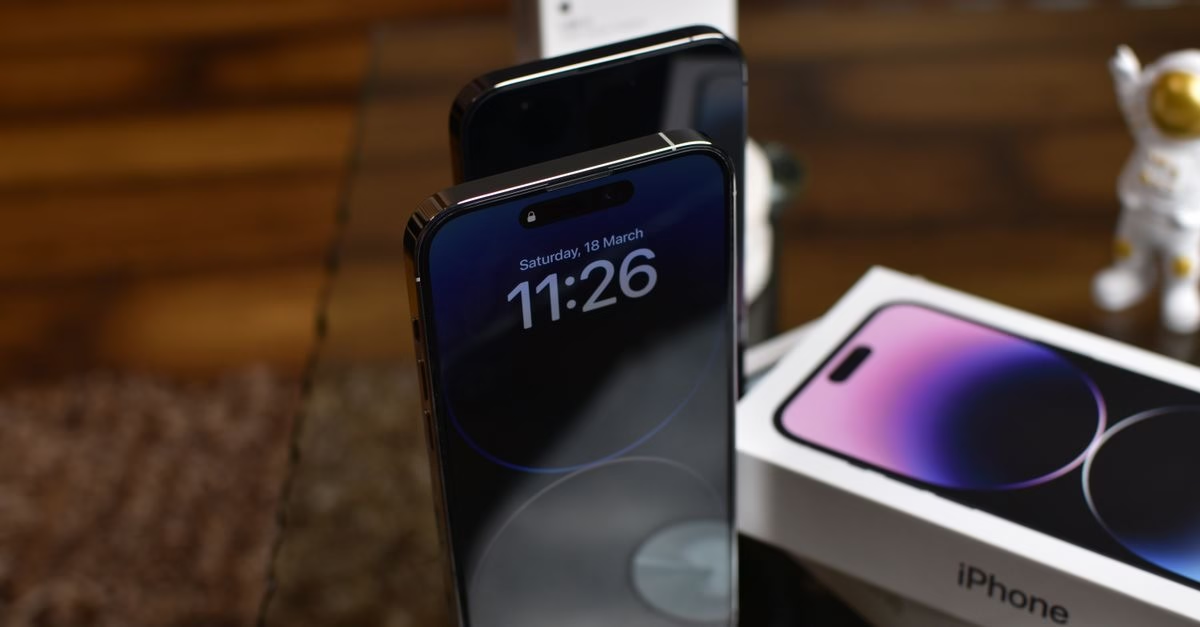
The release of this comparative analysis underscores that the battle between Apple and Samsung is no longer just about brand prestige but about specific utility features. The iPhone 18 Pro Max appears to secure a clear win in battery efficiency, addressing a common pain point for smartphone users. Meanwhile, the Galaxy S26 Ultra remains competitive in connectivity, ensuring that network performance is not a deciding factor for most consumers.
For those still undecided, the full GSMArena assessment provides deeper dives into camera quality, display nuances, and physical design preferences. As these devices become more widely available, early adopters will likely find that their decision rests less on technical superiority and more on which set of trade-offs aligns best with their personal workflow. The verdict remains open until individual testing confirms how these lab-rated figures translate to real-world Canadian conditions.