The Longevity Gap in Home Entertainment Hardware
When electronics fail, consumers are typically quick to voice complaints online, yet community discussions surrounding Blu-ray players tell a different story. According to user reports aggregated by BGR, owners frequently share anecdotes about older units that continue to operate reliably long after newer models have been discontinued. This pattern suggests a distinct advantage in durability for optical media players compared to other forms of consumer electronics.
The prevailing narrative in tech reviews often highlights rapid innovation cycles, but the lived experience of Blu-ray owners points toward exceptional stability. Rather than experiencing frequent breakdowns, many users find themselves still using devices purchased a decade ago. This observation challenges the common perception that all home entertainment hardware follows a similar trajectory of short-term usability followed by obsolescence.
Mechanical Simplicity Versus Software Dependency
The extended lifespan of Blu-ray players can be attributed to fundamental differences in how these devices function compared to smart TVs or streaming sticks. A Blu-ray player is primarily a dedicated piece of hardware designed to read discs. Its core components—the laser lens, motor, and basic processing unit—are relatively simple and do not require constant updates to maintain basic functionality.
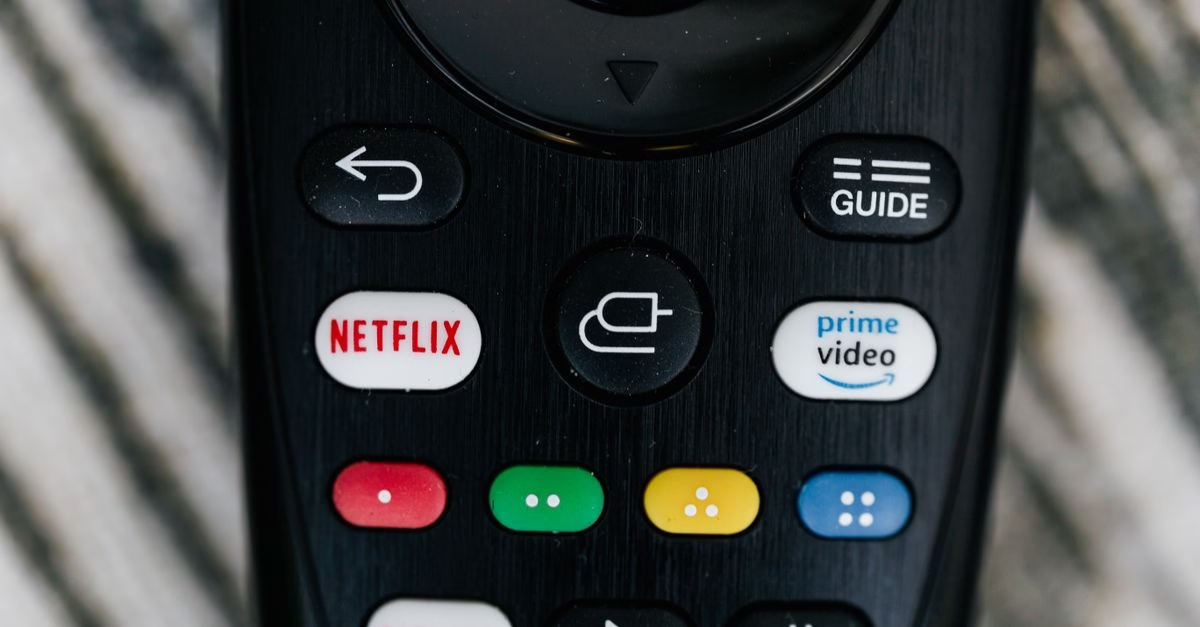
In contrast, modern streaming devices rely heavily on software ecosystems. Their value is tied to apps like Netflix, Disney+, or Amazon Prime Video, which require regular updates to remain compatible with operating systems and network standards. When a manufacturer stops supporting an app, the device effectively becomes a paperweight, even if the internal hardware remains perfectly intact. The Blu-ray player, however, does not depend on cloud services to play a movie. As long as the physical mechanism works, the device fulfills its primary purpose, regardless of internet connectivity or software patches.

Implications for Consumer Spending and Waste
Understanding this disparity has practical implications for how consumers approach purchasing decisions. If a Blu-ray player can reliably serve a household for ten years or more, the cost-per-use metric becomes significantly more favourable than that of a streaming box replaced every few years. This longevity also contributes less electronic waste over time, aligning with growing concerns about sustainability in consumer tech.
For Canadian buyers and others prioritizing durable goods, this insight suggests that investing in high-quality optical hardware may offer better long-term value despite the initial higher cost. It also highlights a shift in how we define ‘obsolescence.’ For streaming devices, obsolescence is often a service decision made by corporations. For Blu-ray players, obsolescence is usually a gradual decline in performance or a eventual mechanical failure, which tends to happen much later in the product’s lifecycle.
Constraints on Future-Proofing and Format Support
While the hardware itself may last decades, the utility of a Blu-ray player is limited by external factors. The most significant constraint is the declining availability of new physical media releases. As studios shift focus to digital distribution, finding new titles to play on an old player becomes increasingly difficult, even if the player itself never breaks.
Additionally, older models may lack support for newer video codecs or high-resolution formats like 4K HDR, which are now standard on modern streaming devices. While the player will continue to work, it may not deliver the best possible picture quality for contemporary content. There is also the risk of mechanical wear on the disc tray or laser lens over very long periods, though user reports suggest these failures are rare and often occur well beyond the typical warranty period.
Enduring Value in a Digital Age
The evidence from user communities underscores a clear distinction between hardware durability and software relevance. Blu-ray players demonstrate that simpler, dedicated devices can outlast complex, software-dependent alternatives by a wide margin. For consumers who value reliability and long-term ownership, this makes optical media players a surprisingly resilient choice.
While the cultural shift toward streaming continues, the physical player remains a testament to robust engineering. Users who invest in a reputable model today can likely expect it to serve them faithfully for many years, offering a stable anchor in an otherwise rapidly changing entertainment landscape. The key takeaway is that longevity in consumer tech is not guaranteed by price alone, but by design philosophy and independence from fleeting software ecosystems.