Head-to-Head: Defining the Two New Samsung Flagships
Samsung has officially outlined the comparative landscape between its two most ambitious upcoming devices: the Galaxy Z Fold8 Ultra and the Galaxy S26 Ultra. This isn’t just a minor spec sheet update; it represents a strategic bifurcation in how Samsung approaches premium mobile technology. The publication from GSMArena provides a structured breakdown, asking the fundamental question that many high-end buyers are currently facing: do you actually need a foldable screen, or does a conventional slab offer more value?
The comparison touches on the core pillars of modern smartphone ownership. It examines the physical design, noting the inherent differences in portability versus screen real estate. It moves into the display metrics, where the Fold’s inner panel must compete with the S-series’ superior brightness and outdoor visibility. Battery life and charging speeds are also weighed, highlighting the engineering challenges of fitting power sources into thinner, folding chassis versus larger, traditional bodies. Finally, the camera systems are put under scrutiny, addressing the common consumer query about whether the computational photography of the S26 Ultra can match the versatility of the Fold8’s setup.
The Real-World Trade-Offs for Canadian Buyers
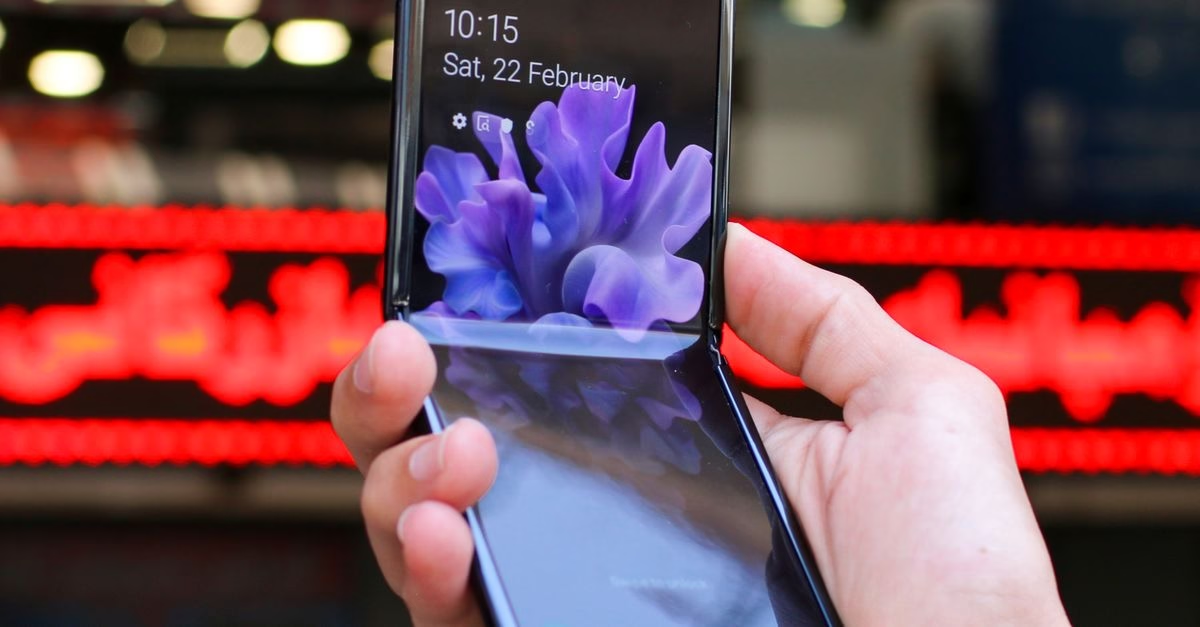
For consumers in Canada, this comparison matters because it forces a decision between innovation and practicality. The Galaxy Z Fold8 Ultra promises a tablet-like experience in your pocket, appealing to those who multitask heavily or consume media on the go. However, foldables come with historical baggage regarding durability, hinge longevity, and repair costs. The S26 Ultra, conversely, offers a mature, battle-tested platform with potentially better water resistance, simpler repair pathways, and a form factor that fits comfortably in smaller pockets.
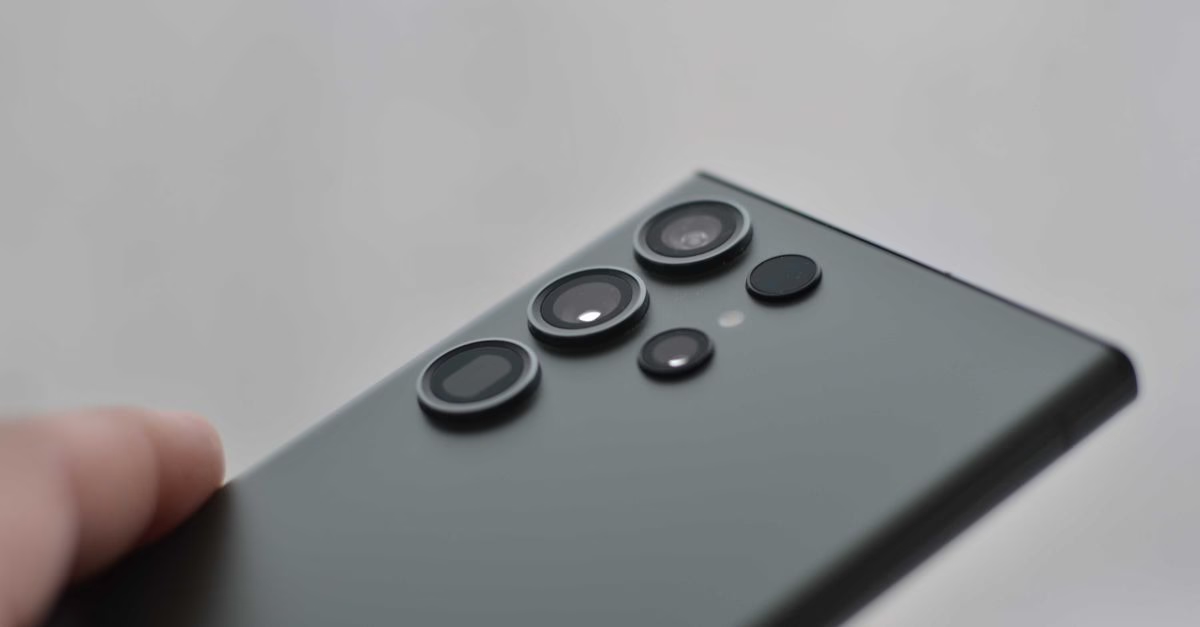
The camera debate is particularly relevant for users who prioritize image quality over screen novelty. If the S26 Ultra delivers superior low-light performance or zoom clarity due to sensor size and stabilization advantages, the Fold8’s unique form factor may not justify the premium price tag for casual photographers. Conversely, if the Fold8’s cameras are competitive, the added utility of the large inner screen becomes the primary selling point. Understanding these nuances helps buyers avoid paying for features they won’t use while ensuring they don’t miss out on genuine productivity gains.

Navigating the Choice Between Innovation and Reliability
Ultimately, the choice between the Galaxy Z Fold8 Ultra and the S26 Ultra comes down to personal workflow and risk tolerance. If you view your phone as an extension of your laptop and value screen space above all else, the Fold8 Ultra is the compelling, albeit riskier, option. If you prioritize battery life, durability, and a familiar, robust design, the S26 Ultra remains the safer, highly capable bet.
As official pricing and availability details roll out across Canadian retailers, this comparison serves as a crucial baseline. It reminds us that ‘Ultra’ branding doesn’t automatically mean ‘better for everyone.’ By understanding the specific strengths and weaknesses highlighted in the initial reports, buyers can make a confident decision that aligns with their daily habits rather than chasing marketing hype alone.