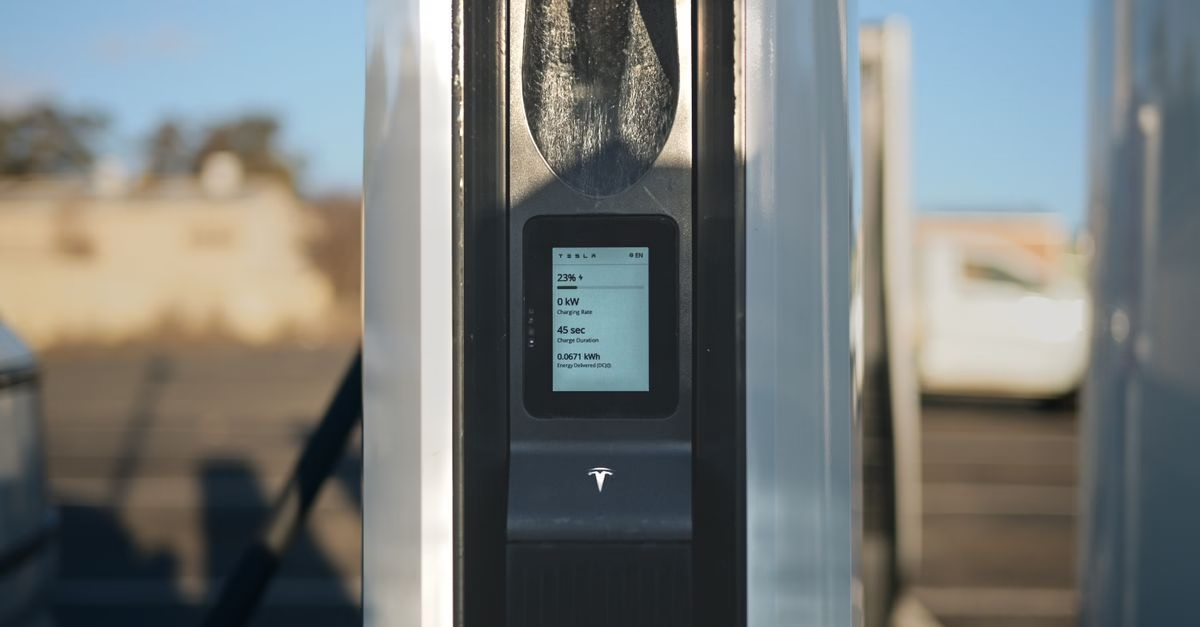
Tesla delivers 500-mile Semi amid infrastructure concerns
Tesla has started delivering its long-awaited Semi with a 500-mile range, marking a significant milestone for the electric vehicle manufacturer. This development comes as reported by Ars Technica, highlighting the truck’s entry into the commercial freight market.
The arrival of this high-capacity electric truck underscores Tesla’s commitment to electrifying heavy-duty transport. However, the rollout occurs against a backdrop of persistent challenges in the supporting energy infrastructure.
While the vehicle itself represents a technical achievement in battery density and efficiency, its operational viability depends heavily on external factors. The current state of charging networks remains a critical variable in the equation for fleet operators considering the switch from diesel.
Charging gaps threaten practical adoption for fleets
The primary barrier to widespread electric trucking is not necessarily the vehicles themselves, but the lack of robust charging infrastructure. Long-haul routes require reliable, high-speed charging stations spaced appropriately along major corridors, a network that is currently underdeveloped.

For Canadian and North American logistics companies, this infrastructure deficit creates operational uncertainty. Without guaranteed access to charging, the promised 500-mile range may not translate into consistent daily utility for cross-country freight.
- Charging stations for heavy-duty trucks are scarce compared to passenger EV chargers.
- Grid capacity upgrades are required to support simultaneous high-power charging.
- Route planning remains complex due to inconsistent charger availability.
This gap between vehicle capability and infrastructure readiness means early adopters face higher logistical burdens. Fleet managers must carefully plan routes around limited charging options, potentially offsetting some efficiency gains.
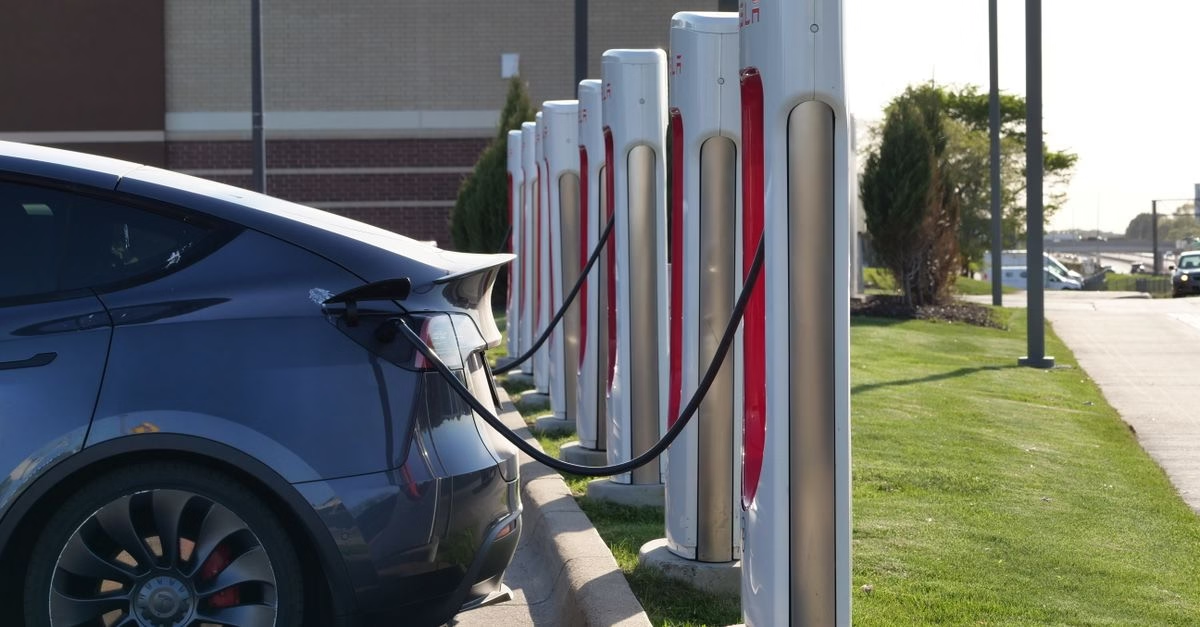
Infrastructure must catch up to vehicle technology
Tesla’s delivery of the 500-mile Semi is a notable step forward, but it does not solve the broader systemic issue of charging accessibility. The success of electric trucking will depend less on individual vehicle specs and more on coordinated infrastructure investment.
Until charging networks expand significantly, the practical impact of these trucks may remain limited to specific, well-served routes. Stakeholders in logistics and energy policy must address these gaps to unlock the full potential of electric freight.
What remains unknown is the timeline for sufficient infrastructure deployment to support nationwide electric trucking. Without clear answers, the transition will likely be gradual rather than immediate.