Foldable smartphones are no longer a futuristic concept — they’re here, they’re mainstream enough, and every year we see more brands pushing the category forward.
But after spending the last few years using both formats — the FLIP and the FOLD — I’ve come to a realization that surprised even me:
The future of smartphones isn’t just about bigger screens. It’s about how we actually live with these devices every day.
And for my daily routine, the difference between flip and fold is much more personal than technical.

Related Posts

The Foldable Smartphone Promise… and the Real Problem
Foldable phones are marketed as the next evolution of mobile technology.
The pitch is simple:
- A phone that becomes a tablet
- More screen space when you need it
- Compact portability when you don’t
Manufacturers like Samsung describe foldables as devices designed to bridge the gap between smartphones and larger displays, offering both flexibility and productivity benefits.
Source: Samsung Mobile Buying Guide (Samsung, n.d.) https://www.samsung.com/us/explore/mobile/buying-guide/flip-vs-fold-whats-the-difference/
And on paper, it sounds perfect.
But here’s the problem I ran into:
I don’t actually use my phone that way.
My Real-World Experience With Flip and Fold Phones
Over the last few years, I’ve used foldables from major brands — Samsung, Google, OnePlus, and others — ever since they became available to consumers.
I’ve lived with:
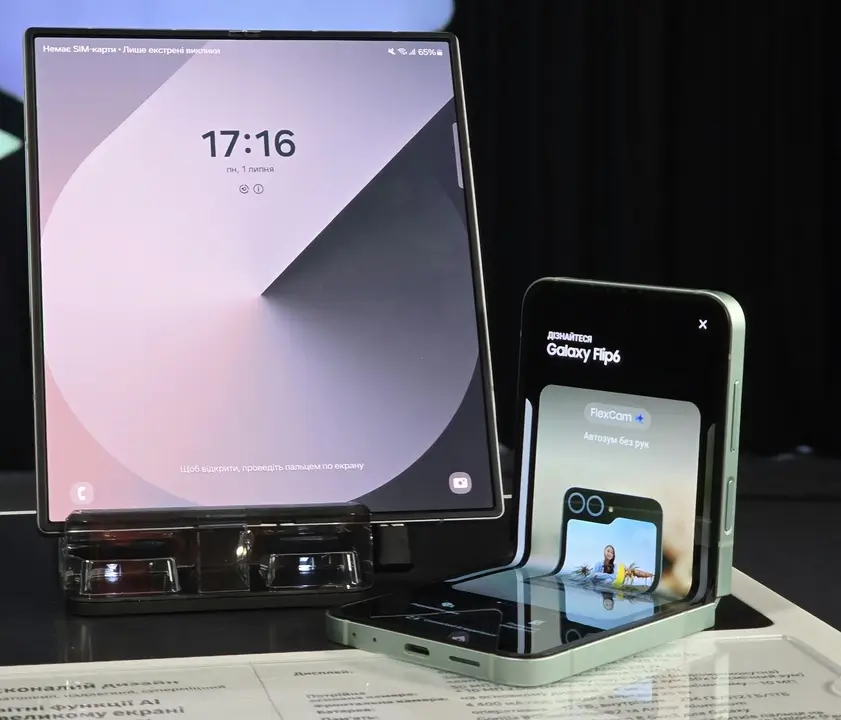
- Flip-style clamshell foldable
- Book-style fold devices with tablet-sized screens
And what I’ve noticed is simple:
I rarely use the extra screen real estate on a fold phone.
Even though it’s impressive hardware, it doesn’t naturally fit into my everyday habits.
The Surprising Truth: I Don’t Watch Content on My Phone
This is where my experience might differ from the typical foldable customer.
I don’t watch much content on my smartphone.
If I want to watch something, I already have dedicated devices:
- A tablet
- A laptop
- A desktop
- A TV
So when I unfold a fold phone into a larger display, I’m not suddenly changing my lifestyle.
The fold isn’t replacing anything for me — it’s just adding cost and complexity.
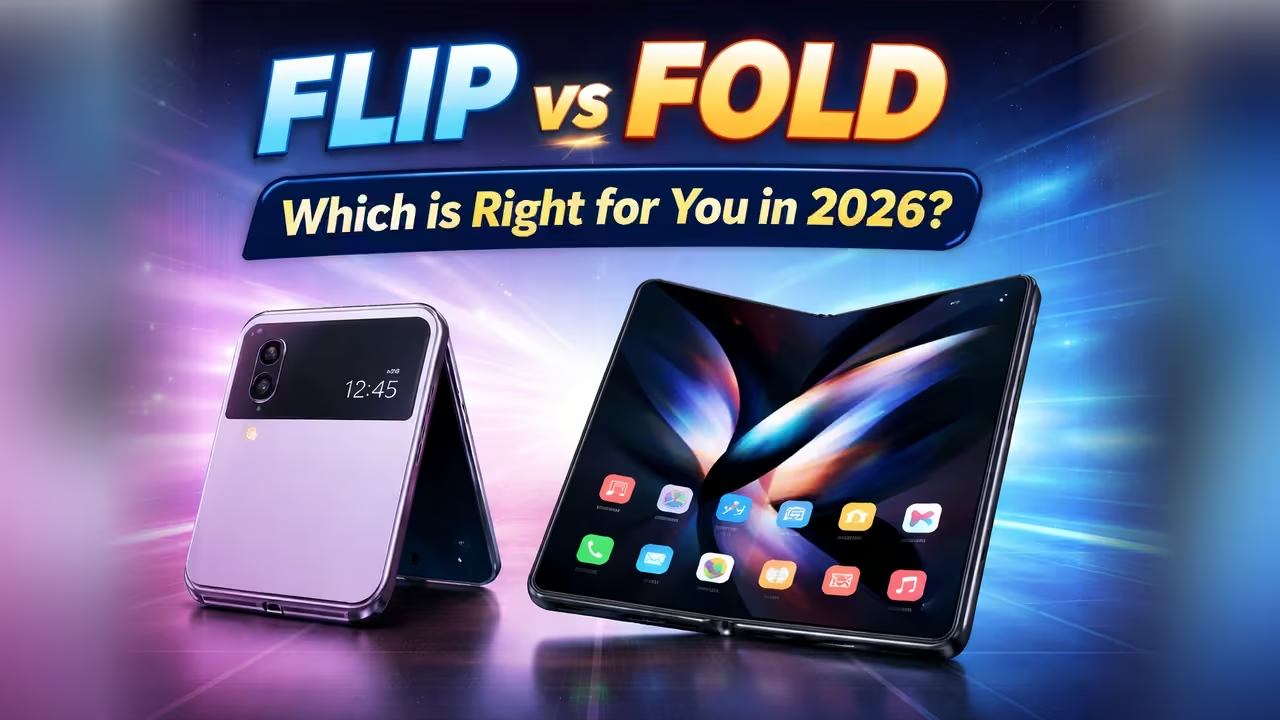
Flip Phones vs Fold Phones: What’s the Real Difference?
To understand where smartphones are going, it helps to clarify what these two formats actually are.
Flip Smartphones (Clamshell Style)
A flip phone folds vertically, shrinking into a compact device you can easily slip into a pocket.
Samsung describes flip devices as focused on portability while keeping a full-sized smartphone experience when opened.
Source: Samsung Mobile Buying Guide (Samsung, n.d.) https://www.samsung.com/us/explore/mobile/buying-guide/flip-vs-fold-whats-the-difference/
Flip phones prioritize:
- Portability
- Style
- Everyday communication
- Simplicity
Fold Smartphones (Book Style)
A fold phone opens horizontally into a larger, tablet-like display built for multitasking and productivity.
These devices are often marketed as hybrids that can replace both phone and tablet.
Source: Vertu Lifestyle Comparison Guide (Vertu, 2025) https://vertu.com/lifestyle/flip-phone-vs-fold-phone-complete-comparison-guide-2025/
Fold phones prioritize:
- Large-screen multitasking
- Productivity workflows
- Media consumption
- Premium features
The Fold Phone Problem: Bigger Doesn’t Always Mean Better
For a certain crowd, fold phones make perfect sense.
If you:
- Travel constantly
- Work from your phone
- Read documents on the go
- Multitask heavily
…then a foldable tablet in your pocket is a game changer.
But for me, and I suspect for many others, that extra display often goes unused.
And that raises a real question:
Are fold phones solving a problem everyone actually has?
Because if you already own a tablet or laptop, the fold phone becomes less of a necessity and more of a luxury.
The Cost Reality: Foldables Are Still Premium Devices
One of the biggest barriers is price.
Fold phones remain significantly more expensive than traditional smartphones — and even more than flip phones in many cases.
That matters, especially when many users don’t fully leverage the larger screen.
The foldable smartphone market is expected to grow rapidly, but it’s still positioned as a premium segment.
A major forecast projects the global foldable market will grow from approximately $38.7B in 2026 to $110B by 2031, a CAGR of ~23%.
Source: Mordor Intelligence Report (2024) https://www.mordorintelligence.com/industry-reports/foldable-smartphone-market
That growth is real — but growth doesn’t automatically mean mainstream adoption for everyone.
Flip Phones Might Be the More Practical Future
Here’s what I’ve found:
If the fold phone is trying to replace your tablet…
…the flip phone is trying to improve your phone.
Flip devices are:
- Easier to carry
- Less bulky
- Often more affordable
- Better aligned with everyday usage
They don’t demand that you change your habits.
They simply fit into them.
And that might be why flip phones feel like a more realistic evolution for many users.
Where Are Smartphones Going Next?
Foldables are clearly part of the future — but I don’t think the future is one-size-fits-all.
Instead, we’re heading toward a world where smartphones split into lifestyle categories:
Productivity Users
Folds make sense for people who want a phone-tablet hybrid.
Everyday Users
Flips make more sense for people who want portability and simplicity.
Traditional Users
Many will still prefer standard slab phones because they’re cheaper, durable, and familiar.
Manufacturers are still improving durability, hinges, and app optimization before foldables can truly become mainstream.
Source: Wikipedia Foldable Smartphone Overview (updated 2025) https://en.wikipedia.org/wiki/Foldable_smartphone
Final Thought: The Best Smartphone Is the One That Matches Your Life
I’m sure many will disagree — and that’s fair. Fold phones absolutely serve a real audience. But my reality is this: I don’t need a tablet in my pocket. I need a phone that fits into my day.
And after years of using both formats, I’ve realized something important:
The biggest screen won’t define the future of smartphones… but the smartest fit will.
Frequently Asked Questions
Are fold phones worth it in 2026?
They can be, especially for multitasking and productivity users, but they remain premium-priced and not essential for everyone.
Source: Mordor Intelligence (2024)
Are flip phones better than fold phones?
Flip phones tend to offer more portability and everyday practicality, while fold phones offer larger screens for niche workflows.
Source: Samsung (n.d.), Vertu (2025)
Will foldables replace regular smartphones?
Most analysts see foldables growing rapidly, but they are unlikely to fully replace traditional phones in the near term.
Source: Mordor Intelligence (2024)