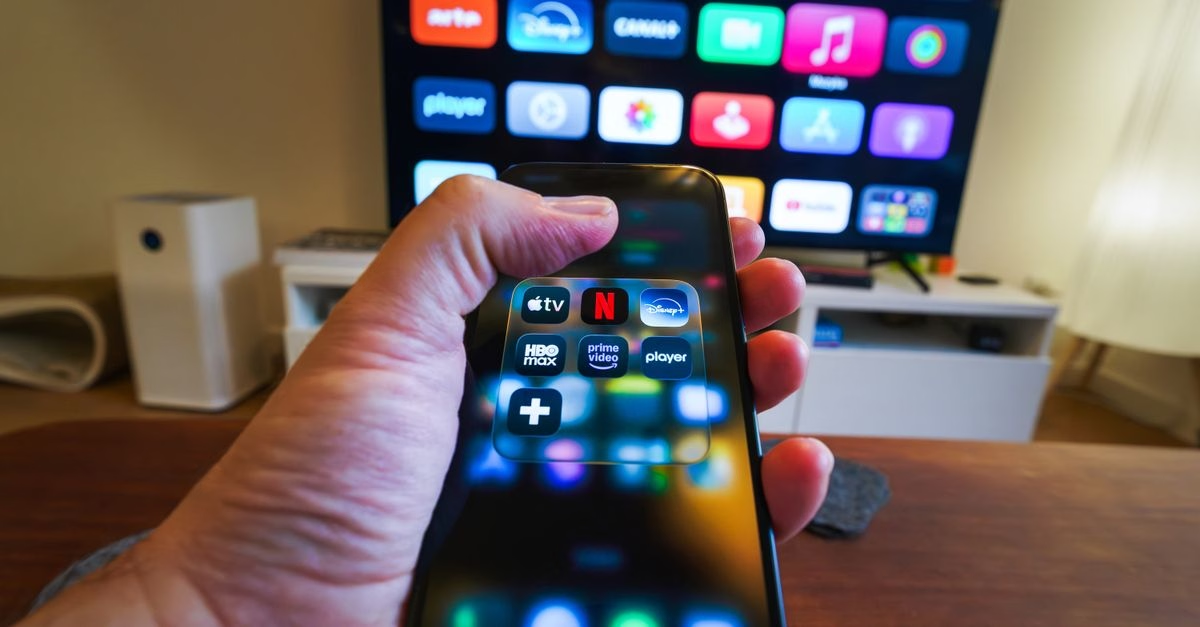
Restoring TrueHD Support
For years, the Apple TV 4K has been a capable streaming hub, but it hit a hard wall with high-fidelity audio formats. Specifically, the device lacked native support for lossless Dolby Atmos encoded in TrueHD, the standard used on physical Blu-ray discs. That limitation meant audiophiles had to rely on other devices or accept compressed audio streams.
A recent development changes that equation. The release of Native Player 2.0 introduces a software-based solution that unlocks these missing capabilities. According to reports from BGR and corroborated by technical coverage from ChooseTV and Ecoustics, the updated app enables playback of lossless Dolby Atmos in TrueHD format. It also supports DTS audio tracks.
The key technical achievement here is the preservation of height channels. In object-based surround sound like Atmos, height channels are critical for creating the immersive “overhead” effect. Previous workarounds often downmixed these signals, flattening the soundstage. Native Player 2.0 appears to maintain the full spatial integrity of the original mix, allowing the Apple TV 4K to finally deliver the same audio experience as dedicated Blu-ray players for local files.
Closing the Gap for Local Media Fans
This update matters because it removes a significant friction point for people who manage their own media libraries. Many home theatre enthusiasts rip their Blu-ray collections to digital files to save space and improve accessibility. Until now, playing those ripped files on an Apple TV meant sacrificing audio quality. You either had to transcode the audio to a supported format, which loses data, or use a separate hardware player, which clutters your setup.

By supporting TrueHD and DTS directly, Native Player 2.0 turns the Apple TV into a more versatile all-in-one device. It bridges the gap between convenient streaming services and high-resolution local playback. For Canadian consumers, who often have limited access to certain high-bitrate streaming tiers compared to US markets, having robust local file support adds tangible value to the hardware they already own.
It is worth noting that this is an app-based solution, not a firmware update from Apple. This distinction affects reliability and integration. While the app provides the necessary decoding, it may not offer the same seamless user experience as native system-level support. However, for the specific goal of hearing uncompressed Atmos effects, it delivers a functional path forward that previously required expensive alternative hardware.
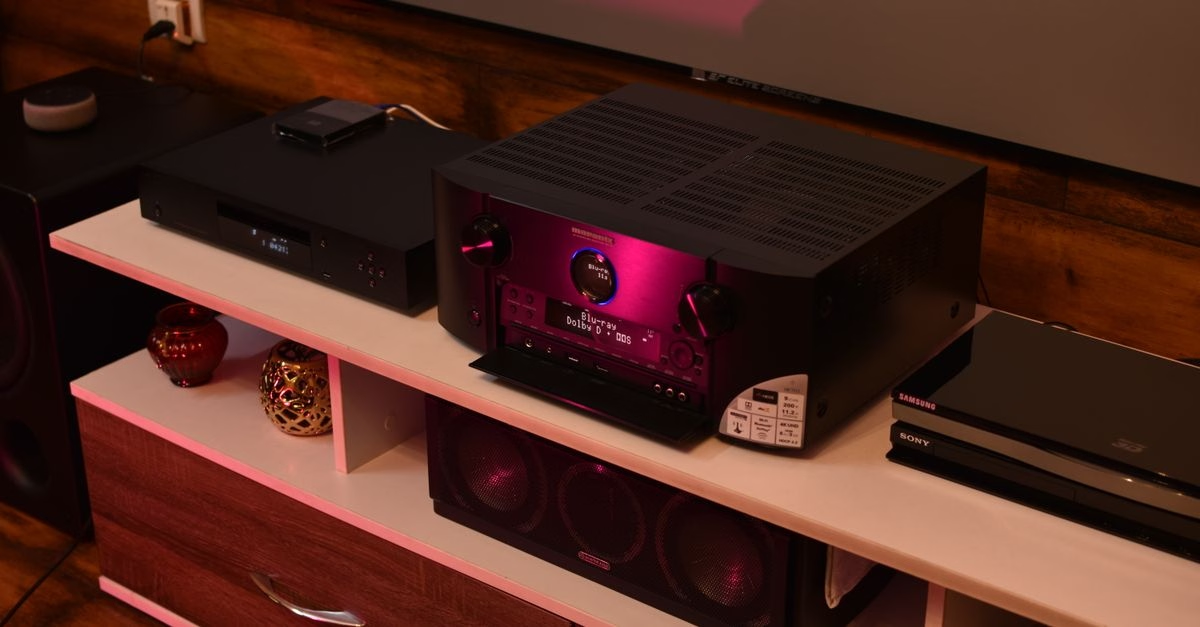
What Remains Unclear
While Native Player 2.0 solves the immediate compatibility issue, questions remain about its long-term viability and ease of use. Since this relies on third-party software rather than official Apple integration, future iOS or tvOS updates could potentially break functionality if Apple tightens security restrictions around audio decoding paths.
Additionally, the source material does not specify pricing for the app or detailed performance metrics regarding CPU usage during playback. Users considering this upgrade should weigh the convenience of a single device against the potential instability of relying on unofficial workarounds for core features. For now, it stands as a promising tool for those willing to tinker, offering a clearer picture of what the Apple TV 4K can actually do when pushed beyond its default boundaries.