Decade of Games Celebrated with Special Awards
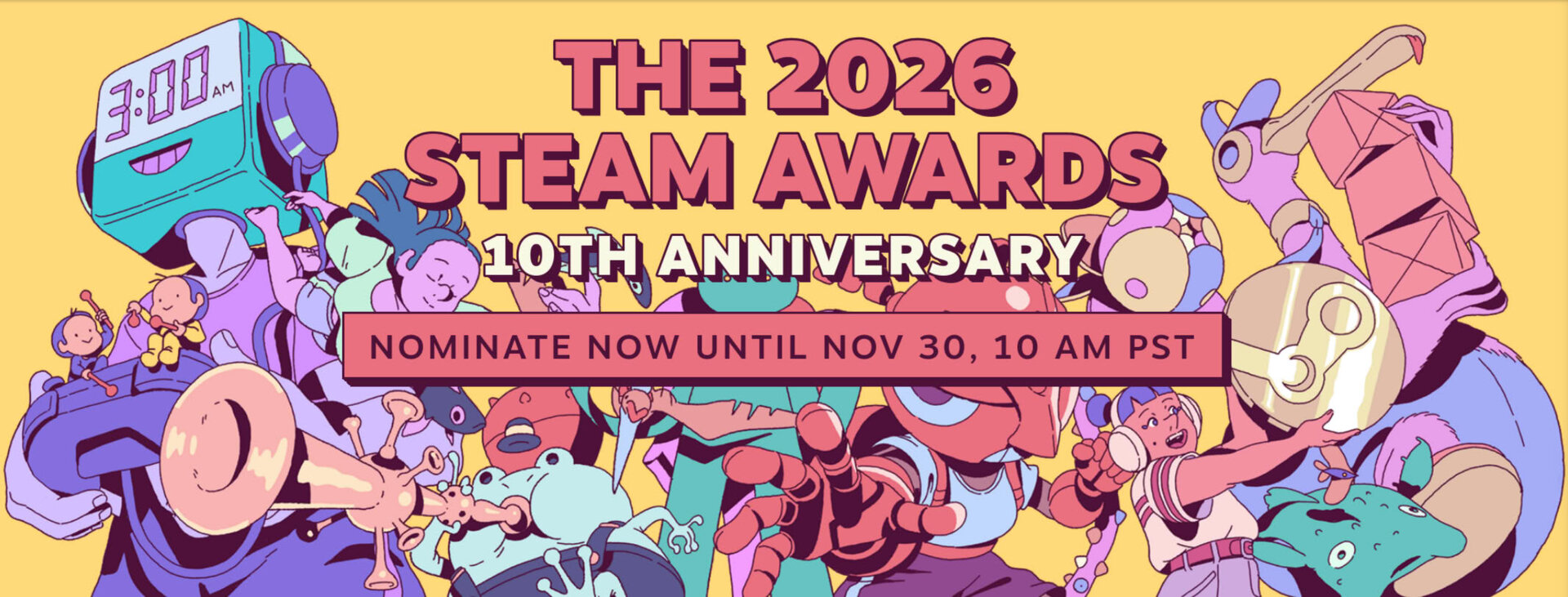
Valve officially opened nominations for the 10th Anniversary Steam Awards, marking a significant milestone for the platform’s community-driven recognition system. This year’s edition introduces a special Hall of Fame category, allowing players to nominate previous Game of the Year winners as the best game of the last decade.
The eligible list for this retrospective honor includes heavy hitters like Grand Theft Auto V, The Witcher III, PUBG: Battlegrounds, Sekiro: Shadows Die Twice, Red Dead Redemption, Resident Evil Village, Elden Ring, Baldur’s Gate III, Black Myth Wukong, and Hollow Knight: Silksong. Alongside this nostalgic addition, Valve has expanded the standard lineup with three entirely new categories designed to capture specific gaming experiences that traditional awards often overlook.
New Categories and Nomination Process
The nomination process follows the usual Steam pattern but now encompasses 14 distinct categories. While the core awards remain familiar—such as Game of the Year, VR Game of the Year, Labor of Love, Best Handheld Game, Better with Friends, Outstanding Visual Style, Best Soundtrack, Best Game You Suck At, Outstanding Story-Rich, and Sit Back and Relax—the new additions target niche player behaviors.
These newcomers include:

- This Is My Job Now: For real-world job simulators that replicate professional tasks.
- Defies Description: For games that mix genres and mechanics so thoroughly they no longer fit into one specific category.
- Just Five More Minutes: For titles known for their addictive “one more level” loop.
Nominations are open until Monday, November 30, at 12:00 PM CT (10 a.m. Pacific). After this period, the top nominees will advance to final voting, which begins on December 17.
Reflecting Evolving Player Habits
The introduction of these specific categories signals Valve’s attempt to align its awards with modern gaming trends rather than sticking strictly to traditional critical metrics. By creating an award for “Defies Description,” the platform acknowledges that hybrid genres have become mainstream, making rigid categorization less useful for discovery.
Similarly, the “Just Five More Minutes” award validates the importance of engagement loops in game design, recognizing titles that prioritize addictive progression over narrative or graphical fidelity. For developers, these categories offer new avenues for visibility; a game might not win “Game of the Year” but could gain significant traction by winning a niche award that resonates with a specific audience segment.
How to Participate and What to Expect
For users, participating requires logging into Steam and navigating to the awards section before the November 30 deadline. The Hall of Fame category is particularly noteworthy because it pits iconic titles against each other, potentially influencing long-term sales and visibility for older games that might otherwise be forgotten.
Players should consider which games defined their personal experience over the last ten years when casting their Hall of Fame vote. Unlike annual awards, which focus on recent releases, this category encourages reflection on lasting impact. Additionally, the new categories provide a chance to highlight indie darlings or simulation games that rarely compete for major accolades, diversifying the spotlight across the Steam ecosystem.
Subjectivity and Community Bias
As with all user-voted awards, the results reflect community sentiment rather than objective quality. Popular titles with large active player bases may dominate the Hall of Fame category simply due to name recognition, potentially overshadowing critically acclaimed but less commercially successful games.
Furthermore, the definition of “real-world job simulator” or “defies description” remains subjective. Players may interpret these criteria differently, leading to inconsistent nominations. There is also no guarantee that every eligible game from the past decade is included in the Hall of Fame list, meaning some influential titles might be excluded based on Valve’s internal selection criteria for eligibility.
A Milestone for Community Recognition
The 10th Anniversary Steam Awards represent a shift toward more nuanced recognition of gaming experiences. By adding categories that address addiction, genre-blending, and professional simulation, Valve is adapting its awards to better reflect how people actually play today.
With nominations closing soon, players have a limited window to shape the conversation around the decade’s best games. Whether you’re voting for a classic RPG or a niche simulator, your input helps define what the Steam community values most in its digital library.
One practical detail worth noting is the specific timing of these phases. Nominations close on Monday, November 30 at 12:00 PM CT (10 a.m. Pacific), leaving a short window for players to submit their choices. Final voting then begins on December 17, creating a gap between nomination and selection periods. This structure means your initial vote only determines who makes the shortlist; it does not directly decide the winner.
The Hall of Fame category specifically asks you to pick from past Game of the Year winners, including titles like Elden Ring, Baldur’s Gate III, and Hollow Knight: Silksong. Since these games have already been recognized in previous years, this award focuses on longevity and lasting impact rather than immediate release hype. It’s a chance to reconsider which of those older hits still holds up best against modern standards.
For the new categories, the criteria are intentionally broad. “This Is My Job Now” targets simulation games that mimic professional tasks, while “Defies Description” covers hybrids that blur genre lines. “Just Five More Minutes” highlights engagement loops. Because these definitions rely on player interpretation, nominations may vary widely depending on how individuals categorize their own play experiences. There’s no strict technical threshold for what qualifies as a job simulator or a genre-blender, so community consensus will shape the final nominees.