Software Boom Meets Hardware Slump
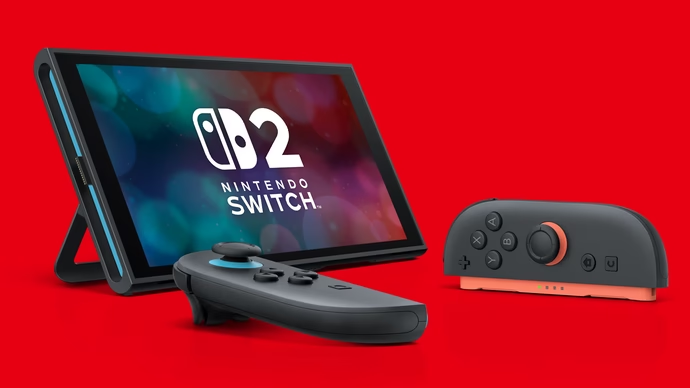
Nintendo’s latest financial earnings report reveals a sharp contrast between software performance and hardware adoption. While overall software sales remain healthy, driven largely by the enormous popularity of Tomodachi Life: Living the Dream, Switch 2 hardware sales have suffered a significant decline.
The data indicates that consumer interest in specific titles is outpacing the rate at which players are purchasing the new console itself. This divergence suggests that existing owners are buying more games, but fewer new users are entering the ecosystem through hardware purchases.
The Divergence Between Content and Console Adoption
This split tells us something critical about the current state of Nintendo’s market position. The launch of Tomodachi Life: Living the Dream was exceptionally strong in Japan, selling 565,405 copies in a single week. To put that in perspective, it outsold the second-best game by more than fifteen times.
However, high attach rates among existing owners do not automatically translate to sustained hardware growth. If new console sales are dropping, it implies that the library’s appeal isn’t yet compelling enough to drive upgrades from Switch 1 users or attract entirely new demographics to buy the Switch 2.

For investors and analysts, this raises questions about the long-term viability of the hardware cycle. Strong software can mask weak hardware trends temporarily, but consoles rely on a growing base of active devices to maintain their ecosystem health. A decline in hardware units sold, even amidst software peaks, signals potential saturation or hesitation among prospective buyers.
Questions Remain on Hardware Momentum
The immediate takeaway is that content quality alone hasn’t solved the hardware adoption puzzle. While Tomodachi Life proves Nintendo can still generate massive demand for its first-party titles, the drop in Switch 2 sales warrants close attention.
We don’t yet know if this decline is a temporary post-launch dip or a structural shift in consumer behavior. Future earnings reports will need to clarify whether the hardware slump persists as the holiday season approaches, or if the software surge eventually pulls more players onto the new platform.