The Second October Launch Takes Shape
Apple is preparing for a significant hardware rollout later this month, with Bloomberg’s Mark Gurman identifying Tuesday, October 27, as the likely date for its second major event. This announcement follows the company’s confirmation of an earlier October 13 gathering, which is expected to focus primarily on smart home accessories.
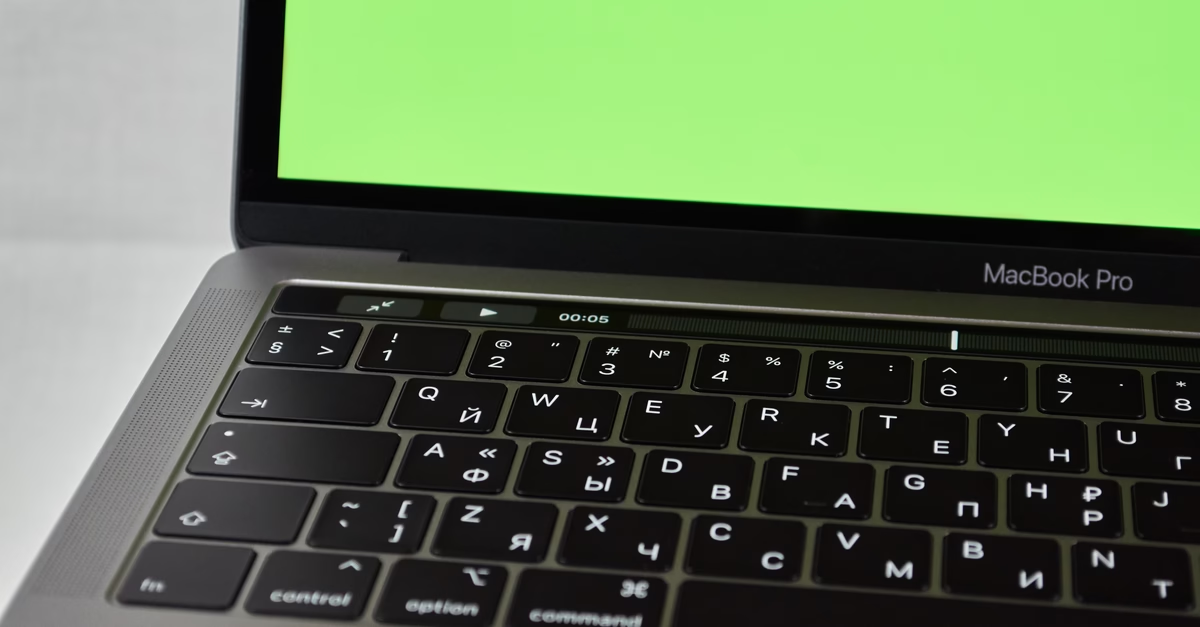
According to sources familiar with Apple’s internal planning, the October 27 showcase will be a heavyweight affair. The headline feature is reportedly the debut of a touchscreen MacBook, a product category that has been the subject of persistent rumors for years but never materialized under Steve Jobs’ strict design philosophy. Alongside this potential paradigm shift in laptop input, the event is expected to introduce an OLED iPad mini, addressing a longstanding gap in Apple’s tablet lineup where the smallest model has lagged behind in display technology compared to its larger siblings.
Additionally, Gurman notes that the company will unveil new 14-inch MacBook Pro and iMac models powered by the next-generation M6 chip. While specific performance metrics or pricing details remain unconfirmed, the inclusion of these devices suggests Apple is refreshing its professional and consumer desktop lines simultaneously with the introduction of the new silicon architecture.
Why the Touchscreen Shift Changes the Laptop Landscape
For Canadian consumers and professionals, the potential arrival of a touchscreen MacBook represents more than just a new feature; it signals a fundamental change in how Apple interacts with its most powerful computing devices. Historically, Apple has resisted touch interfaces on laptops, citing precision and workflow efficiency concerns. If the October 27 event delivers on this rumor, it could force a reevaluation of laptop usability standards across the industry.

The integration of the M6 chip into both the MacBook Pro and iMac also carries weight for users who rely on local processing power. As software demands grow, particularly with AI-driven tools becoming standard in creative suites, the transition to M6 may offer tangible benefits in battery life and thermal management for mobile professionals. Meanwhile, the OLED iPad mini could finally provide a premium viewing experience for readers and artists who prefer portable form factors, closing the gap between Apple’s entry-level and pro-tier tablets.
However, skepticism remains high among tech enthusiasts who remember past failed attempts at hybrid devices. The success of this strategy will depend heavily on execution—specifically, whether the touch interface enhances productivity or merely adds complexity to a traditionally keyboard-centric workflow. Until hands-on reviews are available, the practical value of these updates remains theoretical.

Rollout Questions and Pending Details
As the October 27 date approaches, several critical details remain unknown. Apple has not officially confirmed the existence of a touchscreen MacBook, nor have specifications for the M6 chip’s capabilities been released. Pricing strategies for the OLED iPad mini and the updated iMac models are also yet to be disclosed.
For now, the report stands as a strong indication of Apple’s upcoming roadmap, driven by credible insider sourcing. Consumers should monitor official Apple channels closer to the end of the month for definitive announcements. Until then, the tech community awaits clarification on whether this event will deliver a revolutionary new form factor or simply refine existing categories with incremental upgrades.