The Scale of Workforce Reductions at Supermassive
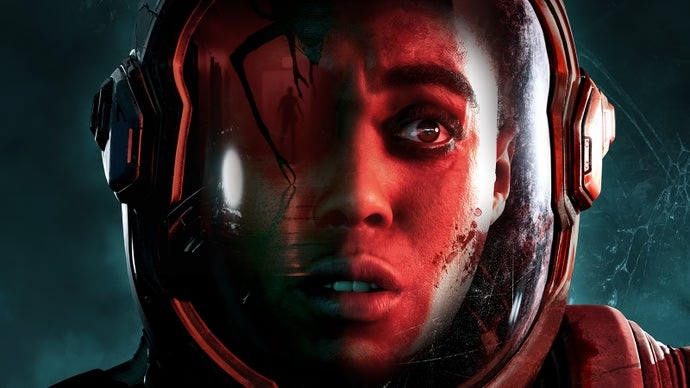
Supermassive Games has officially confirmed that up to 75 employees are facing redundancy. This announcement signals a significant contraction in the studio’s operations, which is best known for its narrative-driven horror titles such as the original Until Dawn and its more recent release, Directive 8020.
According to multiple reports from outlets including Eurogamer, Rock Paper Shotgun, and TechRaptor, these job losses represent the third round of layoffs the company has undergone in a relatively short timeframe. The timing of the announcement appears closely linked to the commercial performance and post-launch support cycle of Directive 8020, an interactive drama title that launched earlier this year.
While the exact number of affected individuals may vary slightly between reports—with some sources citing “over 70” and others using the official figure of “up to 75″—the consensus is clear: a substantial portion of the development team has been let go. The studio has not yet provided detailed reasons for the specific timing or the strategic rationale behind these cuts beyond the standard corporate language regarding restructuring.
Strategic Shifts and Industry Pressure on Narrative Studios
For fans and industry observers, this news highlights the precarious financial position many mid-sized narrative studios currently occupy. Supermassive Games built its reputation on high-budget, cinematic experiences that require sustained development cycles and significant marketing investment. When a title like Directive 8020 fails to meet aggressive revenue targets, the immediate response often involves rapid cost-cutting measures, including workforce reduction.

This third wave of layoffs suggests that the studio is under intense pressure to streamline its operations. It raises questions about the viability of their current business model, particularly if they continue to rely on episodic or single-release narrative games without broader franchise success. For Canadian gamers and international fans alike, this could mean delays or cancellations of upcoming projects that were previously in development.
Furthermore, this event reflects a broader trend in the gaming industry where companies are consolidating resources after periods of expansion. The loss of 75 developers is not just a statistic; it represents a significant drain of institutional knowledge and creative talent that took years to build. The impact on remaining staff morale and the ability to deliver on future promises remains a critical concern.
Uncertainty Surrounds Future Projects and Studio Stability
As Supermassive Games moves forward, the primary question for consumers is what this means for their backlog of anticipated titles. With nearly a quarter of its workforce potentially gone, the studio’s capacity to produce new content is severely limited. There is currently no official confirmation regarding which projects are being cancelled or delayed, leaving players in a state of uncertainty.
We do not yet know how the remaining team will be restructured or whether Supermassive Games will pivot to different genres or smaller-scale productions to survive. Until further details are released by the company, speculation about future releases should be treated with caution. For now, the focus remains on understanding the immediate impact of these cuts on the studio’s operational health and its ability to sustain long-term development pipelines.