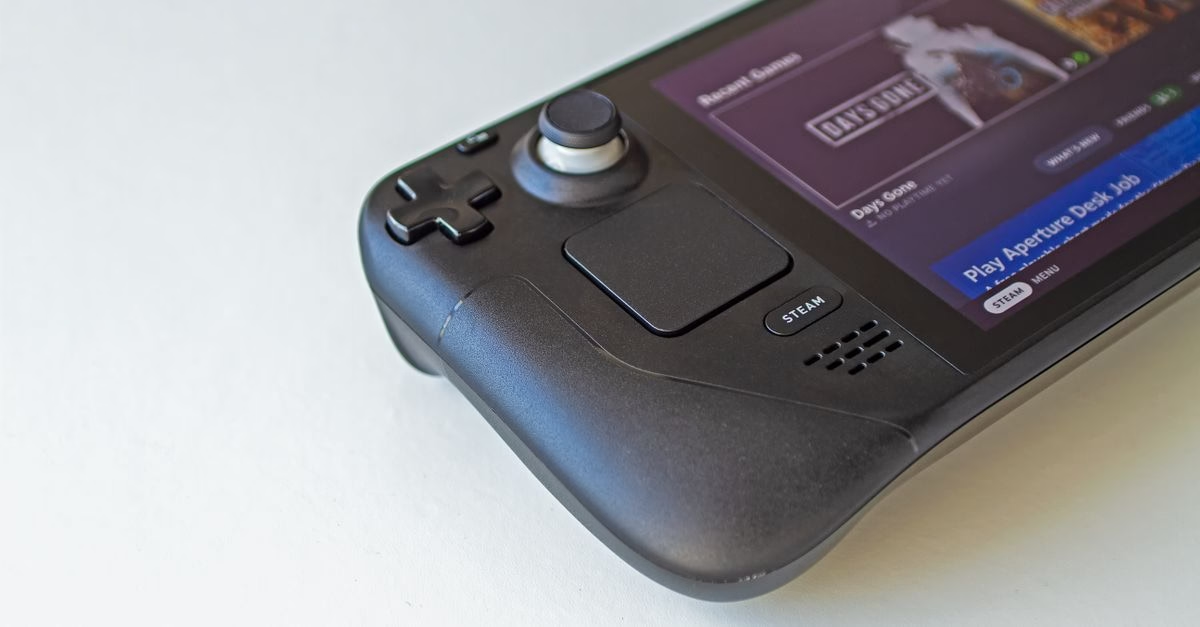
The Driver Leak That Started the Rumour Mill
AnandTech forum user SixPie recently spotted a previously unknown AMD codename, “Gainsborough,” embedded within the Adrenalin 26.9.2 driver software. This discovery has immediately drawn attention because of its potential connection to Valve’s next-generation handheld console. Import and export records further fuel this theory, showing test equipment carrying the “Gainsborough” name being shipped to Asia multiple times in late July. These shipments utilized an FF6 BGA package featuring 1,179 contacts, a specific hardware configuration that suggests a custom-designed component rather than a standard retail part.
Notably, AMD’s broader partner network reportedly has no information regarding these Medusa APUs, which supports the idea that this is a highly restricted, custom project likely tied to a single major client like Valve.
Decoding Valve's Naming Convention and Market Impact
The primary reason this codename matters is its alignment with Valve’s established naming tradition. Previous Steam Deck chips have used names from Final Fantasy VII, such as Aerith and Sephiroth. As leaker Kepler_L2 pointed out, Gainsborough is Aerith’s surname, creating a direct linguistic link between the driver leak and Valve’s hardware lineage. If confirmed, this would indicate that Valve is actively developing or testing the silicon for its successor device.
However, readers should exercise caution before assuming definitive outcomes. Leakers have also tied similar FF6 packages to AMD’s upcoming Ryzen Z3 handheld chips, introducing conflicting information about the actual end customer. Furthermore, unverified claims from sources like Moore’s Law Is Dead suggest the chip may be built on TSMC N3P with Zen 6 and RDNA 5 architectures, possibly arriving in late 2027 or 2028.

These technical specifics are not confirmed and should be treated as speculative context rather than fact.
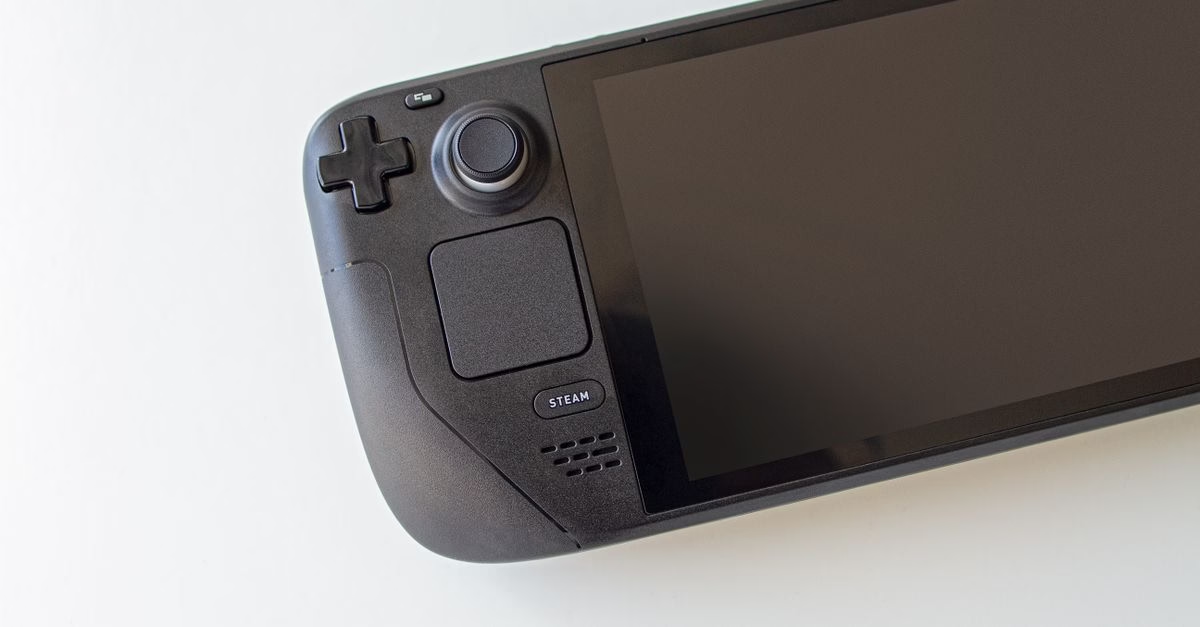
What Canadian Gamers Can Expect Next
While the presence of “Gainsborough” in official AMD drivers is a strong indicator of a custom APU in development, precise details about performance, pricing, and availability remain entirely unknown. The conflicting reports regarding whether this chip is destined for the Steam Deck 2 or the Ryzen Z3 series highlight the current uncertainty in the supply chain. For now, the discovery serves as a valuable data point for enthusiasts tracking the evolution of handheld gaming hardware. Until Valve or AMD provides official confirmation, all architectural claims and release windows should be viewed as preliminary. The industry will likely need to wait for more concrete hardware reveals or driver updates to distinguish between confirmed developments and rumour mill noise.