A forgotten piece of tech history returns to the spotlight
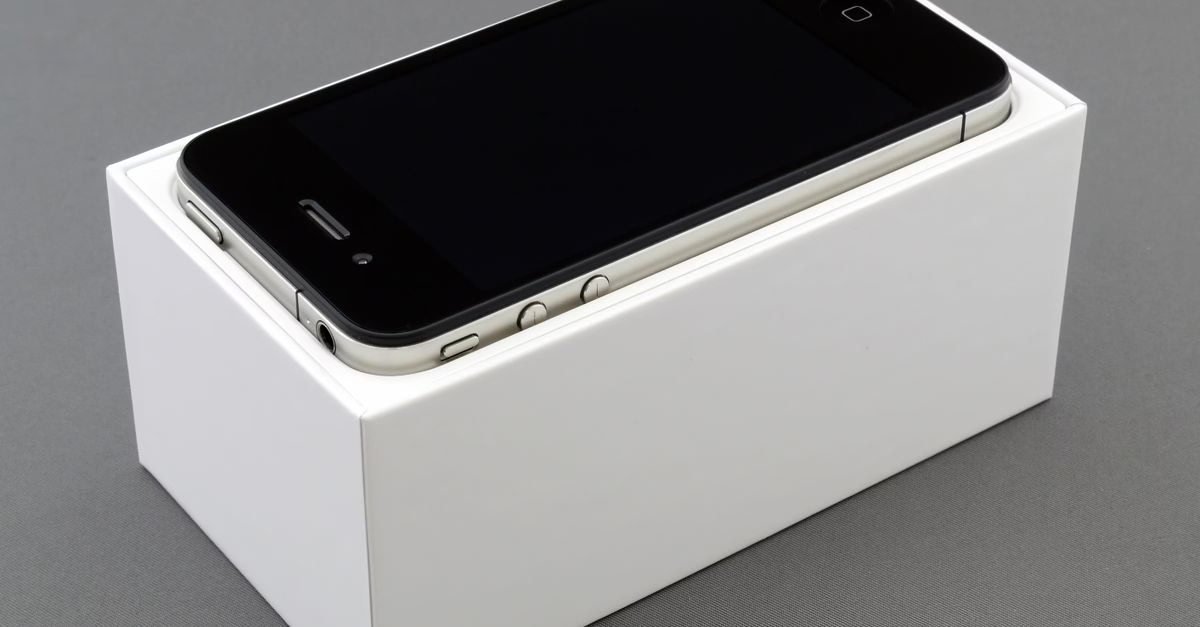
The focus here is Antennagate Q&A video. Sixteen years after the fact, a specific piece of Apple corporate history has found its way back into the public consciousness. A recording of a 47-minute question and answer session held by Apple in 2010 has recently emerged online. This video addresses the widespread signal reception issues that plagued the launch of the iPhone 4, an event widely known as Antennagate.
The resurgence of this footage serves as a stark reminder of how quickly technology timelines move. For many current smartphone users, the iPhone 4 era feels like ancient history. Yet, the details of how Apple managed this crisis remain relevant to understanding corporate communication strategies during hardware failures. The video captures the tone and technical explanations offered at the height of the controversy.
Inside the 47-minute executive briefing session
The newly surfaced video is not a polished marketing advertisement but rather a direct engagement with the press and public concerns. It runs for 47 minutes, providing a substantial window into Apple’s internal reasoning at the time. Executives fielded questions regarding the structural design of the iPhone 4 and its impact on cellular connectivity. This format allowed for more nuanced answers than typical press releases could provide.
During the session, Apple addressed accusations that the phone had a faulty antenna design. The company explained the technical aspects of signal loss when the device was held in certain ways. By laying out the engineering logic directly, Apple attempted to demystify the issue for consumers. The video stands as a primary source document for anyone studying the technical specifics of the original complaint.

Revisiting a defining moment in consumer electronics
Antennagate was more than just a technical glitch; it was a major test of Apple’s brand loyalty and crisis management capabilities. The iPhone 4 was a highly anticipated device, and its signal issues threatened to undermine its success. How the company responded set a precedent for how tech giants handle hardware defects in the social media age. The emergence of this video allows us to re-evaluate that response with the benefit of hindsight.
For industry observers, the footage highlights the shift in consumer expectations over the last decade and a half. Today, immediate transparency is often demanded, whereas in 2010, controlled briefings were the norm. Watching the executives navigate tough questions reveals the pressure they faced. It also shows the early stages of a dialogue between manufacturers and users that has only intensified since then.
Lessons for modern hardware design and support
While the iPhone 4 is long obsolete, the principles discussed in the Q&A remain applicable to modern device design. Engineers still grapple with the trade-offs between sleek aesthetics and robust antenna performance. The Antennagate incident forced the entire industry to pay closer attention to how hand placement affects signal strength. Modern phones often incorporate multiple antenna bands to mitigate such risks, a lesson learned partly from this episode.
For consumers, understanding this history helps contextualize current device limitations. No smartphone is immune to physical interference, though improvements have been made. The video serves as an educational tool for those interested in the evolution of mobile technology. It reminds us that even the most successful products face significant growing pains during their initial rollout phases.
Contextual gaps in the resurfaced footage
It is important to note that this video represents only one side of the story. It reflects Apple’s perspective during a specific window in time. While it provides clarity on their official stance, it does not necessarily capture the full extent of user frustration experienced on the ground. Independent tests and third-party analyses from 2010 offered conflicting data that the briefing may not have fully addressed.
Additionally, the video quality and audio fidelity may not meet modern standards, given its age. Viewers should approach the technical explanations with an understanding of the technological context of 2010. Network conditions and carrier infrastructure have changed significantly since then, making some of the specific signal metrics less relevant today. The footage is a historical artifact rather than a current troubleshooting guide.
The enduring legacy of the iPhone 4 signal debate
The reappearance of the Antennagate Q&A video offers a fascinating glimpse into a pivotal moment for Apple. It underscores the importance of transparent communication when facing product flaws. While the iPhone 4 eventually became a beloved device, its launch was marred by this significant controversy. The video ensures that this chapter of tech history remains accessible for future analysis.
As we look at current smartphone innovations, remembering past struggles like Antennagate provides valuable perspective. It highlights the iterative nature of technological progress. Each generation of devices builds upon the lessons of the previous ones. For fans of Apple history or students of public relations, this rediscovered footage is a must-watch resource that adds depth to our understanding of the brand’s evolution.