Apple unveils intimate performance space in historic London landmark
Apple has made an unexpected move into physical hospitality by opening a dedicated live music venue in London. Called the Apple Music Hall, this new space seats approximately 600 people and is situated within the Battersea Power Station. While the location is widely recognized as a shopping mall today, the venue leverages the site’s industrial heritage to create a distinct atmosphere for musical performances.
This launch marks a significant expansion of Apple’s physical footprint beyond retail stores and corporate offices. By establishing a permanent venue for live events, the company creates a direct bridge between its digital streaming service and real-world artistic expression. The announcement confirms that the hall is now operational, offering a platform for artists to connect with fans in a controlled, high-quality environment.
Integrated technology enables seamless Spatial Audio capture
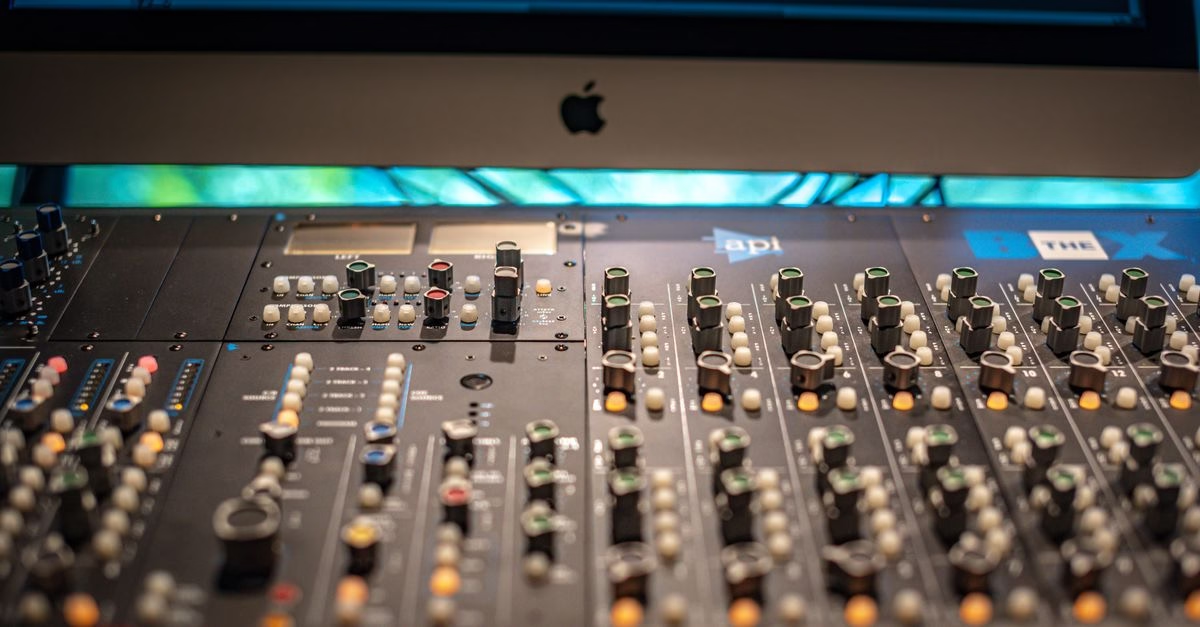
The core functionality of the Apple Music Hall extends beyond simple stage hosting. It is designed as a fully integrated production facility. Artists performing at the venue can record their shows directly in Spatial Audio, a format that Apple has heavily promoted within its Apple Music streaming ecosystem. This allows for an immersive listening experience that mimics the depth and directionality of a live concert.
In addition to audio capture, the venue supports the creation of broadcast-ready mixes and multi-camera video recording. This infrastructure means that a single performance can serve multiple purposes: a live event for the attending audience, a high-fidelity audio release for streaming subscribers, and a visual product for digital distribution. The technical setup is built into the venue, removing the need for artists to bring extensive external production crews for basic capture needs.


Strategic alignment with Apple Music's premium positioning
This venture matters because it reinforces Apple’s commitment to high-fidelity audio as a key differentiator in the streaming wars. By controlling the capture environment, Apple ensures that the Spatial Audio content available on its platform meets specific technical standards. It transforms the venue from a mere performance space into a content generation hub that feeds directly into the company’s services.
For the music industry, this represents a shift in how live recordings are produced. Instead of relying on post-production enhancements or separate studio sessions, artists can capture authentic live energy with studio-grade spatial fidelity. This approach could influence how other tech companies view physical venues, potentially leading to more integrated spaces that prioritize digital asset creation alongside ticket sales.
Design details blend heritage aesthetics with modern utility
The physical design of the Apple Music Hall respects the historical significance of the Battersea Power Station. According to Apple, the interior features heritage brickwork and fluted arches that echo the building’s original industrial character. Bronze balconies have been installed to resemble the historic oriel windows found elsewhere in the structure, creating a visual continuity between the new venue and the existing architecture.
A giant glass facade is also part of the design, likely intended to provide visibility and natural light while maintaining acoustic isolation when necessary. For visitors and attendees, this means the experience is not just about the sound but also the ambiance. The combination of historic materials with modern acoustic engineering aims to create a unique sensory environment that distinguishes it from standard concert halls or clubs.
Capacity constraints and accessibility questions remain
With a capacity of only 600 seats, the Apple Music Hall is inherently exclusive. This limited size means that demand for tickets will likely far exceed supply, potentially making access difficult for the average fan. While intimacy is a selling point, it also restricts the scale of artists who can effectively utilize the space without compromising the audience experience.
Furthermore, the source material does not provide details on ticket pricing, booking procedures for independent artists, or public access schedules. It is unclear whether the venue is open for private rentals or if it is strictly reserved for Apple-curated events. Without this information, the broader impact on the local London music scene remains uncertain. The focus appears to be on high-profile productions rather than community grassroots support.
A bold step into physical cultural infrastructure
Apple’s opening of the Apple Music Hall demonstrates a willingness to invest in physical cultural infrastructure that supports its digital services. By combining a historic London landmark with cutting-edge audio recording technology, the company has created a unique asset. It serves as both a performance venue and a production studio, blurring the lines between live entertainment and content creation.
While the exclusivity of the 600-seat capacity may limit immediate widespread impact, the technological precedent is significant. If successful, this model could encourage further integration of high-fidelity capture tools in live venues globally. For now, it stands as a testament to Apple’s strategy of enhancing its ecosystem through tangible, high-quality experiences.